
As the winter frost fades and warmer days arrive, many homeowners begin to consider their air conditioning needs. This is a common time to think about staying cool. It is also the perfect time to ask, “Why Choose a Heat Pump For Spring?”
You may assume a heat pump system is solely for heating. However, a correctly sized pump system offers much more. It provides potential savings as temperatures fluctuate, making it a smart choice for homeowners.
The Versatility of Heat Pumps in Spring
Heat pumps work by transferring heat instead of creating it. In cooling mode, a heat pump absorbs heat from inside your home and releases it outside. When it gets colder, the process reverses, pulling heat from the outdoor air (even when it’s chilly) and moving it inside.
This dual-function system offers both heating and cooling. It easily adapts to changing temperatures. This provides steady, even comfort regardless of the weather outside.
Beyond Just Heating and Cooling
Spring often brings concerns about home comfort beyond just temperature. Consider the rainy days as the environment comes back to life.
Heat pumps don’t only control temperature; they manage humidity too. They boast impressive dehumidifying capabilities, often surpassing traditional air conditioners. A mini-split heat pump can provide even more direct cooling.
Air Quality Advantages
Spring is famous for beautiful blossoms, but this can be a problem for those with allergies. A central HVAC system might circulate dust and microbes throughout a building. Dirty ducts could aggravate existing health problems for people inside.
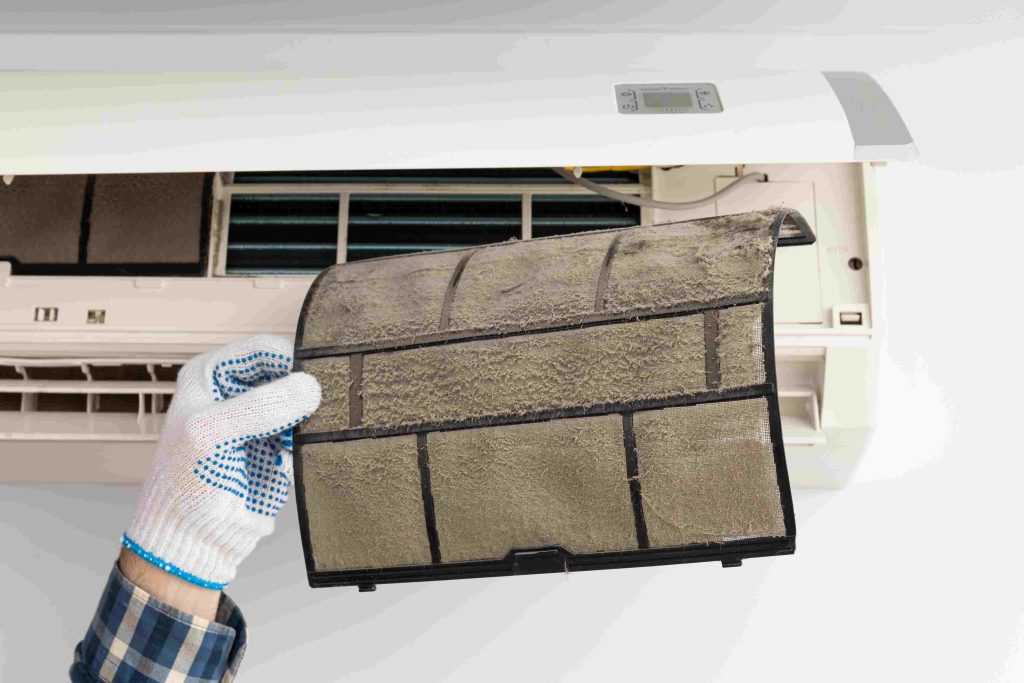
Heat pump systems, including ductless heat pumps, are designed to distribute warmth while minimizing some air quality issues associated with other heating methods. Many utilize sheet metal tubing, which helps to filter out allergens and offer relief. Indoor air quality becomes easier to control when using these types of hvac systems.
Why Choose a Heat Pump For Spring? Cost Benefits
Heat pumps can reduce expenses in various situations. The potential for savings depends on your alternative heating options. Switching to a pump can result in lower bills for many homeowners. The use of programmable thermostats can help lower your overall energy costs.
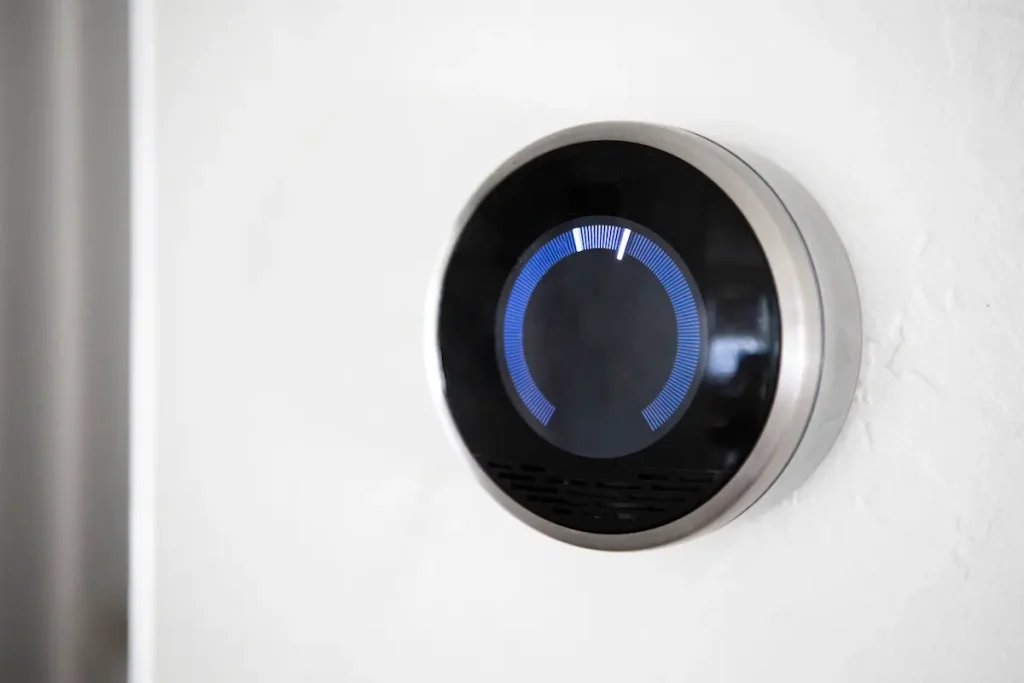
Because heat pumps use electricity for both cooling and heating, they offer the greatest benefits in areas with fluctuating weather.
Modern air-source heat pumps can cut electricity use for heating by approximately 75% compared to systems using electric resistance heat, like baseboard heaters and standard furnaces. The ability to transfer heat instead of having to burn fuel helps to save resources and save money.
Spring Installation Advantages
The milder spring temperatures often lead to smoother installations for many contractors. If your system includes ground source components, digging may be easier compared to the hotter, drier months. Contractors typically face fewer supply disruptions and lower customer demand during milder weather, making heat pump installation go smoother.
Installing heat pump systems now gives you a jump start before summer hits. You’ll be prepared for those initial stretches of very warm weather. Scheduling convenience becomes much easier when the weather isn’t extreme.
Heat Pump Incentives
Choosing heat pump installation also presents an opportunity to benefit from tax advantages and state-sponsored energy credits. As part of the IRA initiative, some states are launching their own Home Energy Rebates programs starting in late 2024. Depending on your income compared to the median in your area, you could be eligible for substantial rebates.
Explore the ENERGY STAR® Rebate Finder to discover available options in your state. For updates on federal and state incentives near you, consult this Department of Energy (DOE) tracking website. This will help show how energy-efficient options are rewarded.
Maximizing Efficiency: Ductwork’s Role
In larger, multi-story homes, pairing a heat pump with well-designed ductwork provides improved control. Ductwork enables precise airflow management, particularly in homes or buildings with three or more bedrooms. Using a ductless mini-split system might make the most sense for smaller homes.
Ductwork ensures consistent temperatures throughout your building. It offers the adaptability to satisfy comfort requirements in each room, regardless of layout or size. Merging the advantages of a heat pump and air ducts results in greater control over indoor conditions.
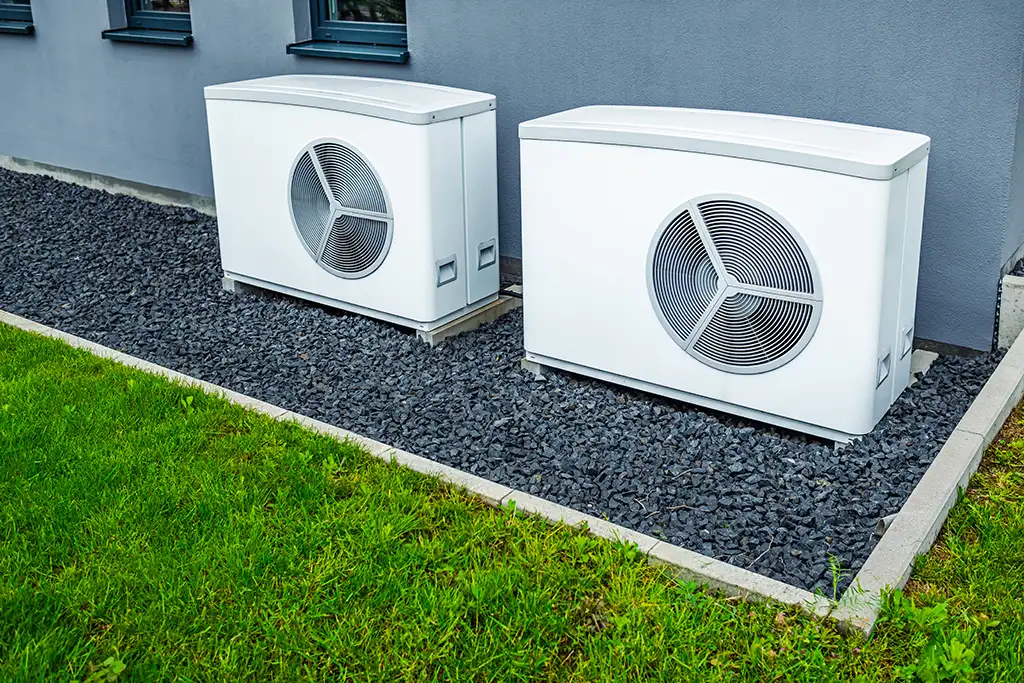
Having properly installed air-to-air heat pumps can greatly affect how comfortable a home is. They offer advantages of an air conditioner and traditional heating during different parts of the year. An outdoor compressor unit works with the indoor air handler to circulate released air.
The Different Kinds of Heat Pumps
If you decide to select and install one of these HVAC units, it’s helpful to understand the available options. You should also evaluate the most suitable choice for your circumstances and comfort preferences. There are three main categories: air-to-air, ductless mini-splits, and geothermal.
Here’s a brief overview, with a handy table comparing key features:
Air-to-Air Heat Pumps: This type is very common and generally affordable in terms of available units and their cost. These models operate using an outdoor compressor that transfers heat between the outside environment and your living space.
Ductless Mini-Splits: If your home doesn’t have ductwork, this can be a sensible option. You could install it for specific rooms or establish a network across multiple rooms or floors.
Geothermal Heat Pumps: These utilize warmth from underground and distribute it throughout a building. They excel in energy efficiency but involve a higher initial investment and require skilled technicians for proper underground installation.
| Heat Pump Type | Pros | Cons |
|---|---|---|
| Air-to-Air |
|
|
| Ductless Mini-Split |
|
|
| Geothermal |
|
|
Selecting your heat pump demands careful thought, considering climate, home layout, budget, and desired environmental impact. Carefully examining your options can increase your confidence and understanding as you prepare for comfort. An efficient heat pump should work to provide comfortable air no matter if it is doing a reverse cycle to cool or keep your house warm.
For specific home setups, split systems might be the answer. Talk to an HVAC professional for all the biggest benefits when using them in your house. These units are known as being incredibly cost-effective as well.
Maintenance and Longevity
Heat pumps, like any appliance, require regular maintenance. You’ll need a consistent maintenance schedule to keep your investment running smoothly and performing as intended.
Certain award-winning models, such as Trane’s XV20i Variable Speed Heat Pump, received the Good Housekeeping Home Reno Award in 2023 due to their exceptional efficiency, reliable cooling performance, and quiet operation.
Consider adding units with special functions if your outdoor unit will experience extreme conditions. Having these choices and knowing how they pump air will allow owners to keep a house in their desired setting, whether that be from traditional air conditioners or the air-to-air heat coming from the heat pump.
Homeowners can also use things like water heaters, but you’ll typically get the best comfort with these special HVAC systems.
Conclusion
The arrival of milder weather prompts a reevaluation of cooling, but it’s also a surprisingly good time to improve systems that manage your heating as well. You will likely need good heating and cooling during the spring season. The design of a mini-split heat pump focuses on providing a complete package to provide comfort. You get enhancements of both.
Heat pumps provide straightforward solutions for getting ahead, but what if you have some more questions. Addressing these temperature swings with a capable pump setup improves comfort. For any more questions, reach out to a local HVAC professional.
Contact us today for more information or to schedule a free consultation.