Protect Indoor Air Quality
Wildfire smoke affects many, disrupting lives and impacting long-term health. Clean air is critical, and it’s easy to feel helpless against smoke. This guide offers practical steps homeowners can take to stop wildfire smoke and protect their families. Whether it’s a nearby blaze or distant smoke, taking proactive measures ensures your health and peace of mind.
This guide covers what you need to know to stop wildfire smoke. You’ll learn about simple DIY solutions and advanced filtration systems. Taking action helps stop wildfire smoke.
Understanding Wildfire Smoke’s Impact
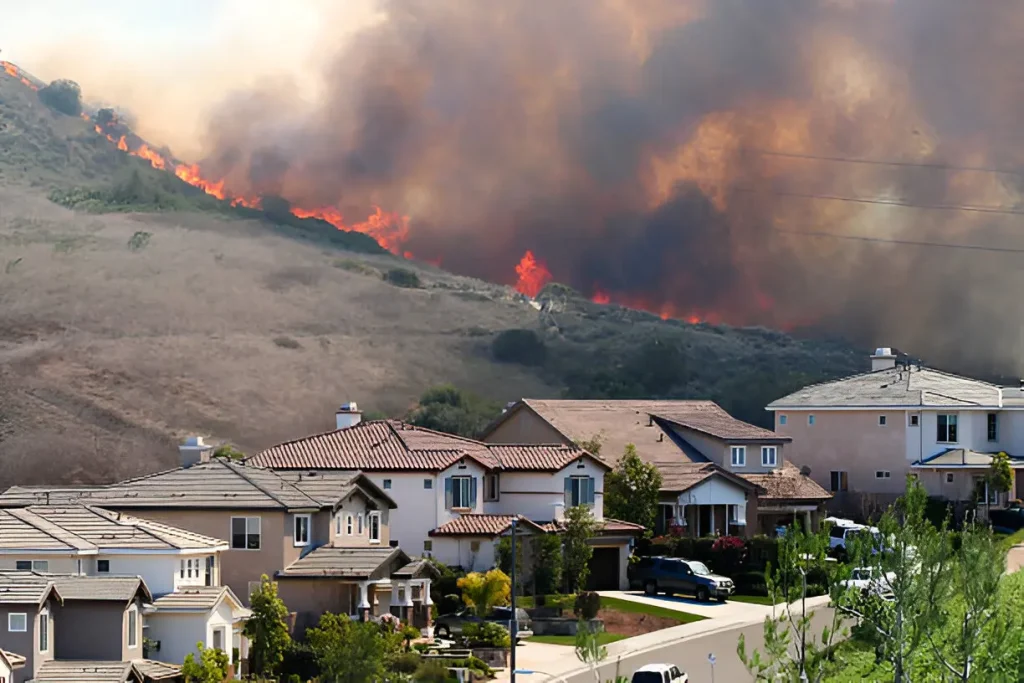
Wildfire smoke contains gases and fine particles. These particles easily enter homes, worsening chronic heart and lung diseases. This can increase the risk of heart attacks.
Repeated exposure to air pollution, like wildfire smoke, raises the risk of chronic respiratory problems. It’s especially dangerous for sensitive groups. These include children, older adults, pregnant women, and those with existing health problems.
Health Risks of Wildfire Smoke
Inhaling wildfire smoke irritates the lungs and airways. This causes coughing, runny nose, and breathing difficulties, along with itchy eyes and headaches. It’s essential to limit exposure to fine particles.
Wildfire smoke is especially harmful to those with lung conditions like asthma. Managing asthma becomes more difficult with airborne particles.
Wildfire smoke worsens pre-existing health issues. These issues include asthma and heart problems. In severe cases, smoke exposure can become life-threatening. If you have pre-existing conditions, consider seeking shelter with air filtration. Discuss emergency preparedness plans with a doctor. Use a wet mop rather than dry dusting, vacuuming, or sweeping to minimize dust.
How to Stop Wildfire Smoke: Practical Steps for Homeowners
Here’s how to stop wildfire smoke from invading your home. Your home should be a safe space. Avoid vigorous physical activity, to limit exposure. Create a plan to stay cool, since air conditioning will likely be running often.
Sealing Your Home
Closing windows and doors is the first line of defense. Seal gaps or cracks around them to prevent smoke from getting inside your home. Even tiny openings can let in smoke. Consider surgical masks if you must venture out, as they offer minimal protection. Ensure they are worn properly over the nose and mouth. Cloth masks do not provide any significant protection.
Simple solutions like weather stripping can stop wildfire smoke. Even towels can block gaps around doors and windows. This significantly reduces indoor smoke.
Optimizing Your HVAC System to Stop Wildfire Smoke
HVAC systems aren’t designed to remove smoke. Taking preventative measures during smoke events can make a big difference. Check your air conditioner filter and replace it if it is clogged to ensure proper airflow. Closing the fresh air intake keeps smoky air out.
A higher MERV rating filter offers better filtration. If possible, use a HEPA filter for the best protection. Ensure that the filter doesn’t restrict airflow.
Protecting your return air from outdoor pollutants is important. Particulate matter and ash particles can easily enter through the return air vent. Follow guidelines from the Indoor Air Filtration Factsheet for more information on air filtration.
DIY Air Filtration for Stopping Wildfire Smoke
DIY air cleaners can be a cost-effective solution to stop wildfire smoke, particularly in emergencies. These cleaners often involve box fans and furnace filters. The California Air Resources Board recommends reliable portable air purifiers.
Check CARB-certified air cleaner listings for certified devices. The EPA suggests DIY filtration only when commercial options are unavailable or unaffordable.
Well-built DIY air cleaners are often as effective as commercial ones at filtering smoke particles. However, proper construction is crucial for effectiveness. Avoid airflow blunders and air intake errors. Verify any fans you use carry a UL or ETL mark for safety and have no damage.
- Basic (single filter): Secure the filter to the box fan with clamps or a bungee cord. Enhance effectiveness by enclosing the fan and filter in a cardboard box, leaving the back open for clean air outflow. This directs airflow, minimizing particle resuspension from surfaces.
- Wedge (double filter): Create a triangular frame to hold two filters. Enclose this setup within a cardboard box or similar shroud for directed airflow.
- Corsi-Rosenthal (4-5 filters): Assemble multiple filters with duct tape, using a cardboard base. Position the open end toward the living space. Watch tutorial videos for creating the Corsi-Rosenthal for guidance.
Portable Air Cleaners
Portable air cleaners with HEPA filters are very effective at removing smoke particles. Choose a cleaner size for your room. Run it frequently and replace filters regularly.
Investing in portable air cleaners for frequently used rooms is a good idea. Use them before air quality warnings are issued to maintain clean air proactively. This prepares you for unhealthy air quality and reduces the impact of wildfire smoke and ash particles.
Creating a Clean Room to Stop Wildfire Smoke
If you can’t eliminate smoke, create a “clean room.” Seal an interior room and add a portable air cleaner with a HEPA filter. This designated safe space is especially important for people with lung diseases and other health problems. Long pants and long-sleeved shirts protect from skin contact with ash.
Staying Informed & Prepared to Stop Wildfire Smoke
Protecting your home and improving indoor air quality during wildfire season isn’t enough. Make preparedness a regular household practice for air quality readiness and home safety. Consult resources such as LAist or NPR for current air quality information, particularly in the LA region. Consult public health authorities to learn how to wear your masks or respirators.
Monitoring Air Quality
Regularly monitor current air quality conditions. Utilize resources for updates. Websites like AirNow and local air district resources offer real-time information. Be aware that you may still smell smoke, even with effective air filtration. Monitor any lung diseases and health conditions closely.
Additional Resources
| Resource | Description |
|---|---|
| Current Air Quality Conditions | Real-time air quality data for your area. |
| District Health Advisories | Official health recommendations and alerts. |
| 72-hour Smoke Prediction Model | Forecasts smoke movement and intensity. |
Additional Resources
Access additional factsheets and information about wildfire smoke events. Those most vulnerable, such as children, pregnant women, and older adults, should take extra precautions. Learn how to reduce your smoke exposure.
Conclusion
Stop wildfire smoke from harming your family and filling your home with smoke. By taking simple, preventative measures you create a healthy indoor environment. Educate yourself and prepare before the wildfire season starts. This protects your household from poor air quality.
Consistent action is crucial for learning how to stop wildfire smoke from getting into your home and causing serious problems for those with lung disease and other health issues. Remember that maintaining healthy indoor air quality takes effort. Taking these steps can give you peace of mind. It also keeps your house healthy during smoky conditions. You deserve a clean, healthy indoor space that you can call your safe space. So act against unhealthy air conditions, whether you must venture out, clean up from smoke events, or improve your air intake. Avoid skin contact by cleaning surfaces with gloves and wearing protective clothing.
Contact us today for more information or to schedule a free consultation.