Ever noticed more dust than usual lately? Maybe you’ve sensed a slight, musty smell that you can’t quite place. These could be signs that it’s time to consider air duct cleaning.
We often overlook what we can’t see. This is especially true for the ductwork that carries air throughout our homes. Let’s explore some helpful air duct cleaning tips, including a few that may surprise you.
Why Bother with Clean Air Ducts?
The air in our homes travels through the ductwork many times daily. Like our lungs, indoor air quality suffers from dust and debris buildup.
The National Air Duct Cleaners Association (NADCA) states that a typical six-room home accumulates up to 40 pounds of dust annually. This makes regular air duct cleaning crucial. Dirty air ducts impact system efficiency and increase energy costs.
How Your Air Ducts Work
Your HVAC system has ductwork in most rooms, with two types: return and supply ducts. Supply ducts push heated or cooled air into rooms, while return ducts draw air back to the unit. A tissue paper test on a supply vent or return vent distinguishes the two.
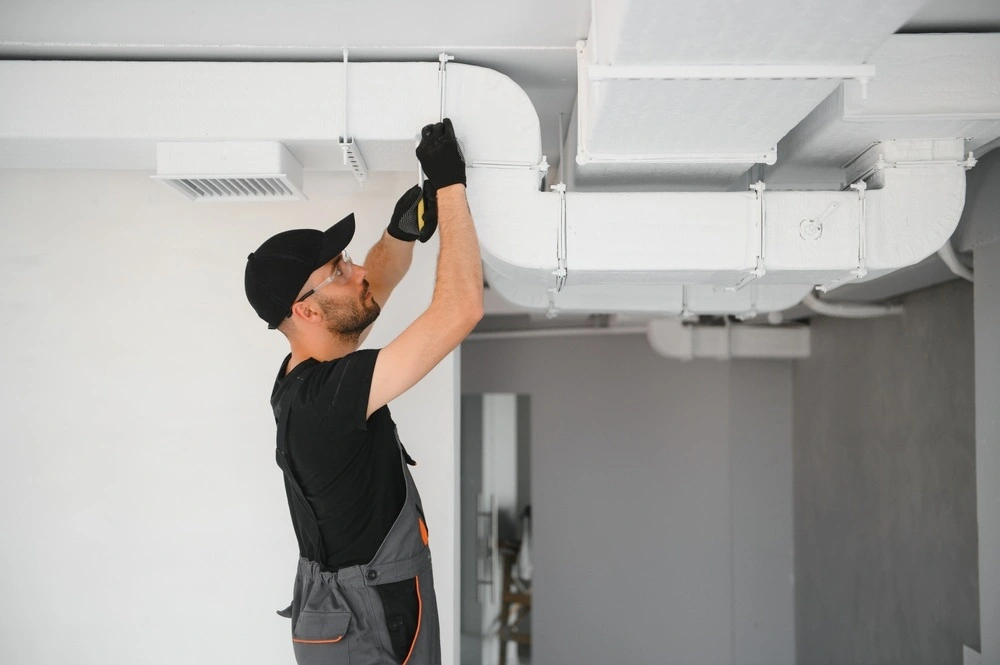
Professional duct testing can be beneficial. It helps determine the need for cleaning or simpler fixes, such as sealing leaks. Sometimes those are found around your dryer vent or even water heater, but rarely are those connected to air ducts.
Knowing the Signs It is Time for a Cleaning
Visible dust, debris, or mold near vent covers indicate that cleaning is needed. Also, consider reduced airflow. The HVAC system working harder can also signal an issue.
Consider cleaning ducts when building a new home or after major renovations. Construction work creates significant dust. Cleaning ducts at the beginning and end minimizes buildup and could improve indoor air quality.
Preparing for Air Duct Cleaning
Getting ready for this project? A well-planned approach will help in preventing bigger issues.
Gather necessary supplies beforehand. Starting without proper equipment can spread dust, pollen, and dander, so prepare well to avoid those problems. Having protective gear such as eyewear is very useful, too.
Essential Equipment to Help
Here’s a table of tools and materials with links for easy access:
| Item | Purpose |
|---|---|
| Shop Vacuum with Extension Hose | Standard vacuums are less effective; shop vacuums reach farther with the help of an extension hose. |
| Vent Cleaning Kit or Dryer Vent Cleaning Brush | Vent cleaning kits include brushes and rods; dryer vent brushes with long handles loosen stubborn debris. |
| Cordless Screwdriver | Removing and reinstalling vent covers is easy with a cordless screwdriver. |
| Dish Soap | Used for washing vent covers to remove dirt and residue. |
| Paper Towels | Covering vents prevents dust from spreading; it is also useful for removing loose dust. |
| Cleaning cloths | Microfiber cloths effectively wipe down surfaces during cleaning. Using a damp microfiber cloth works great. |
| Safety Eyewear, Respirator, and Gloves | Protect yourself with eyewear, respirators, and gloves. |
Air Duct Cleaning Tips for Doing It Yourself
Turn off the HVAC system to avoid any safety issues. Remove grill covers or air vent registers.
Use the screwdriver to gently loosen stuck grills. Wash them with dish soap and water for a thorough cleaning, especially if there’s a buildup you want to remove.
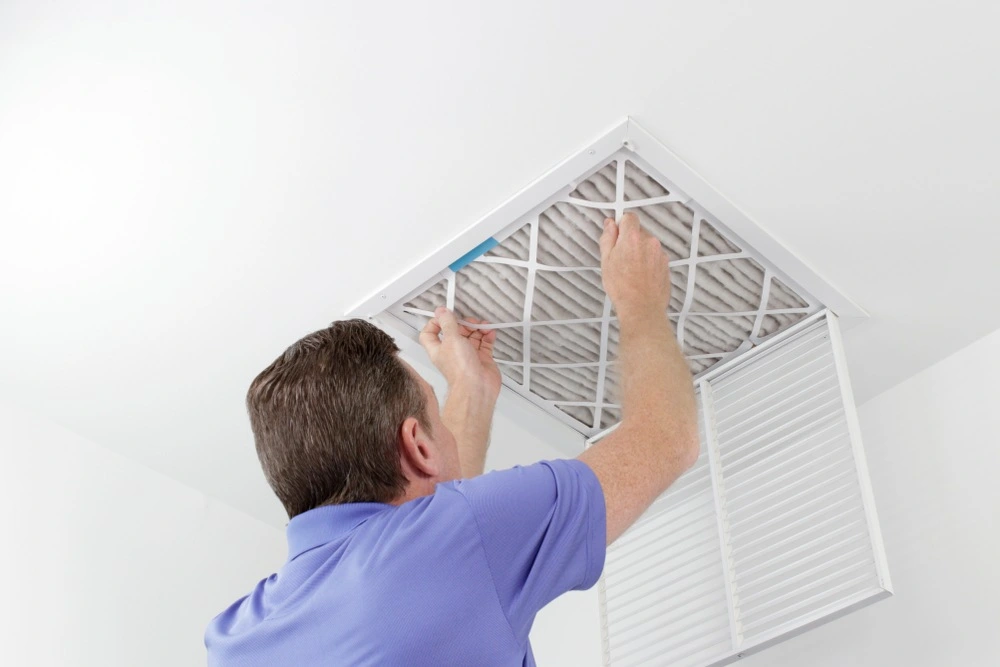
Cover supply vents not being cleaned with paper towels. Tap the duct’s interior with the cleaning brush handle to release dirt, debris, and potential mold.
Set the thermostat to the “fan only” setting without cooling or heating. This helps remove loosened dust into easier places for the shop vacuum. Some have even covered the area with a furnace filter, but this is more effective with multiple layers of paper towels on the supply vents.
Getting in and scrubbing.
Use your vent cleaning kit, starting at the furthest reachable point, and twist the brush head. Gently pull the loosened debris out. Place the debris in a garbage bag, and repeat in other areas.
Wear protective gear to reduce contact with dust. Securely connect the vacuum extension with duct tape to prevent it from getting lost in the ductwork.
Replace the HVAC air filter with a new one for optimal performance. Reinstall grilles, covers, and floor vents, ensuring everything looks tidy. After you have finished vacuuming and everything looks better, turn the HVAC back on.
Following these DIY tips can improve air quality. However, professional duct cleaning is still beneficial, offering thoroughness.
Remember, safety comes first; if uncomfortable, consult a professional for optimal system performance. Professional air duct cleaners get deep into places within your ducts that might be harder to get to on your own.
Choosing A Professional
Professional air duct cleaning services use specialized skills and equipment. This is especially important with mold or vermin or simply wanting indoor air quality that is cleaner.
NADCA recommends cleaning every component of the HVAC air system. A thorough cleaning includes air ducts, coils, drain pan, registers, grills, air plenum, blower motor, heat pump, and filter replacement or cleaning.
Consulting NADCA provides peace of mind when choosing a professional. They offer resources and a NADCA Mobile App, extending beyond just finding local contractors. Their tips can even provide information on a tankless water heater, if applicable.
Maintaining Clean Air Ducts
Maintenance is vital for keeping systems clean and indoor air fresh. It will improve your overall indoor air quality.
Keeping ducts free of dust, dirt, and growth doesn’t have to be difficult. Having it be clear of those helps keep better furnace maintenance, too.

Here are easy tips:
- Change air filters as recommended (usually monthly or every few months) using high-quality options.
- Clean around registers with a cleaning brush, and use cloths to remove visible buildup.
- Doing dryer vent cleaning as needed improves efficiency.
These actions can minimize the need for major air duct services. Using a cleaning kit and changing your AC filter frequently goes a long way.
Consider household cleaning tips, like dryer sheets for baseboards or vinegar and lemons for odor control. Check plumbing areas and closets for wetness to prevent mold; if found, call a company promptly. Having plumbing inspected is an important annual maintenance tip, too, that can sometimes help the air conditioning unit.
Keeping Proper Indoor Air Quality
Clean ducts, along with air purification, improve air circulation and keep your furnace functioning better. A dirty furnace causes airflow issues.
Address standing water and plumbing leaks to prevent contaminants from becoming trapped. Think of hygiene maintenance to minimize dirt buildup. Air quality and ventilation improve, leading to a fresher, cleaner environment. Be sure to maintain your heater to help keep heating repair bills to a minimum.
Avoid moisture-spraying methods, especially steam. Trapped water with pollutants can be problematic. These easy maintenance ideas ensure confidence in indoor air and airflow.
Conclusion
Air duct cleaning, whether DIY or professional, enhances indoor air and HVAC efficiency. This can even minimize future AC maintenance costs. These air duct cleaning tips bring many benefits with consistent habits and processes. Did you notice reduced odors after completion?
Improvements in dust, pet odors, and ventilation are significant. Maintaining clean and efficient HVAC systems minimizes frustrations and offers substantial long-term benefits.
Contact us today for more information or to schedule a free consultation.