
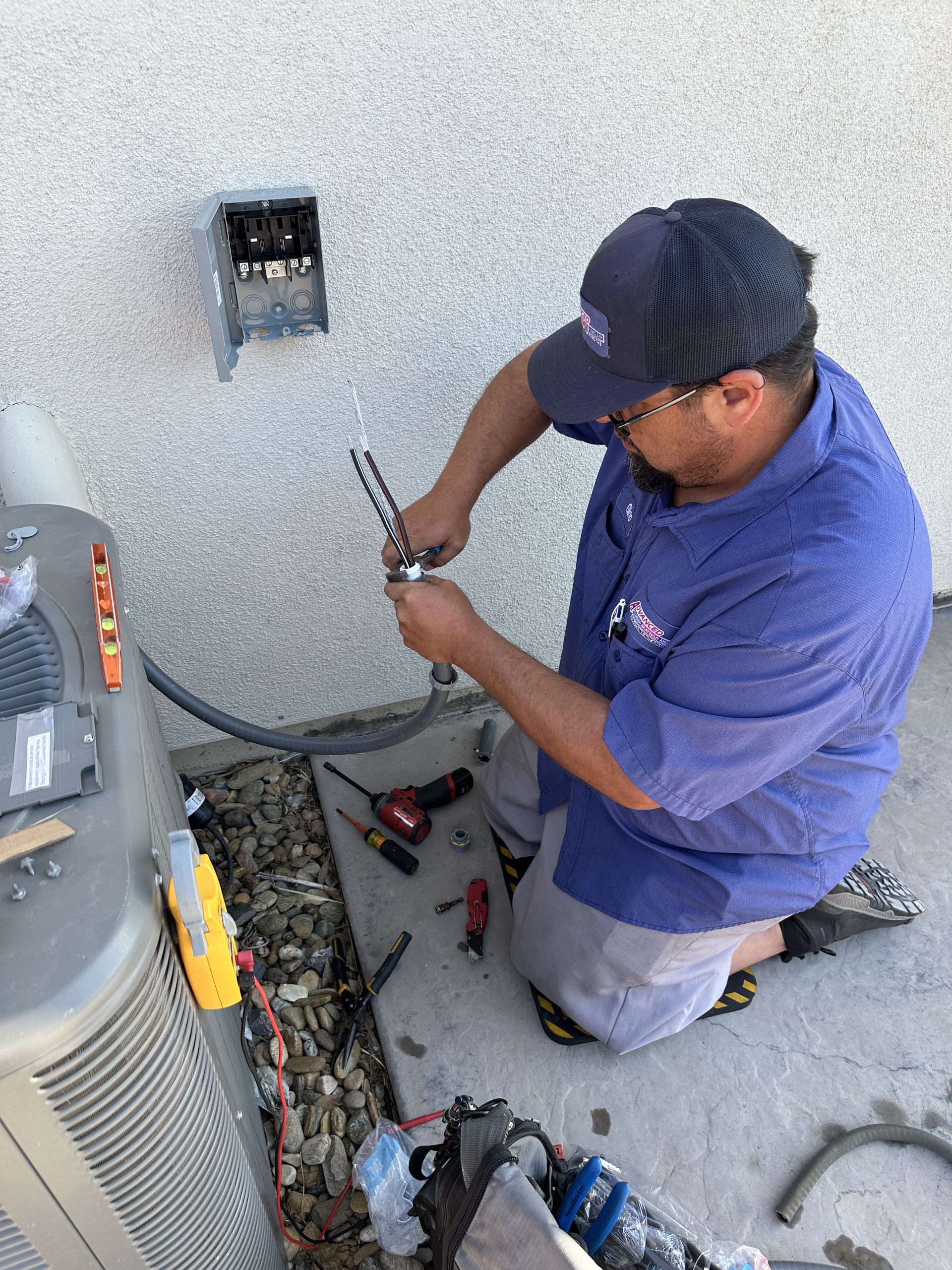
Annual furnace and AC service is the difference between a system that quietly does its job and one that quits on the hottest or coldest day of the year. Yes, you should service both every year. Annual maintenance prevents unexpected breakdowns, extends equipment life, improves energy efficiency, and keeps your warranty valid. Most professionals recommend servicing your furnace in fall and your AC in spring, so each system is ready before you lean on it.
Key Points
- Annual furnace and AC service prevents most breakdowns before they happen.
- Regular maintenance can cut energy use by up to 15% and extend equipment life toward 15 to 20 years.
- A professional visit cleans components, checks electrical connections, and catches small problems early.
- Skipping maintenance can void manufacturer warranties and raise your energy bills.
- Service your furnace in fall and your AC in spring for the best protection.
Why Does Regular HVAC Maintenance Matter?
Think of your furnace and AC like your car. You would not drive for years without an oil change, and your heating and cooling systems need the same care. Your HVAC system works hard all year, with the AC running constantly in summer and the furnace working overtime in winter, and all that use wears on the parts. Regular maintenance catches small problems before they become big ones, and a small fix now can prevent a full system breakdown later.
What Are the Benefits of Annual HVAC Maintenance?
Improved Energy Efficiency
A well-maintained system runs more efficiently because it is clean and properly adjusted, so it does not have to strain to heat or cool your home. Dirty filters, coils, and fans make the system work harder, which uses more energy and costs you more. Regular maintenance keeps everything running smoothly and can reduce energy consumption by up to 15%, which means lower bills every month. For year-round upkeep, our HVAC maintenance plans keep the whole system tuned.
Extended Equipment Life
Your furnace and AC are a major investment. Most systems should last 15 to 20 years, but without proper care they can fail much sooner. Maintenance helps your equipment reach its full lifespan, because technicians lubricate moving parts to reduce wear and clean components that would otherwise corrode. Think of annual service as an investment that delays the cost of a full replacement.
Fewer Costly Repairs
One of the biggest benefits is avoiding emergency repairs, which always seem to strike during a heat wave or a cold snap. During a visit, technicians spot worn parts before they fail, and replacing a small part on a scheduled visit costs far less than an emergency call. Many professionals estimate that up to 85% of repairs could be prevented with proper maintenance.
Better Indoor Air Quality
Your furnace and AC do more than control temperature; they affect the air you breathe. Dust, pollen, and other particles build up over time. Annual maintenance cleans or replaces filters and clears components that harbor dust and mold, which helps remove allergens from your indoor air. For families with allergies or respiratory issues, that improvement makes a real difference in comfort and health.
What Happens During a Professional Furnace and AC Service?
Furnace Maintenance Tasks
When a technician services your furnace, they inspect the heat exchanger for cracks that could leak carbon monoxide, a safety check worth the cost of the visit on its own. Per the CDC on carbon monoxide safety, a cracked heat exchanger is a serious hazard. They also clean the burners and adjust the flame sensor for proper ignition, check electrical connections and safety controls, lubricate moving parts like the blower motor, and replace or clean the air filter. When a repair is needed, our furnace repair team handles it.
AC Maintenance Tasks
During an AC tune-up, the technician cleans the condenser and evaporator coils so the system does not have to work harder to cool, checks refrigerant levels to protect the compressor, clears the condensate drain to prevent water damage, tests the thermostat and controls, and inspects and cleans the blower components for proper airflow. For cooling problems between visits, our AC repair team can help.
When Is the Best Time to Schedule Maintenance?
Timing Your Maintenance Visits
Schedule furnace maintenance in early fall, before you turn on the heat, so the system is ready for cold weather. Schedule AC maintenance in spring, before the heat arrives, so any issues are fixed before you need cooling. Many homeowners find it easier to book both at once, and many companies offer combined maintenance packages.
Creating a Maintenance Calendar
A regular service schedule takes the guesswork out of maintenance, and maintenance plans often include automatic scheduling along with perks like priority service and repair discounts. Between professional visits, set phone reminders for filter changes, which most systems need every 1 to 3 months depending on your home.
DIY Maintenance vs. Professional Service
What You Can Do Yourself
Some tasks are safe to handle on your own. Changing air filters regularly is the most important, since clean filters improve efficiency and air quality. Keep outdoor units clear of leaves, grass clippings, and dirt with at least two feet of clearance. Keep vents and registers unblocked by furniture or curtains, and listen for unusual noises or performance changes so you catch problems early.
When to Call the Professionals
Leave the technical work to trained technicians. Internal cleaning requires special tools and knowledge, electrical testing and repairs carry safety risks, refrigerant handling requires certification by law, and combustion adjustments on gas furnaces should only be done by a professional.
Does Maintenance Really Save Money?
Understanding the Financial Benefits
Annual maintenance typically costs $80 to $200 per visit. Emergency repairs often start at $150 just for the service call, with parts and labor adding hundreds more, and a major component failure can cost $500 to $2,000. A complete system replacement runs $5,000 to $10,000 or more, and regular maintenance helps you avoid or delay it. Energy savings from a well-maintained system also offset the cost, with many homeowners saving 10 to 15% on monthly bills.
The Hidden Costs of Skipping Maintenance
Beyond repair bills, skipping maintenance carries other costs. Inefficient operation raises energy bills, a dirty system can use 20% more energy than a clean one, a shortened lifespan means replacing your system years early, and many manufacturers require proof of annual maintenance to honor a warranty claim. Comfort problems like uneven heating or cooling can even push you toward buying space heaters or fans.
What Are the Warning Signs My System Needs Attention Now?
Even with regular maintenance, watch for red flags. Banging, whistling, or grinding noises point to mechanical problems. Burning smells or gas odors call for emergency service, because a gas smell can mean a dangerous leak. Uneven heating or cooling suggests airflow problems or a failing zone. Rising bills with no clear reason often mean the system is straining, and frequent cycling on and off signals it is struggling to hold the temperature.
Frequently Asked Questions About Furnace and AC Maintenance
How often should I service my furnace and AC?
Most manufacturers and HVAC professionals recommend annual service for both your furnace and AC. Homes with pets, allergies, or heavy usage may benefit from twice-yearly service. The goal is to have each system checked before its peak season.
Can I skip a year if my system seems fine?
It is risky. A system can seem to run fine while problems develop invisibly, so skipping maintenance raises the chance of a breakdown and reduces efficiency. It is like skipping a dental checkup: issues grow without symptoms until they become serious.
Will maintenance really save me money?
Yes. Regular maintenance saves money through better efficiency, fewer repairs, and longer equipment life. For most homeowners, the return on preventative care is consistently positive.
Does a new system need maintenance in the first year?
Yes. Even new systems need maintenance to run at peak efficiency and to keep warranty coverage valid. Problems can develop in the first year if installation issues are not caught early.
What happens if I do not change my air filter?
A dirty filter restricts airflow and forces the system to work harder, which increases energy use, reduces comfort, and can cause overheating or freezing. Dirty filters also let dust and allergens circulate through your home.
Make the Most of Your HVAC Investment
Your heating and cooling system is one of the most important investments in your home, and regular furnace and AC service protects it, both financially and for your comfort. Annual maintenance keeps your system efficient, extends its life, and delivers reliable comfort year-round. As a veteran and woman owned team with a 4.8 star rating and more than 1,400 five star reviews from your neighbors, our certified technicians take the hassle out of it. Schedule your appointment today and keep your system running its best all year.