
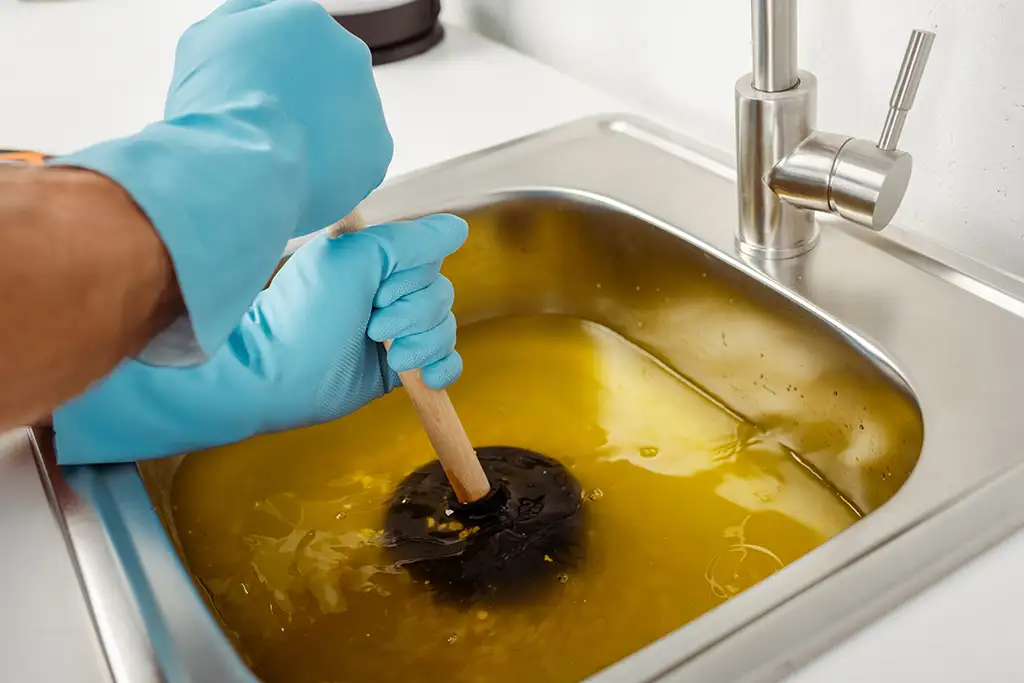
Dealing with a clogged drain is a universal homeowner headache in Suisun City. But what if you could prevent those stubborn clogs in the first place? This is about taking charge of your plumbing and avoiding those “oh no” moments. This article explores practical steps for preventing clogged drains, which can cause water damage over time.
Understanding the Enemy: Common Culprits
Before we dive into prevention, let’s shed light on what commonly leads to clogged drains. Understanding the “enemy” is half the battle, right?
1. Hair: A Drain's Worst Nightmare
Whether it’s from showering, shaving, or even brushing your teeth, hair can easily accumulate and clog drains. Especially in bathroom sinks and shower drains, hair tends to bind with soap scum and other debris, forming a stubborn blockage. If you are experiencing frequent clogs, this could be the reason.
2. Soap Scum: A Sticky Situation
While soap helps keep us clean, it contributes to clogged drains. The fats and minerals in soap can solidify over time, sticking to pipes and trapping other debris, leading to slow drainage and, eventually, complete blockages.
3. Food Waste: Not Meant for the Pipes
In the kitchen, even small food particles, especially those starchy like rice, pasta, or bread crumbs, expand with water, potentially causing clogs. It’s always best to scrape off excess food from plates into the trash or compost before washing them.
4. Grease and Oil: A Recipe for Disaster
Pouring grease or oil down the drain may seem convenient, but it’s a surefire way to experience a clog in the future. As these substances cool, they solidify and stick to the inside of your pipes, trapping other debris and leading to serious clogs. Don’t pour oil or grease down the sink drain. The result? A plumbing nightmare and a costly repair bill.
Proactive Measures to Prevent Clogged Drains
Taking proactive measures can make all the difference. It is much easier to prevent a clog than to deal with a plumbing emergency in Vacaville. Regularly cleaning your drains can help with eliminating odors, too.
1. Invest in Drain Screens: Your First Line of Defense
Using drain screens is an easy yet effective way to prevent hair, coffee grounds, eggshells, and other debris from going down the drain. It’s a small investment that can potentially save you big on plumbing bills. Cleaning your drains regularly is an easy way to prevent clogs.
2. The Boiling Water Routine
This simple habit can work wonders, especially for kitchen sinks. Regularly pouring boiling water down the drain can help to dissolve grease and oil build-up, reducing the chances of a stubborn clog. Doing this once a week should be enough to keep things flowing smoothly.
3. Be Mindful of What Goes Down the Toilet
The only things that should be flushed down the toilet are human waste and toilet paper. It’s tempting to flush other things but resist the urge. Feminine hygiene products, wipes (even those labeled “flushable” are often not truly flushable), paper products, and cotton swabs should never be flushed, as they can cause major blockages. Subscribe to Tim’s free newsletter at askthebuilder.com for more plumbing advice.
4. Regularly Flush with Cold Water
After using the garbage disposal or washing dishes, flush the kitchen sink drain with cold water for at least 30 seconds. Additionally, pouring 10-15 gallons of cold water down the toilet once a week creates a forceful flush, much like nature’s way of cleaning streambeds, helping keep drainpipes clear.
Natural DIY Drain Cleaners
Chemical drain cleaners should only be used as a last resort due to their harsh ingredients that can damage pipes. Luckily, there are effective natural alternatives to clear clogged drains:
Ingredient | Benefits | How to Use |
|---|---|---|
Baking Soda & Vinegar | A classic combo for a reason. Creates a fizzing action to dislodge minor clogs. Safe for most pipes. | Pour 1 cup baking soda, follow with 1 cup vinegar. Let it sit for 30 minutes, then flush with hot water. |
Boiling Water & Salt | Salt acts as a scrubbing agent while boiling water dissolves grease. A simple solution for minor clogs. | Pour 1 cup salt down the drain followed by a kettle of boiling water. |
Lemon Juice & Baking Soda | The citric acid in lemon is a natural cleaning agent. Combined with baking soda’s fizzing action, it tackles grease. | Mix 1 cup baking soda and 1/2 cup lemon juice. Pour the mixture down the drain, let it sit for 30 mins, then flush with hot water. |
Using these simple tips on a regular basis can go a long way. It’s always a good idea to pour hot water down the drain once a month. Your goal should always be to keep your plumbing system in good working order to avoid putting things in the garbage disposal or drain that don’t belong. If you have a septic tank, it’s best to reach out to a plumber on a monthly basis or as needed.
Professional Drain Cleaning: When to Call for Backup
While these preventative measures are effective for keeping drains clear, sometimes professional help is necessary. If you experience frequent clogs, slow drainage in multiple fixtures, or a gurgling sound from your drains, it’s best to call a licensed plumber to diagnose the issue and handle clogged drains. Plumbers can also address issues like your grease trap or perform trap cleaning and grease trap cleaning, if needed. A good working garbage disposal will help prevent food scraps from creating clogs, too.
There are simple steps homeowners can take, and by following the above, they are well on their way. A sump pump in good working order will help prevent clogs, too. Your water heater should also be in good working order, as that can lead to plumbing problems as well.
FAQs
Here are some frequently asked questions about preventing clogs in drains. If you need emergency plumbing services, please call a professional plumber.
What are the signs of clogged drains?
Common signs include slow drainage, standing water in sinks or tubs, gurgling sounds from drains, and unpleasant odors emanating from drains.
How can I unclog a floor drain?
You can try using a plunger or a plumbing snake to dislodge the clog. If these methods don’t work, it’s best to contact a professional plumber.
Can I use chemical drain cleaners regularly?
It’s best to avoid using chemical drain cleaners regularly as they can damage your pipes over time. Opt for natural alternatives whenever possible.
Conclusion
Preventing clogged drains is about understanding how your plumbing works and creating good habits. Implementing these practical tips will save you time, money, and frustration. By being mindful of what goes down the drain and establishing a consistent maintenance routine, you can keep those pipes flowing freely and prevent clogged drains in the first place.
Contact us today in Vacaville, for more information about clogged drains or to schedule a free consultation.