
Spring in Vacaville brings a noticeable shift in temperatures, with daily highs climbing from 63°F in March to 83°F by the end of May. Mornings and evenings remain cool, with lows increasing from 45°F to 56°F, but afternoons can quickly warm up—sometimes exceeding 90°F. This fluctuation puts extra demand on HVAC systems as homeowners switch between heating and cooling throughout the season.
With spring’s rising temperatures and the transition to summer heat, now is the ideal time to prepare your HVAC system. Proper maintenance ensures efficient operation, improved air quality, and lower energy costs as your system adjusts to changing conditions. Taking proactive steps now can prevent unexpected breakdowns and keep your home comfortable through the warmer months.
Why Spring HVAC Maintenance Matters
Your HVAC system works hard all year, but the transition from heating to cooling can be particularly demanding. Proactive maintenance offers numerous benefits.
- Improved energy efficiency leads to lower utility costs.
- Extended lifespan of your HVAC equipment.
- Consistent comfort throughout your home.
- Prevention of unexpected breakdowns.
- Maintenance of healthy indoor air quality.
These benefits make a compelling case for preparing your HVAC system for the spring season.
Essential Steps to Prepare Your HVAC System for Spring
1. Replace or Clean Air Filters
One of the easiest ways to prep your system is to replace air filters or clean them. Dirty filters restrict airflow, causing your system to work harder. This results in higher energy bills and possible equipment damage.
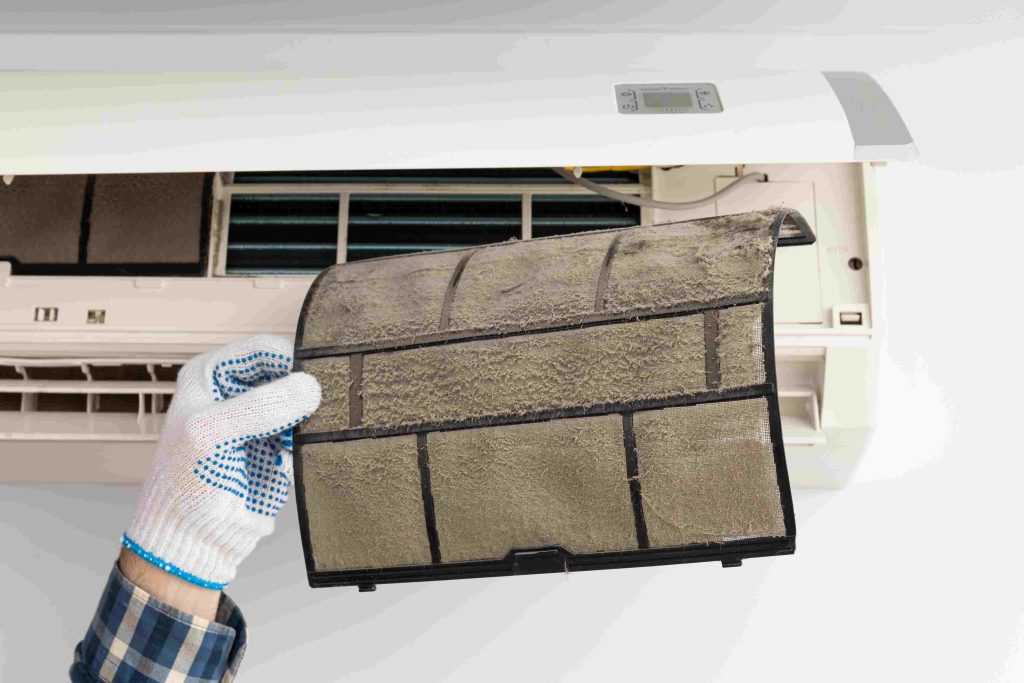
For most homes, changing air filters every 1-3 months is recommended. If you have pets or live in a dusty area, you may need to change them more frequently. Clean filters help maintain proper airflow and improve indoor air quality.
2. Clear Debris from Outdoor Units
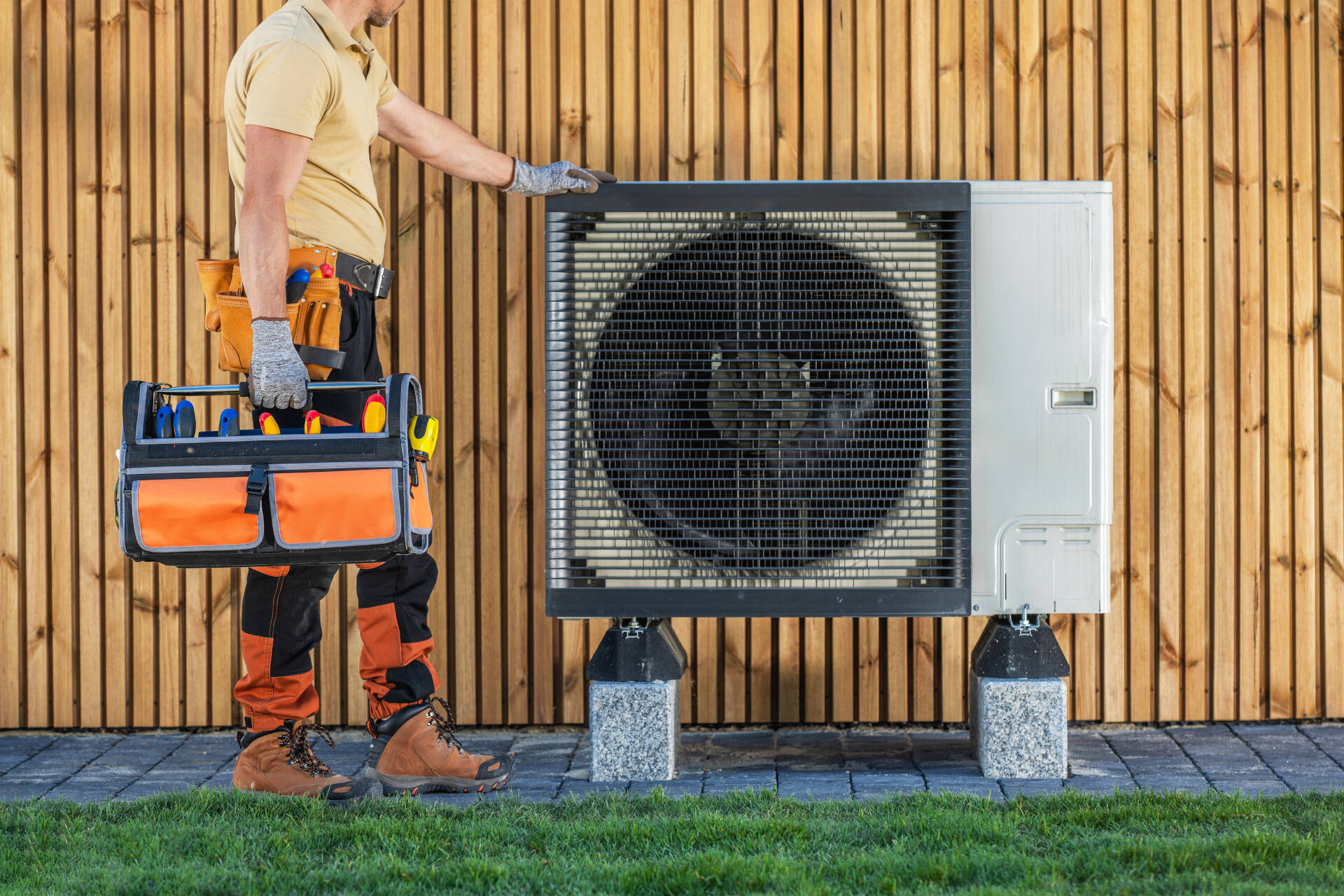
Your outdoor condenser likely has leaves and debris accumulated. This buildup can block airflow and reduce efficiency. To address this:
- Turn off power to the outdoor unit at the breaker.
- Remove any covers you used for winter protection.
- Gently remove debris from the unit using a soft brush or vacuum cleaner.
- Trim back vegetation to ensure at least 2 feet of clearance.
Remember, clear airflow is essential for your system to work at its best. Keep the area around your unit clear to avoid cooling issues.
3. Check and Clean Vents and Registers
Inspect and clean vents and return air grills inside your home. Dust and debris can gather, hindering airflow and affecting indoor air quality. Use a vacuum cleaner with a brush attachment to clean these.
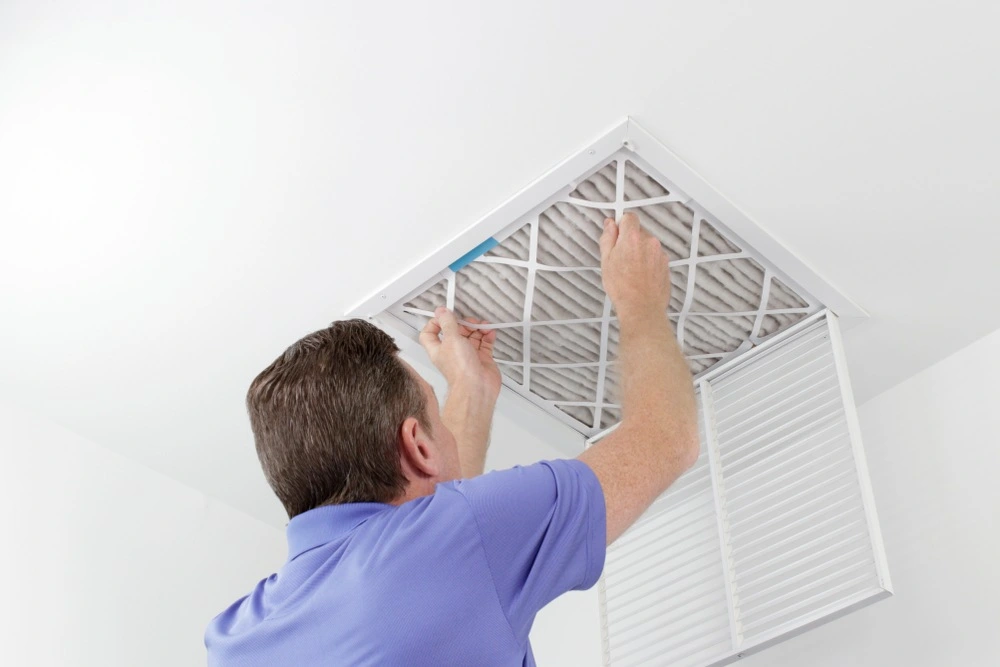
Also, make sure all vents are open and unobstructed. Closing vents in unused rooms doesn’t save energy; it can disrupt system balance. Keeping vents clear ensures consistent temperatures and prevents strain on your HVAC system.
4. Inspect and Clean the Condensate Drain Line
As your air conditioner cools, it also dehumidifies the air. This creates condensation that is removed via a condensate drain line. This line can become clogged, causing water damage or system problems.
To prevent this:
- Locate the condensate drain line (usually a PVC pipe near your indoor unit).
- Check for any blockages or algae growth.
- Pour a cup of white vinegar down the drain.
- If the line seems blocked, contact a professional HVAC technician for assistance.
Regular condensate drain maintenance can help you avoid costly repairs.
5. Test Your Thermostat
Your thermostat controls your HVAC system. Check thermostat settings to make sure that they are working properly. Here’s how to test it:
- Switch your thermostat to “cool” mode.
- Set the temperature a few degrees below the current room temperature.
- Wait for your system to start (this may take a few minutes).
- Check airflow that cool air is coming from your vents.

If your system doesn’t respond, it may be time for an upgrade. Consider a programmable thermostat, which can save up to 10% on energy costs.
6. Schedule Professional Maintenance
While many steps can be done on your own, a professional inspection is very important. A qualified HVAC technician can provide comprehensive HVAC maintenance.
- Check refrigerant levels and inspect for leaks.
- Clean and inspect the evaporator coil and condenser coils.
- Lubricate moving parts.
- Inspect electrical connections.
- Calibrate your thermostat.
Many HVAC companies offer maintenance plans. This is a good way to ensure your system stays in good shape.
Optimizing Your HVAC System for Energy Efficiency
As you prepare your system, think about optimizing its energy efficiency. Improving efficiency not only reduces energy costs but also prolongs the life of your equipment.
Seal Air Leaks
Air leaks around windows and doors can force your system to work harder. Inspect these areas and seal any gaps with caulk or weatherstripping. This simple step can greatly improve energy efficiency and contribute to energy savings.
Add or Upgrade Insulation
Proper insulation helps maintain a consistent temperature, which can reduce the workload of your HVAC system. Check your attic insulation and consider adding more if needed. The U.S. Department of Energy provides guidelines for insulation levels.
Consider a System Upgrade
If your system is more than 10-15 years old, consider an upgrade. Newer systems are more energy-efficient, leading to savings on energy bills. When choosing a new HVAC system, consider factors like energy ratings, size, and specific needs. Modern heat pumps, for instance, offer both heating and cooling, enhancing flexibility and efficiency. There is also a mini-split installation.

Addressing Indoor Air Quality
Spring HVAC maintenance should also consider indoor air quality. Spring often brings more pollen and allergens. Here are some steps to improve your indoor air quality:
Upgrade Your Air Filters
Consider high-efficiency air filters. The American Society of Heating, Refrigerating and Air-Conditioning Engineers (ASHRAE) recommends filters with a MERV rating of 13 or higher. But only if your system is compatible.
Consider Air Purification Systems
For those with allergies or respiratory issues, adding an air purification system helps. These systems provide extra filtration and improve air quality. These can be especially useful in commercial settings with commercial HVAC systems.
Control Humidity Levels
Spring can bring increased humidity, leading to mold and other issues. Use a dehumidifier or install a whole-home system to maintain humidity levels. Proper humidity control also protects your HVAC system’s internal components.
Frequently Asked Questions (FAQs) about Spring HVAC Maintenance
Q: How often should I change my air filters?
A: Most residential systems should have filters changed every 1-3 months. If you have pets or live in a dusty area, change them more frequently.
Q: What should I do if my condensate drain line is blocked?
A: If you see a blockage, pour a cup of white vinegar down the drain. If that doesn’t work, contact a professional HVAC technician for help to address it properly and avoid potential water damage.
Q: Is it necessary to hire a professional for HVAC maintenance?
A: Although some tasks can be handled independently, a comprehensive inspection and tune-up by a qualified technician can identify issues that might be overlooked. A professional HVAC technician will look for leaks, lubricate moving parts, and look at electric connections. Professional services offer thorough diagnostics, efficient repairs, and long-term care.
Q: Can closing vents in unused rooms save energy?
A: No, closing vents does not save energy. It can disrupt the system’s balance. This can lead to reduced efficiency and potential damage.
Q: When should I consider upgrading my HVAC system?
A: Consider an upgrade if your system is more than 10-15 years old. Older units tend to be far less efficient. New installations can also reduce energy costs and enhance overall performance.
Conclusion
Knowing how to prepare HVAC systems for spring is important for maintaining a comfortable and efficient home. From changing filters to scheduling spring professional maintenance, these actions will prepare your system for warmer weather. A well-maintained HVAC system lasts longer and uses less energy.
This helps in saving money in the long run. As temperatures rise, give your HVAC system attention. Regular upkeep and timely professional maintenance help your equipment operate smoothly. Don’t wait until your system gives out before taking action.
Contact us today for more information or to schedule a free consultation.