
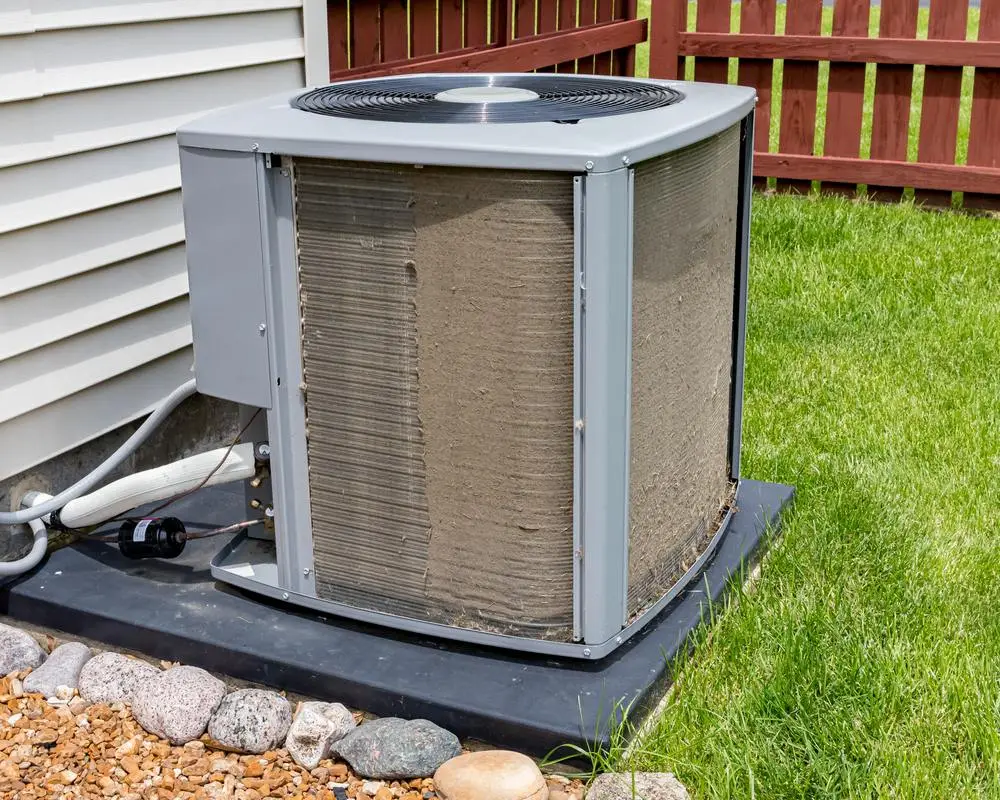
Clean an evaporator coil at least once per year. Homes with pets, smokers, or heavy dust need it every 3-6 months. The right interval depends on how hard the system runs, what is in your air, and how old the equipment is.
Key Points
- Once a year is the baseline for most homes, scheduled before peak cooling season.
- Pets, smoking, dusty areas, or year-round cooling push the interval to every 3-6 months.
- A dirty coil can increase energy bills by 20-30%.
- Professional cleaning costs $100 to $400 and takes 1-2 hours.
- Changing filters every 1-3 months is what stretches the interval between cleanings.
What Is an Evaporator Coil?
An evaporator coil is the component of your air conditioning system that absorbs heat from indoor air. The coil holds refrigerant that changes from liquid to gas as it collects that heat, which is what cools the air moving through your home.
Evaporator coils are typically made of copper, aluminum, or steel and carry a series of fins that increase surface area. That design maximizes heat transfer, and it also makes the coil an efficient trap for dust, dirt, and airborne particles.
Knowing how often to clean an evaporator coil protects one of the most important parts of your system. A clean coil runs efficiently, keeps the home comfortable, and avoids repairs that a neglected coil eventually causes.
Why Do Evaporator Coils Get Dirty?
Evaporator coils get dirty because they are constantly exposed to moving air carrying dust, pet dander, and pollen, all of which stick to the coil surface.
The coil’s cold surface also creates condensation. That moisture traps more dirt and can lead to mold growth when the coil does not drain properly.
A dirty or poorly fitted air filter makes it worse, letting more contaminants reach the coil directly. Filter condition is the single biggest factor in how often you need to clean an evaporator coil.
How Often Should You Clean an Evaporator Coil?
The general rule is to clean an evaporator coil at least once per year, as part of regular HVAC maintenance. Several factors shorten that interval.
Cleaning Frequency by Household Type
- Standard home, seasonal AC use: Once per year, scheduled in spring before cooling season.
- Homes with pets: Every 3-6 months. Fur and dander clog the coil faster than anything else on this list.
- Homes with indoor smoking: Every 3-6 months. Smoke residue is sticky, so it holds dirt rather than letting it pass.
- Dusty areas or ongoing renovation: Every 3-6 months while the dust source is active.
- Year-round cooling climates: Twice a year, typically spring and fall.
- Systems 10+ years old: At least annually, often more, since older systems are less efficient and accumulate buildup faster.
If more than one of these applies, clean an evaporator coil on the shorter interval. Two factors together compound rather than average out.
Seasonal Considerations
The best time to clean an evaporator coil is before a heavy usage season. For most homes that means spring, ahead of summer cooling.
In regions with year-round cooling needs, schedule twice a year, in spring and fall. That keeps the system efficient through the hottest months.
Local climate changes how often to clean an evaporator coil too. Humid environments encourage mold growth on coils, while dry, dusty areas cause faster dirt accumulation. Both shorten the interval, for different reasons.
Usage Factors
How hard the system runs changes how often to clean an evaporator coil. A system running almost constantly filters far more air, and collects far more dirt, than one running occasionally.
Homes with open windows and doors pull in more outside contaminants. Renovation projects create dust that reaches the coil quickly.
Filter quality also plays a role. Higher MERV-rated filters trap more particles, which extends the time between coil cleanings.
Signs Your Evaporator Coil Needs Cleaning
Do not wait for a breakdown. Several warning signs mean it is time to clean an evaporator coil regardless of your schedule.
Reduced cooling efficiency is the most common. If the home is not cooling as quickly or evenly as it used to, the coil is a likely cause, and some rooms staying warmer than others is a typical pattern.
Higher energy bills without increased usage mean the system is working harder than it should. That extra effort usually traces back to a dirty coil forcing longer run cycles.
Visual and Physical Signs
Visible dirt, dust, or mold on an accessible coil is a clear indication. The coil should look clean and free of buildup.
Musty or moldy smells from the vents often indicate a dirty coil, since mold and bacteria grow readily on a damp, dirty surface.
Ice on the coil or refrigerant lines is another signal. When dirt insulates the coil, it cannot absorb heat properly, so the refrigerant runs too cold and moisture freezes.
System Performance Issues
Your heat pump may start short cycling, turning on and off frequently, when the evaporator coil is dirty. This happens because the system cannot transfer heat effectively, so it satisfies and re-triggers in quick succession.
Water leaks around the indoor unit often point to the coil as well. Dirt blocks the normal condensation drainage path, and the water overflows instead. Regular AC maintenance catches drainage problems before they reach your floors.
Step-by-Step Cleaning Guide
If you are comfortable with DIY maintenance, here is how to clean an evaporator coil yourself.
Gather your supplies first: a no-rinse evaporator coil cleaner, a soft brush, gloves, safety glasses, and a spray bottle with water. Turn off power to the system before beginning any work.
Locate the evaporator coil, typically inside the indoor unit. You may need a screwdriver to remove an access panel.
Cleaning Process
Start by gently removing loose debris with a soft brush. Be careful not to bend the delicate aluminum fins, which restrict airflow when they are crushed.
Spray the no-rinse coil cleaner per the product instructions. These cleaners foam up, loosen dirt, and drip away with the condensation the coil produces naturally.
Heavily soiled coils may need a second application. Let the cleaner work for the recommended time before rinsing, if the product calls for a rinse.
Safety Precautions
Wear gloves and safety glasses. The fins are sharp, and cleaning chemicals irritate skin and eyes.
Make sure the work area is well ventilated. Some cleaning products produce strong fumes.
If you are unsure about the process, call a professional. Improper cleaning damages components that cost more to fix than the cleaning would have cost.
Professional vs. DIY Cleaning
Professional cleaning offers advantages DIY cannot match. Technicians carry specialized tools and cleaners that remove stubborn buildup without damaging the coil.
Professionals also inspect the rest of the system during the visit, which often catches problems before they turn into expensive repairs.
Professional evaporator coil cleaning typically costs $100 to $400 depending on your location and the coil’s condition. It costs more than DIY and usually saves money over time through better efficiency and fewer repairs. The U.S. Department of Energy identifies coil cleaning and filter replacement as central to maintaining air conditioner efficiency.
When to Call a Professional
Call a professional when you see ice formation, water leaks, or complete cooling failure. Those are past the point where a cleaning alone resolves the problem.
Systems that have gone several years without maintenance usually need professional attention, because the buildup is beyond what consumer-grade cleaners lift.
Older systems and those with a history of problems should also be serviced professionally, so the cleaning does not damage fragile components.
Finding a Qualified Technician
Look for technicians with proper certification and verifiable reviews. Ask friends or family for recommendations.
Before hiring, ask about their experience with your specific type of system, their cleaning methods, and the products they use.
A good technician will explain how often to clean an evaporator coil in your particular situation and offer a maintenance plan that keeps the system in condition.
Maintaining Clean Evaporator Coils
Prevention beats cleaning. Changing your air filter regularly is the simplest way to reduce how often to clean an evaporator coil and to keep the coil cleaner for longer.
Most homes should replace standard 1-inch filters every 1-3 months. Thicker filters may last 3-6 months. Check monthly and replace when it looks dirty.
Higher-quality filters extend the interval further. Filters with MERV ratings of 8-13 capture more particles before they reach the coil.
Additional Preventive Measures
Consider installing an ultraviolet light near the coil. These kill mold and bacteria that grow on the coil’s moist surface.
Regular duct cleaning reduces the dust reaching the coil. Most homes benefit from duct cleaning every 3-5 years.
Keeping the house clean reduces airborne particles at the source. Dusting, vacuuming with a HEPA filter, and cutting indoor pollution all help.
Seasonal Maintenance Schedule
Build a maintenance calendar to track coil cleaning and other HVAC tasks. Set reminders for filter changes, professional inspections, and cleanings.
Before summer, schedule a complete system check that includes coil inspection and cleaning. Before winter, have the heating side checked if you run a heat pump that shares the coil, which is what heat pump maintenance covers.
Frequently Asked Questions
How do I know if my evaporator coil is dirty?
Signs include reduced cooling efficiency, higher energy bills, odors from vents, ice on the coil or refrigerant lines, and water leaks around the indoor unit. If the system is not cooling properly despite a new filter and proper refrigerant levels, a dirty coil is the likely cause.
Can I clean my evaporator coil myself?
Yes, if you are comfortable with basic HVAC maintenance. Use a no-rinse coil cleaner made for evaporator coils and work gently around the fins. If you are unsure about the process, hiring a professional is safer and usually cheaper than fixing a bent coil.
Will a dirty evaporator coil affect my energy bills?
Yes. A dirty evaporator coil can increase energy bills by 20-30%. When dirt insulates the coil, it cannot absorb heat efficiently, so the system runs longer and works harder to reach the same temperature.
How long does professional evaporator coil cleaning take?
Professional cleaning typically takes 1-2 hours, depending on the coil’s condition and how accessible the system is. Severely dirty coils take longer. The technician usually checks refrigerant levels and inspects other components during the same visit.
Can a dirty evaporator coil cause health problems?
Yes. Mold and bacteria grow on the damp surface of a dirty coil, and those contaminants get blown throughout your home. That can trigger allergies, respiratory issues, and other concerns, particularly for sensitive individuals.
Put Your Coil Cleaning on the Calendar
Once a year is the baseline. Pets, smoke, heavy dust, or year-round cooling move it to every 3-6 months. Warning signs override the schedule entirely.
Watch for reduced cooling, rising bills, and unusual odors. Any of those means cleaning is due now regardless of when the last one happened.
Whether you clean it yourself or bring in a technician, regular maintenance extends the system’s life and keeps the house comfortable. Filter changes and good AC tune-up habits are what keep the interval long.
Do not wait for the system to quit on the hottest day of summer. Schedule your appointment today and we will inspect the coil, clean it properly, and tell you the right interval for your specific system and household.