
Get Clean Pipes Without Complications
Ever found yourself staring down a stubbornly clogged drain, wondering “How does hydro jetting work?” It’s a common question, especially when dealing with slow-moving drains or backed-up plumbing.
Many homeowners worry that hydro jetting is too aggressive or could potentially damage their pipes. However, hydro jetting is a safe and effective plumbing technique when performed by trained professionals for clearing out clogged or slow-draining sewage lines. Let’s explore how this process works.
Video Inspection First, for Safety
Before a hydro jetting service begins, professional plumbers insert a video camera into the sewer pipe to pinpoint the clog’s location. This is crucial for assessing the pipe’s condition.
This camera inspection ensures the pipe isn’t damaged or vulnerable before applying high-pressure water. The plumber checks if the pipe walls can withstand the force, which can reach up to 4,000 PSI (pounds per square inch).

This initial step protects your plumbing from further damage and potential costly repairs, before even beginning the use of any high water pressure.
How Does Hydro Jetting Work, Step by Step?
Once any damage is ruled out, it’s time to start the jetting process. Hydrojetting uses specialized hydrojetting equipment, including a motor, a water tank, and a long hose with a specialized nozzle. This setup generates the high-pressure water needed for cleaning.
Different nozzles are available for various types of clogs and pipe materials. Selecting the correct nozzle is essential for effective and safe hydro jetting services, delivering a powerful yet controlled water blast.
What’s Going On?
The plumber inserts the nozzle into the drain pipe. The high-pressure water, adjusted based on the clog’s nature, effectively breaks down blockages.
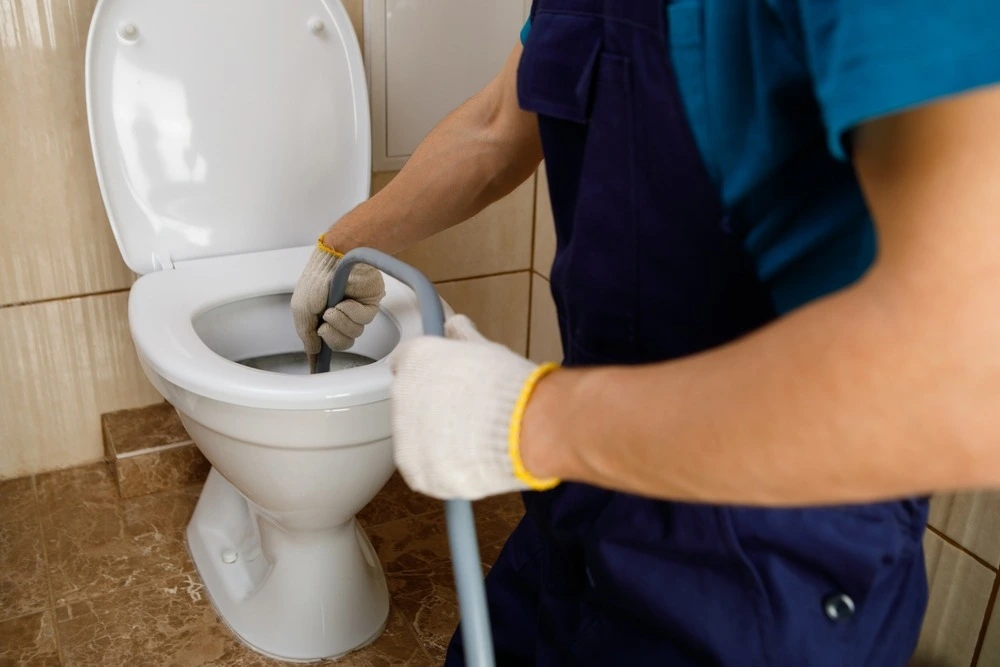
A common issue in pipes is the buildup of tree roots, causing significant obstructions. Other blockages that need professional plumbers include sludge, gunk, and solid waste that accumulate over time, acting like a dam in your plumbing.
The hydro jetting machine blasts through these obstructions, restoring proper flow. This high-pressure water jetting method is favored by plumbers because it thoroughly cleans the pipe, removing even the most stubborn debris and clogs that accumulate.
Dealing with Nasty Buildup
The unfortunate truth in plumbing is that heavy buildup in your pipes, sewer systems, or water lines can cause overflows. Sanitary sewer overflows happen a staggering 23,000 to 75,000 times annually in the US, often due to the buildup of unpleasant substances.
Ignoring early signs of blockage in your water supply line can lead to water damage. And also it leads to more expensive repairs down the line. Compared to that, dealing with tree roots might seem like a minor inconvenience.
Having a municipal sewer issue is a good idea to take care of right away to prevent problems.
Hydro Jetting for Tree Roots?
Invasive roots can create a significant mess in your home’s plumbing. So, can hydrojetting actually remove tree roots?
Absolutely. Hydro jetting uses high-pressure water to scour away roots, breaking them into small pieces. It clears the blockage caused by root intrusion.
It’s important to consider the age of your drainage system. Older lines might not be suitable candidates for jetting cleaning, as they may not withstand the high water pressure.
What Materials Can Hydro Jetting Remove?
Beyond tree roots, water jetting is incredibly effective at removing a wide range of materials. Its benefits extend to various types of blockages.
Here’s a list of what it can handle, showcasing why a jetting service can be a valuable tool for tough plumbing problems:
- Hair clogs
- Mineral deposits
- Grease, Oils, and Fat
- Food particles
- Silt
- Sand
- And yes, tree roots
Restaurant Plumbing and Hydro Jetting?
Hydro jetting’s benefits extend beyond residential use to commercial settings like restaurants. These high-traffic environments are good ideas for it. Restaurant kitchens, in particular, face a high volume of waste, leading to frequent plumbing issues.
Food and fat buildup, along with oils, contribute significantly to clogged sewage lines. The increased food waste makes restaurants perfect candidates for quality hydro jet cleaning.
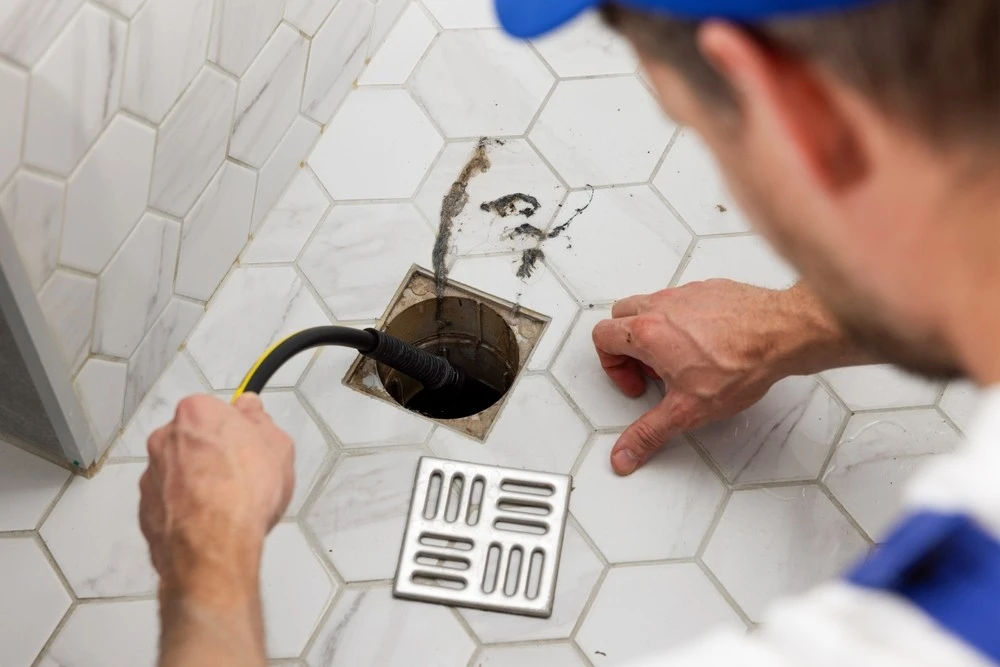
No restaurant owner wants to deal with these sewage line issues and clogged sewage. Preventative hydro jetting is a solution.
Hydro Jetting Compared to Other Cleaning Methods
Are other techniques for clearing blockages truly effective against hard blockages like sand or tree roots? Is traditional drain cleaning sufficient, or is the hydro jetting process truly necessary for thorough cleaning?
| Method | Best Use Cases | Limitations | Preventative |
|---|---|---|---|
| Hydro Jetting | Severe blockages like tree roots, heavy grease, stubborn clogs, and thorough cleaning of pipe walls. | High water pressure may not be suitable for older, damaged, or weak pipes. | Excellent |
| Snaking | Easier clogs, such as those caused by food particles or paper. | Often leaves behind particles and residual buildup in plumbing or drainage systems. | Some |
| Chemical Cleaners | Limited removal of small clogs and preventative maintenance. | Poses environmental risks and hazards. Ineffective against serious clog buildup, and can break pipe materials over time. | Moderate |
Is Hydro Jetting Good For Preventative Measures?
Absolutely, and any reputable plumber will agree. Hydrojetting equipment is often used for regular maintenance to keep lines and pipes healthy, not just for resolving major sewer system clogs.
Hydro jetting’s capabilities extend beyond residential plumbing. It’s useful for various situations, even for tasks like line inspection improving sluggish sewer flows, and clearing clogs before they become big problems.
Professional plumbers would agree that clearing clogs is only step one. Then regular jetting helps keep things clear.
How Long Does It Take to Perform Hydro Jetting?
Hydro jetting is both effective and efficient compared to traditional plumbing maintenance methods. The process is relatively quick, and you won’t experience significant disruption once the service is scheduled.
Typically, hydro jetting takes about 1.5 to 3 hours, possibly extending to 4 hours in larger or older homes. For most homes, the process is completed within 2 hours, allowing you to quickly enjoy the full benefits of a clean and free-flowing plumbing system.
If you’re looking into preventative maintenance to avoid having a hard blockage, you could do cleanings in under an hour. The reality of the jetting work time depends on what we are dealing with.
FAQ
What is the typical water pressure used in hydro jetting?
The water pressure can be adjusted. But it typically ranges from 1,500 to 4,000 PSI, depending on the severity and type of clog. This is the typical square-inch blast range for pressurized water.
Can hydro jetting damage my pipes?
When performed by a professional plumber, hydro jetting is generally safe. The initial camera inspection assesses pipe condition. The water pressure will shoot water through a sewer pipe at safe, but effective levels.
Is hydro jetting environmentally friendly?
Yes, hydro jetting is considered an environmentally friendly drain cleaning method. It doesn’t rely on harsh chemicals, using only high-pressure water to clear blockages.
Conclusion
Hydro jetting offers versatile solutions, for various plumbing issues. From clearing stubborn blockages to preventative maintenance, to maintain healthy pipes. This prevents further problems down the line.
People may hesitate to embrace new technologies due to concerns about costs or potential issues. This guide provides answers on how hydro jetting comes to life while showing its many benefits.
So, how does hydro jetting work? This powerful jetting service addresses clogging in sewer systems from multiple angles. If you’re ready for preventative plumbing or dealing with slow-moving water, contact a professional plumber today.
Contact us today for more information or to schedule a free consultation.