
Air duct cleaning is one of the simplest ways to improve the air your family breathes and help your HVAC system run efficiently. If you have noticed more dust than usual or a faint musty smell, your ductwork may be the reason. We overlook what we cannot see, and the ducts moving air through your home are easy to forget. Here are the air duct cleaning tips that matter most, including a few that may surprise you.
Key Points
- A typical six-room home builds up as much as 40 pounds of dust a year.
- Visible dust or mold near vents, reduced airflow, and a system working harder all signal it is time to clean.
- DIY air duct cleaning needs a shop vacuum, a vent brush, and basic protective gear.
- Clean ducts when building a new home or after major renovations to minimize buildup.
- Professional cleaning reaches deep into the system and covers every HVAC component.
Why Bother With Clean Air Ducts?
The air in your home travels through the ductwork many times a day, and like your lungs, indoor air quality suffers when dust and debris build up. The National Air Duct Cleaners Association reports that a typical six-room home accumulates up to 40 pounds of dust a year, which makes regular air duct cleaning important. Dirty ducts also drag down system efficiency and raise your energy costs.
How Do Your Air Ducts Work?
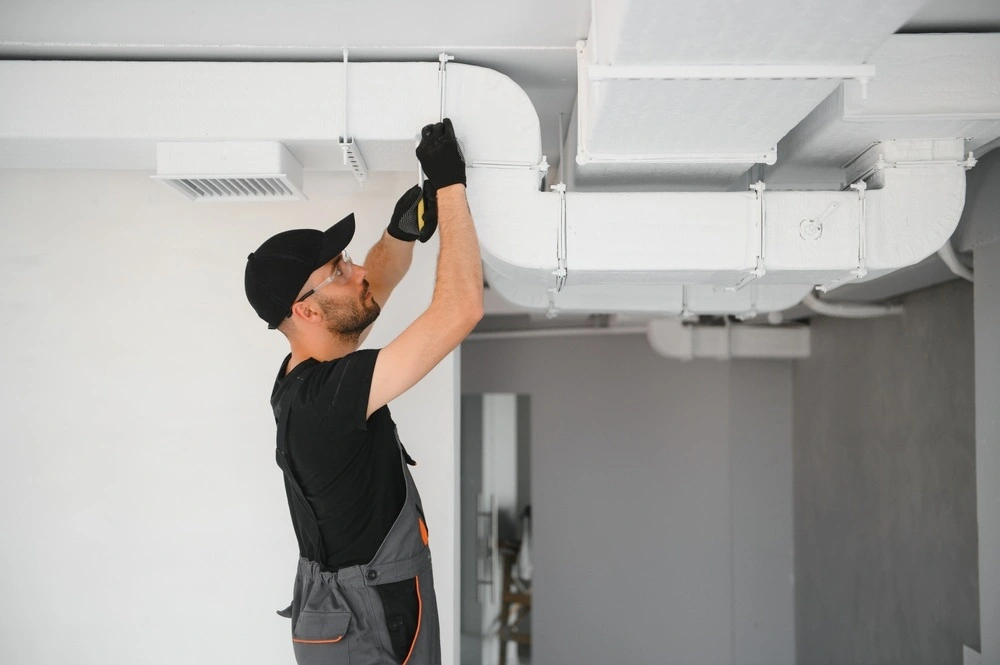
Your HVAC system runs ductwork to most rooms, in two types: return and supply. Supply ducts push heated or cooled air into rooms, and return ducts draw air back to the unit. A quick tissue paper test at a vent tells you which is which. Professional duct testing can help too, since it shows whether you need cleaning or a simpler fix like sealing a leak.
What Are the Signs It Is Time for a Cleaning?
Visible dust, debris, or mold near vent covers means cleaning is due. Reduced airflow and a system that works harder than it should are also signals. It is smart to clean ducts when building a new home or after major renovations, because construction creates significant dust, and cleaning at the start and end minimizes buildup.
How Do I Prepare for Air Duct Cleaning?
A well-planned approach prevents bigger problems. Gather your supplies before you start, since beginning without the right equipment can spread dust, pollen, and dander through the house. Protective gear like eyewear is well worth having on hand.
Essential Equipment to Help
- Shop vacuum with an extension hose, since standard vacuums cannot reach far enough
- Vent cleaning kit or a long-handled dryer vent brush to loosen stubborn debris
- Cordless screwdriver for removing and reinstalling vent covers
- Dish soap for washing vent covers
- Paper towels to cover vents and catch loose dust
- Microfiber cleaning cloths, ideally damp, to wipe surfaces
- Safety eyewear, a respirator, and gloves to protect yourself
How Do I Clean Air Ducts Myself?
Turn off the HVAC system to avoid safety issues, then remove the grill covers or vent registers. Use the screwdriver to gently loosen stuck grills, and wash them with dish soap and water. Cover the supply vents you are not cleaning with paper towels, then tap the inside of the duct with the brush handle to release dirt, debris, and any mold. Set the thermostat to the fan only setting so the loosened dust moves toward easier spots for the shop vacuum.
Getting In and Scrubbing
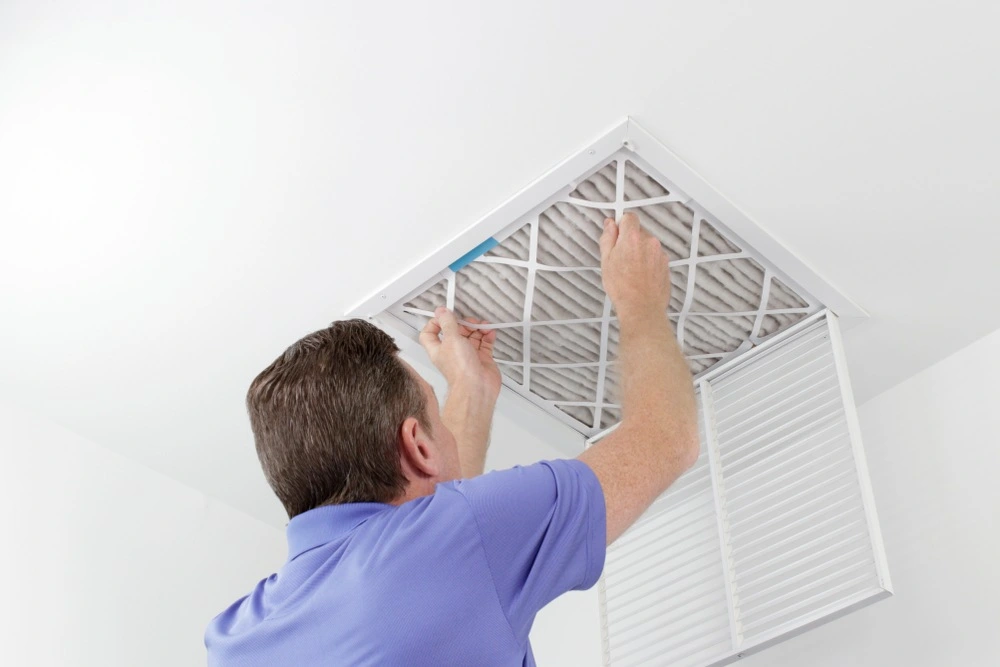
Start at the furthest reachable point with your vent cleaning kit, twist the brush head, and gently pull the loosened debris out into a garbage bag, then repeat in the other runs. Wear your protective gear to reduce contact with dust, and secure the vacuum extension so it does not get lost in the ductwork. Replace the HVAC air filter with a new one, reinstall the grilles and covers, and turn the system back on once everything looks clean. These DIY steps improve air quality, though a professional cleaning still reaches deeper than most homeowners can.
How Do I Choose a Professional?
Professional air duct cleaning uses specialized skills and equipment, which matters most when there is mold or vermin or you simply want cleaner indoor air. The National Air Duct Cleaners Association recommends cleaning every component of the HVAC system: the air ducts, coils, drain pan, registers, grills, air plenum, blower motor, heat pump, and the filter. For a thorough job, our HVAC maintenance team covers the whole system, and if a duct leak turns up, our HVAC repair team can seal it.
How Do I Maintain Clean Air Ducts?
Maintenance keeps your system clean and your indoor air fresh, and it improves your overall air quality. Keeping ducts free of dust and buildup is not difficult, and it supports better furnace performance too. A few easy habits go a long way:
- Change air filters as recommended, usually monthly or every few months, using high-quality options
- Clean around registers with a brush and wipe visible buildup with a cloth
- Do dryer vent cleaning as needed to improve efficiency
These steps minimize the need for major duct service. Also check plumbing areas and closets for wetness to prevent mold, and if you find any, call a professional promptly. An annual plumbing inspection is a smart habit that can even help your air conditioning system run better.
How Do I Keep Indoor Air Quality High?
Clean ducts, paired with air purification, improve air circulation and keep your furnace working well, since a dirty furnace causes airflow problems. Address standing water and plumbing leaks so contaminants do not get trapped in the system. Avoid moisture-spraying methods, especially steam, because trapped water carrying pollutants creates its own problems. If you want cleaner air at the source, ask about our HVAC UV light installation.
Frequently Asked Questions About Air Duct Cleaning
How often should I have my air ducts cleaned?
For most homes, professional air duct cleaning every 3 to 5 years is a reasonable baseline. Clean sooner if you see visible mold, notice a musty smell, have pets that shed heavily, or just finished a renovation. Regular filter changes between cleanings keep buildup down.
Can I clean my air ducts myself?
You can handle basic cleaning with a shop vacuum, a vent brush, and protective gear, which improves air quality noticeably. However, a professional reaches deep into the system and cleans components you cannot access on your own, so a DIY pass and periodic professional cleaning work best together.
Does air duct cleaning help with allergies?
It can. Clean ducts and fresh filters reduce the dust, pollen, and mold spores circulating through your home, which helps households sensitive to allergens. Pairing duct cleaning with air purification improves the effect.
Will clean air ducts lower my energy bills?
Clean ducts and a clean furnace improve airflow, and better airflow helps your system run more efficiently. Dirty ducts and clogged filters force the system to work harder, which raises energy use. Regular cleaning and filter changes support lower operating costs over time.
Breathe Easier With Cleaner Air Ducts
Air duct cleaning, whether DIY or professional, enhances your indoor air and your HVAC efficiency, and it can even lower future maintenance costs. Consistent habits bring real improvements in dust, pet odors, and ventilation, and a clean, efficient system means fewer frustrations down the road. As a veteran and woman owned team with a 4.8 star rating and more than 1,400 five star reviews from your neighbors, we deliver solutions, not excuses. Contact our team today to schedule a consultation.