Enhance Home Comfort During the Warmer Season
Spring is a time of renewal, but it can also reveal plumbing problems that go unnoticed during the winter months. Implementing essential springtime plumbing tips can prevent small issues from turning into disasters. Paying attention now helps save time, money, and frustration. With our essential spring plumbing tips, you can experience exceptional home comfort.
Homeowners often don’t realize the strain winter weather puts on their plumbing systems. Freezing temperatures, snow, and ice can impact pipes, drains, and outdoor fixtures.
That’s where these spring plumbing tips come into action, helping you address potential issues before they escalate.
Start Your Spring Plumbing Inspection
Many things can be lurking undetected over the cold season. Taking some time for key checks helps you to discover problems early.
Start by systematically examining all accessible pipes. Go through bathrooms, the kitchen, the basement, and any crawl spaces.

Look closely for any dampness, discoloration, or bulging areas around pipe joints and connections. Even minor damp spots could signal a tiny leak that has the potential to expand.
Take time to also inspect your washing maker supply hoses. Search specifically for bulges or leaks, these can signify the deterioration of your machine’s hoses.
Check Faucets and Showerheads
Turn on all faucets and showerheads, both indoors and outdoors. Watch for any dripping even after the water is completely turned off.
This dripping could be a small problem that has a huge impact on water usage. Also, check the water flow.
Is it consistent and strong, or do you notice reduced pressure? Low pressure can sometimes indicate a hidden leak, and it’s useful to keep everything working correctly.
Consider cleaning your shower heads. Mineral deposits can build up over time, impacting the water flow.
Soaking the shower head in vinegar overnight can help dissolve those deposits. Also, consider using a water filtration system if your home regularly has mineral deposit issues.
Toilet Troubles? Time for a Check-Up
Your toilets might be silently wasting water. Add a few drops of food coloring to the toilet tank.
If the color shows up in the bowl after a few minutes (without flushing), that means you have a leak. You should make sure that your toilets flush properly at all times.
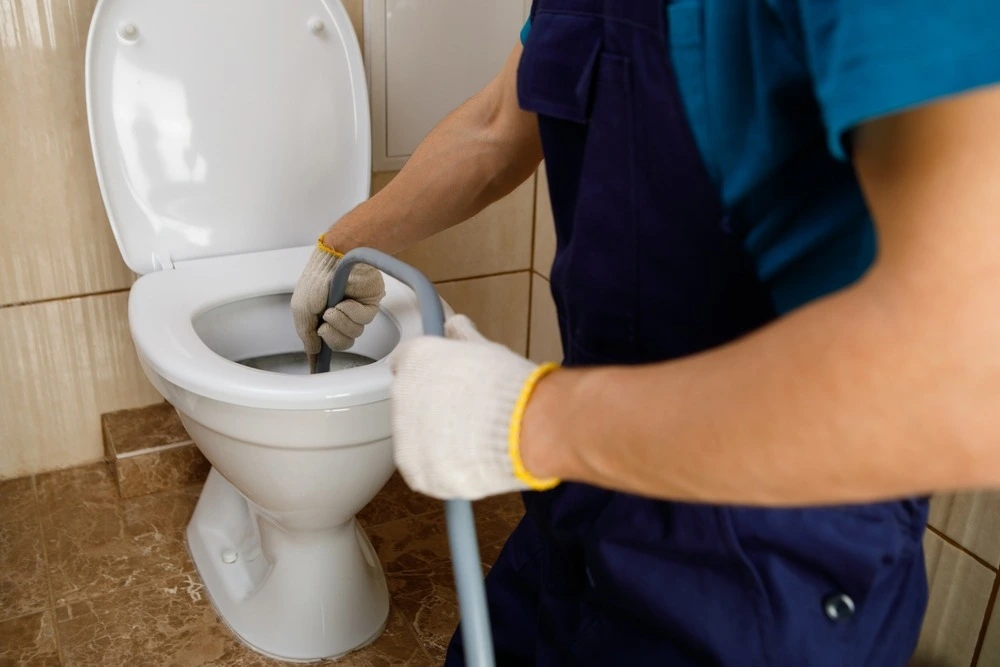
Inspect the toilet tank and bowl closely. Look for any cracks, even tiny ones, as these could get bigger over time and should be fixed by professional plumbing services.
Sump Pump Savvy
If you live in an area prone to heavy rains, you possibly have a sump pump. Testing your sump pump operation helps a lot.
Pour a bucket of water into the sump pit to confirm that the pump activates as it should. Clearing away any debris inside the sump pump helps to keep it fully operating.
This will avoid blockages. A blocked sump can lead to basement flooding, causing significant water damage.
Water Heater Wellness
Give your water heater a little TLC. Check the temperature setting on the heater tank to stay safe.
Keep it at or below 120°F (49°C) to reduce scalding risk. It also might be beneficial to consider draining a few gallons from your water heater tank.
Sediment accumulates and reduces water quality. This maintenance practice promotes efficient performance, extends the life of your unit, enhances overall performance, and may even indicate if you need a water heater repair.
Older water heaters (over 10 years old) could be nearing the end of their lifespan. Replacing your water heater proactively reduces the risk of a sudden failure.
Don’t Forget the Outdoors for Your Spring Plumbing Tips
Outdoor faucets and sprinkler systems take a beating during winter. Turn them on and look carefully for leaks or irregular spray patterns.
Replacing any damaged parts can prevent water waste later. Be sure to check outdoor faucets regularly.

Take some time now to inspect all your outdoor fixtures. Verify the spigots and even look over the sprinkler system’s operation, checking for things like a broken sprinkler head.
Examine garden hoses, and look closely at the lines or connectors for physical damage. Address it now before it impacts your ability to care for plants in the future.
Blocked gutters can cause rainwater to back up. The pooling that comes with a clean gutter could seep into your home’s foundation or damage your roof, so spend time on gutter upkeep.
Here’s a useful table summarizing outdoor spring plumbing maintenance tasks:
| Fixture | Check For | Action |
|---|---|---|
| Outdoor Faucets | Drips, leaks | Tighten connections, and replace washers if needed |
| Sprinkler System | Irregular spray, leaks | Replace damaged heads, clear clogs |
| Garden Hoses | Damage to connectors or the lines | Repair small leaks or replace them entirely |
| Gutters & Downspouts | Debris buildup, blockages | Remove blockages, then test flow with water. |
Checking for Plumbing Leaks Indoors
Hidden leaks often reveal themselves through increased water bills. Keep tabs on water use patterns to spot those potential surprises.
Leaks in your bathroom are another thing to think through and resolve if you come across this problem. Sometimes leaks start where you never thought, like inside walls or under floors, a leaky pipe can be hard to find sometimes.
Checking various places in your home will help minimize water use issues. Check out some of these less thought-of areas:
- Washing machine hoses: Often cracks form on these washing hoses.
- Ice maker supply: Look for any signs of wear or leaking around the ice maker supply hoses.
- Toilet tanks: Sometimes the toilet tanks break and lead to leaks with spontaneous fills of the water valve.
Be sure to act promptly when it comes to checking various areas for water buildup or damage. Early attention reduces a massive hit to your monthly spending plan.
Tackle Drain Challenges
Slow-draining sinks or tubs are annoying. Often there could be some gunk clogging them up, like hair and soap scum building up in the kitchen sink.
Make sure your sink’s lint trap is clear. Simple cleaning sometimes solves the problem. You can also try pouring boiling water mixed with dish soap down your sink drain.

If those slow drains persist, however, it could be a bigger issue deeper within your plumbing system. You may have an issue within your drain lines and should consider professional drain cleaning.
Hard Water Issues?
Many areas of the country have what is known as hard water. A water softener balances harsh minerals.
These help water softening systems by removing excess calcium and magnesium. You might notice a change in the texture of your hair and skin.
Installing or properly maintaining your water softener impacts daily quality of living. Also, consider a water filtration setup.
Think about a water softener for reducing any mineral build-up inside pipes and appliances. Also, your dishes and your clothes will be improved by removing the harder components.
Springtime Plumbing Tips For Your Septic System
Those who have septic tank systems have to plan ahead. Winter weather causes serious wear and tear on devices like this, especially with water levels increasing during the spring season.
This makes regular inspections useful. Also, consider the age of the system overall.
You want a qualified septic inspector to come to your home and check the sump and other things. Make sure no landscaping efforts have a negative effect on the health and wellness of your system.
Heavy items might impact the tanks and the connecting components. Also, plants could have roots growing into crucial underground lines and yard drains.
Check Vent Pipes
It is a good idea to do a visual inspection of your plumbing vent pipes. Sometimes things like leaves can clog up vent pipes.
Sometimes you might even find bird nests clogging it. Keeping your plumbing vent clear prevents bigger issues.
Grey Water Solutions
Depending on your situation, you might be able to divert the washing machine, shower, and other non-sewage water supply. This strategy is typically known as using a grey water system.
You will have to consider the local jurisdiction and building codes if going down this path. Consider that this lessens the stress on your plumbing system during intense rains.
This keeps your mind free from worry with potential overflowing or backing up concerns. Grey water solutions could be helpful for lowering bills related to overall monthly water use.
Conclusion
Taking a proactive approach to maintaining the plumbing during this spring is essential. It’s the way to go if you seek a year filled with plumbing ease. Simple maintenance routines lead to lower utility bills as well.
Many potential plumbing problems start slowly and gradually get worse with more complications. Consistent attention reduces those types of challenges from starting in the first place.
Don’t get too overwhelmed, it only takes a tiny bit of action, like spring clean efforts to get more comfortable and secure. Following these tips during spring will allow you to save in the long term and avoid plumbing check costs.
Make sure to regularly inspect toilet components, your water heater, and any outside exposed pipes.
Contact us today for more information or to schedule a free consultation.