
Enhance Your Indoor Air Quality
Many of us view spring as a time for blooming flowers. However, for some, it’s the start of a dreaded allergy season. One often overlooked factor is how air quality before allergy season plays a crucial role in your comfort during the spring months.
We can address some simple actions you can take right now. These actions relate to the improvement of air quality before allergy season.
The air we breathe, both indoors and outdoors, is often overlooked, yet it significantly impacts us. Even those not previously affected by allergies are noticing impacts with increasing frequency.
Understanding the Connection Between Air Quality and Allergies
Pollen season starts earlier and lasts longer. Allergic reactions to pollen have increased in both frequency and intensity worldwide.
The visible yellow-green powder on outdoor furniture signals this shift. Itchy eyes and runny noses are common symptoms.
Climate Change: Making Things Worse for Allergy Sufferers
Rising global temperatures lead to earlier springs. This, combined with higher levels of carbon dioxide, affects seasonal misery. Both of these act together.
Pollen becomes more potent, so even those mildly affected can find it unbearable. Longer pollen seasons mean you can become sensitized.
Higher atmospheric carbon dioxide levels cause more pollen production. These levels drive changes in our air. Research shows that air pollution, with its toxins, amplifies allergic reactions, affecting everyone.
Air Pollution, Stress, and Increased Pollen
Air pollutants like ozone can reduce lung function and harm respiratory systems. Air pollution also affects nature itself.
Plants react to pollution. Air pollutants alter the chemical makeup of pollen, resulting in a stronger allergic response.
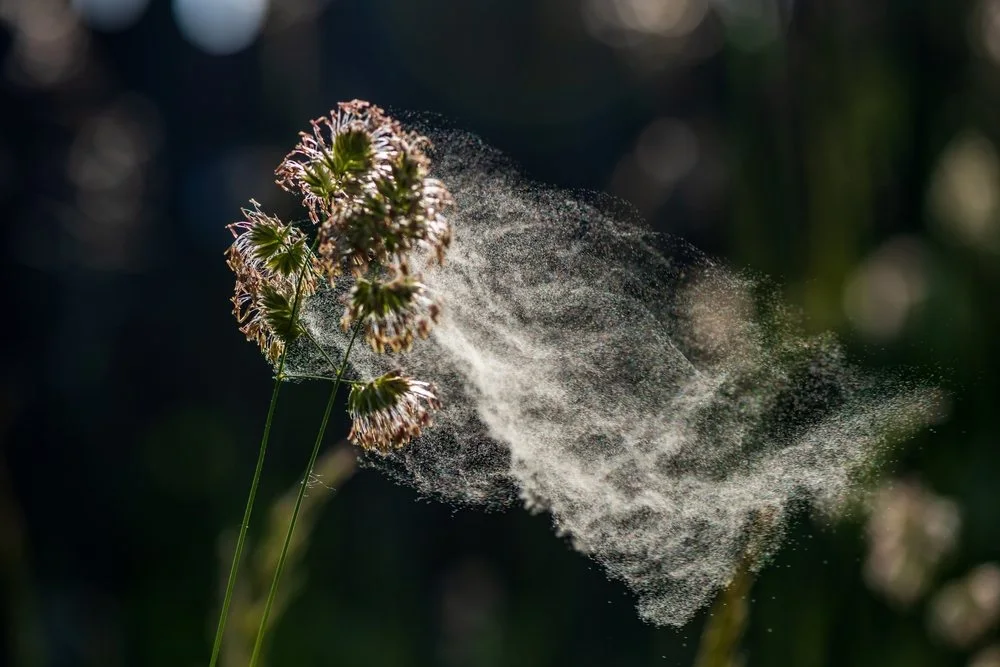
Researchers found that grass pollen from city areas caused a bigger reaction in allergy testing patients than less-polluted grass pollen. The body rejects poorer air quality more intensely. This adds support to research showing pollutants negatively impact respiratory responses.
Air Quality in Our Own Homes
What about keeping air quality in control? It might seem like stepping inside would instantly ease your allergy troubles. However, consider how much time you spend indoors compared to outdoors.
We often sleep with bedroom windows closed. We also use air conditioning during warmer weather. Fortunately, there are solutions.
Here is How to Manage Poor Air Quality at Home Before Allergy Season
We have simple choices available. These options require some planning to address potential allergy situations.
The EPA provides guidance on improving indoor air quality. They suggest using zippered allergen-resistant or plastic covers on pillows and mattresses. You can also replace your fabric window coverings with shades.

Indoor air needs attention. Protecting mattresses alone won’t fully address the issue. Air quality matters significantly because so much of our lives revolve around our indoor spaces.
Air Pollution and Weakened Defenses
Our defense against allergies is compromised by pollutants. Particles we breathe damage the delicate linings of our breathing passages. This removes the natural protection against airborne particles.
Our system then struggles more, leading to increased sensitivity. A compromised system makes dealing with airborne irritants more difficult. Instead of pollen flowing by, you may react with irritation.
Researchers confirm that traffic-related diesel exhaust particles can increase levels of the body’s IgE antibody, causing more inflammation. This research indicates that it heightens symptoms in people. Particulate matter and tobacco smoke can also worsen asthma symptoms and cause respiratory infections.
Managing Indoor Allergens for Better Health
Making helpful changes involves making conscious choices. Consider allergy testing before symptoms start to understand your needs. Simple habits provide significant relief from indoor issues during peak pollen seasons.
Airflow management makes a difference in homes, too. A little care prevents air quality issues from worsening. Consider these aspects for significant improvements:
Allergen Management
| Strategy | What To Do | How It Helps |
|---|---|---|
| Pollen Control | Keep windows closed, using AC | Limits exposure, intake, and spread of dust. |
| Pet Care | Keep animals out of bedrooms and vacuum frequently. | Minimizes fur where allergies and sleep issues might occur. Consider pet allergy solutions. |
| Dust Prevention | Use HEPA filters, replace fabrics | Reduces dusty spaces for those with respiratory sensitivities. Control dust mites. |
| Routine Cleaning | Vacuum carpets often with a good machine | Reduces allergens on carpets. Helps to prevent dust mite issues. |
| Air Purifier | Use an air purifier. | Helps with indoor allergens, so you can improve indoor air. You want to improve indoor air quality. |
Reducing allergy and respiratory problems is important for comfort and sleep. It’s beneficial to explore resources like the American Academy of Allergy, Asthma & Immunology. They are a leading patient organization and a not-for-profit organization founded to help.
Longer Pollen Seasons Coming With Global Climate Problems
Pollen seasons are lengthening, with increased intensity due to global climate change. Many people will experience broader impacts. Those with nasal allergies are particularly at risk.
Conditions like asthma may increase. With poor overall air quality, the body works harder. Protecting indoor air becomes more critical.
Managing personal risk is the first step in addressing indoor allergies and breathing issues. Look into your local Asthma Capitals to check your local allergy forecast. External factors are difficult to control individually.
Practical Steps to Prep for Pollen Season Now
Tracking forecasts helps you stay ahead in personal management. Be proactive with air filtration to manage breathing sensitivities indoors. You can find an allergy diagnosis and allergy treatments.
Knowing conditions offers an advantage in planning your days. Consider the air beyond immediate comfort. Keeping an eye on air quality and climate impacts prepares everyone and raises sensitivity.
It’s crucial for broader regional plans, to encourage cooperative efforts to handle airborne hazards during seasonal changes and increased respiratory reactions globally.
Consider getting a physical exam if issues persist, especially for older adults. Sometimes doctors use lung function tests to be sure. You may also want to follow vaccine recommendations to protect yourself.
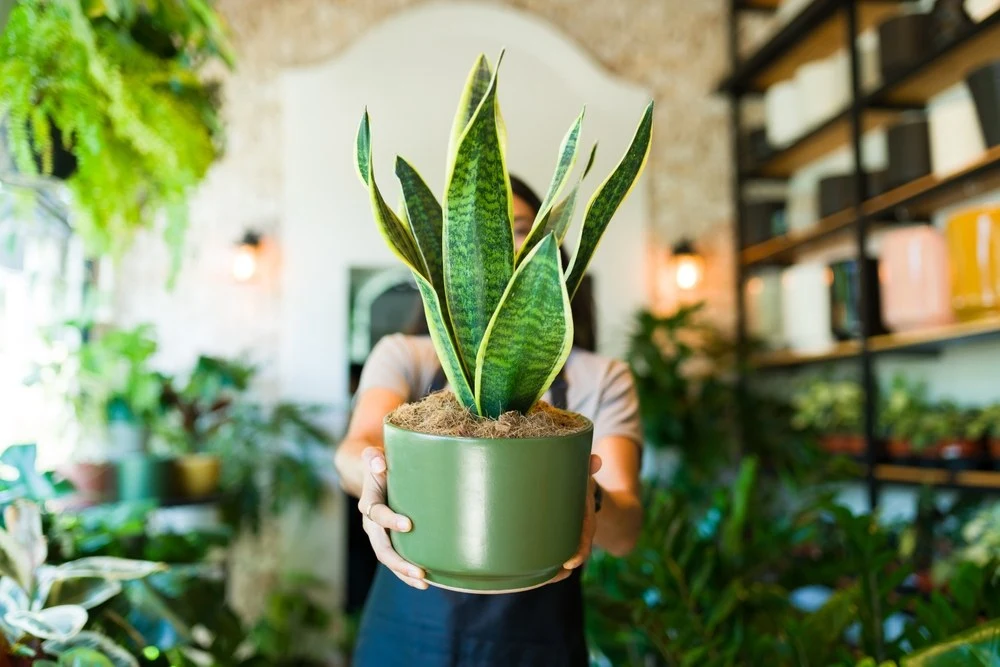
Try adding plants to your home that will enhance your indoor air quality like snake plants.
Understanding Ozone’s Role in Worsening Allergy Symptoms
Ozone, a key air pollutant, significantly intensifies symptoms for allergy sufferers. Allergic conjunctivitis is also often a problem.
Exposure to ozone increases respiratory burden. Research confirms ozone is a key factor affecting those with pollen concerns. Watch out for the September asthma peak.
Frequently Asked Questions (FAQs)
What is allergic asthma, and how can I manage it?
Allergic asthma is triggered by allergens like pollen, dust mites, and pet dander. Managing it involves avoiding triggers. Use medications as prescribed by your doctor, and consider getting an asthma action plan.
The asthma action can give you a path forward while being proactive about asthma triggers. It can even help with managing asthma for conditions such as work-related asthma.
What should I do if I suspect a food allergy?
If you suspect a food allergy, consult an allergist for testing and diagnosis. Avoid suspected trigger foods. Learn to read food labels carefully to manage food allergies.
How do oral corticosteroids work for allergy and asthma treatment?
Oral corticosteroids reduce inflammation in the airways, easing asthma and allergy symptoms. They are typically used for short-term relief. Always follow your doctor’s instructions. Asthma treatment needs to be monitored.
Always ask for an asthma diagnosis to check for any asthma-like conditions. Asthma prevention starts with asthma medicines.
Improve Air Quality Before Allergy Season: Conclusion
Improving air quality before allergy season is often overlooked. It involves simple tasks at home, such as regular cleaning and maintaining filters.
Our individual spaces offer opportunities for positive changes. Understanding patterns and addressing air quality provides peace of mind. It prepares you to deal with issues before an allergic reaction occurs, even for those with allergic diseases.
For resources, consider looking into the Asthma and Allergy Foundation of America.
Contact us today for more information or to schedule a free consultation.