Table of Contents
A dirty evaporator coil makes your air conditioner work harder, costs you more money, and can make your home less comfortable. The most common dirty evaporator coil signs include reduced cooling, higher energy bills, strange smells, unusual noises, ice formation, water leaks, and poor air quality. When you notice these problems, it’s time to clean your evaporator coil or call a professional for help.
What Is an Evaporator Coil?
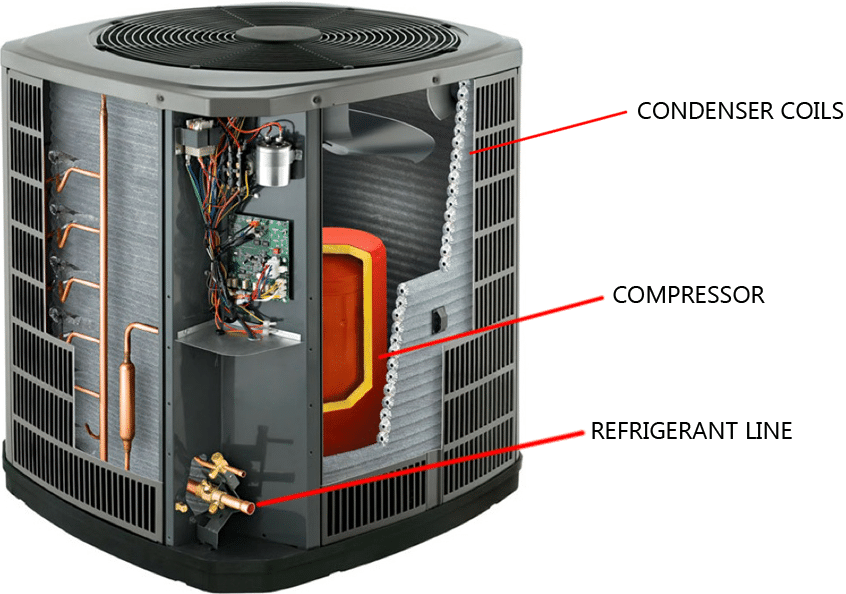
An evaporator coil is a key part of your air conditioning system. Think of it as the part that makes the air cool. It looks like a big metal radiator with many fins. The coil sits inside your home, usually above your furnace or inside your air handler.
The evaporator coil works by absorbing heat from the air in your home. Cold refrigerant flows through the coil. As warm air passes over the coil, the refrigerant absorbs the heat. This makes the air cooler before it blows back into your home.
Without a clean, working evaporator coil, your AC can’t cool your home properly. That’s why knowing the signs of a dirty coil is so important for keeping your home comfortable and your energy bills low.
Why Evaporator Coils Get Dirty
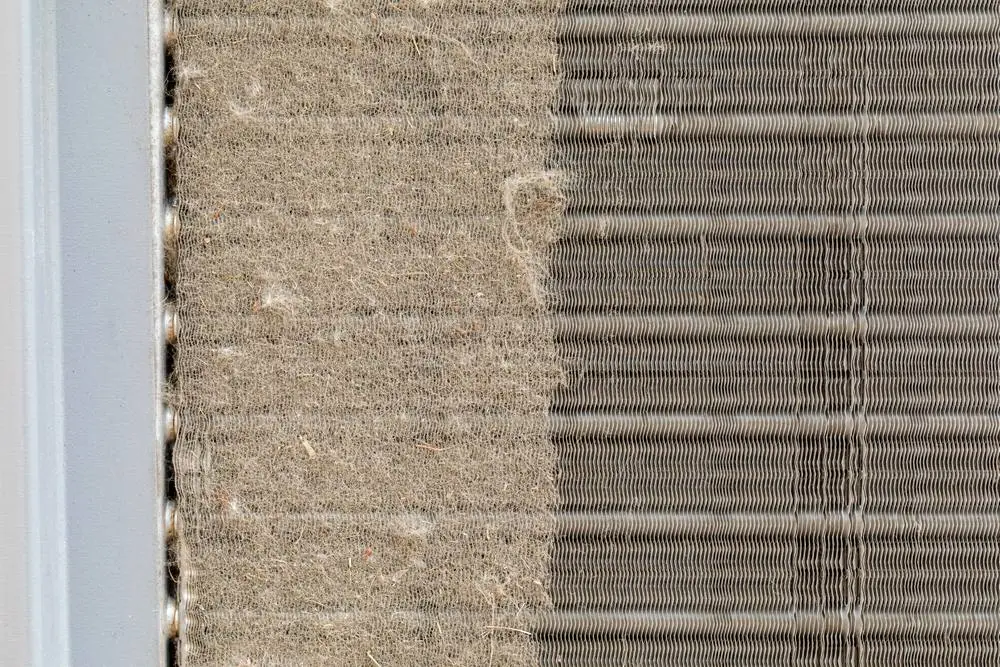
Evaporator coils get dirty for several reasons. The main cause is dust and dirt in your home’s air. As air flows through your AC system, these particles stick to the coil. Over time, they build up and create a layer of grime.
Common Causes of Dirty Coils
- Dirty air filters – When filters are clogged, more dust gets past them and onto your coil
- Pet hair and dander – Homes with pets often have more particles in the air
- Smoking indoors – Tobacco smoke leaves sticky residue on coils
- Poor duct sealing – Leaky ducts pull in dirty air from attics or crawl spaces
- Lack of maintenance – Not having regular AC check-ups allows dirt to build up
Another reason coils get dirty is moisture. The evaporator coil naturally collects condensation as it cools the air. This dampness can trap more dirt and even lead to mold growth if the coil stays wet.
Regular maintenance helps prevent these problems. Changing your air filter every 1-3 months is the easiest way to keep your evaporator coil cleaner longer.
7 Signs of a Dirty Evaporator Coil
When your evaporator coil gets dirty, your AC system will show several warning signs. Here are the seven most common dirty evaporator coil signs to watch for:
1. Reduced Cooling Performance
The most obvious sign is that your home doesn’t get as cool as it should. You might notice:
- Your AC runs longer but doesn’t reach the temperature on your thermostat
- Some rooms feel warmer than others
- The air coming from your vents isn’t as cold as usual
A dirty evaporator coil can’t absorb heat properly. This means less cooling power for your home, even when your system is running at full blast.
2. Higher Energy Bills
When your evaporator coil is dirty, your AC works harder and longer to cool your home. This extra work shows up on your energy bill. You might notice your electricity costs going up, especially during hot months.
According to the U.S. Department of Energy, a dirty coil can increase your energy use by up to 30%. That’s a big jump in your monthly bills just because of some dirt!
3. Strange Smells
Dirty evaporator coils often create musty or moldy smells. When dirt builds up on the moist coil, it can become a breeding ground for mold and bacteria. When your AC runs, these smells blow through your home.
You might notice:
- A musty odor when the AC first turns on
- A sweet, chemical smell (which could be refrigerant leaking on the dirty coil)
- A general “dirty sock” smell coming from your vents
These smells aren’t just unpleasant—they can affect your home’s air quality and your family’s health.
4. Unusual Noises
A clean AC system should run quietly. When the evaporator coil gets dirty, you might hear new noises like:
- Hissing or bubbling (from refrigerant not flowing properly)
- Banging or rattling (from the system working harder)
- Whistling sounds (from air trying to move through a clogged system)
These noises happen because the dirt makes your system struggle. Parts have to work harder, which creates more vibration and noise.
5. Ice Formation on the Coil
One of the most serious dirty evaporator coil signs is ice building up on the coil or refrigerant lines. This happens because:
- Dirt acts as insulation, making the coil too cold
- Airflow is reduced, not allowing enough warm air over the coil
- The extra-cold coil causes moisture to freeze instead of drain away
If you see ice on your AC components, turn off your system right away. Running an iced-up AC can damage your compressor, which is very expensive to replace.
6. Water Leaks Around Your AC Unit
A properly working AC system drains condensation away through a drain line. When the evaporator coil is dirty, several things can happen:
- The drain pan can overflow with extra condensation
- The drain line can get clogged with algae that grows in the dirty environment
- Ice that forms on the coil can melt and cause water overflow
Water leaking around your indoor unit is a clear sign something is wrong. It could be a dirty evaporator coil causing drainage problems.
7. Poor Indoor Air Quality
The last major sign is worsening air quality in your home. You might notice:
- More dust settling on surfaces
- Family members with allergies having more symptoms
- The air feeling stuffy or humid
A dirty evaporator coil can’t remove humidity properly. It can also become a source of mold spores and bacteria that get blown throughout your home.
How to Check for a Dirty Evaporator Coil
If you suspect your evaporator coil is dirty, you can do a basic check yourself. Here’s how:
Safety First
Before checking your evaporator coil, always:
- Turn off power to your AC system at the thermostat and circuit breaker
- Wait 30 minutes for components to cool down
- Gather a flashlight, screwdriver, and mirror
Locating Your Evaporator Coil
Your evaporator coil is inside the indoor unit of your AC system. Depending on your setup, it might be:
- Inside the air handler in your attic or utility closet
- Above your furnace in a metal A-frame case
- Inside a dedicated air handler cabinet
You’ll need to remove an access panel to see it. This usually requires removing a few screws or latches.
Visual Inspection
Once you’ve opened the access panel:
- Use your flashlight to look at the coil (it looks like a radiator with many fins)
- A clean coil should be bright and shiny (usually copper or aluminum color)
- A dirty coil will have visible dust, dirt, or a gray/black coating
- Check for any signs of mold (green or black spots)
- Look for ice formation or excessive moisture
If you can’t see the coil directly, use a small mirror to help view it. Even a small amount of visible dirt means your coil needs cleaning.
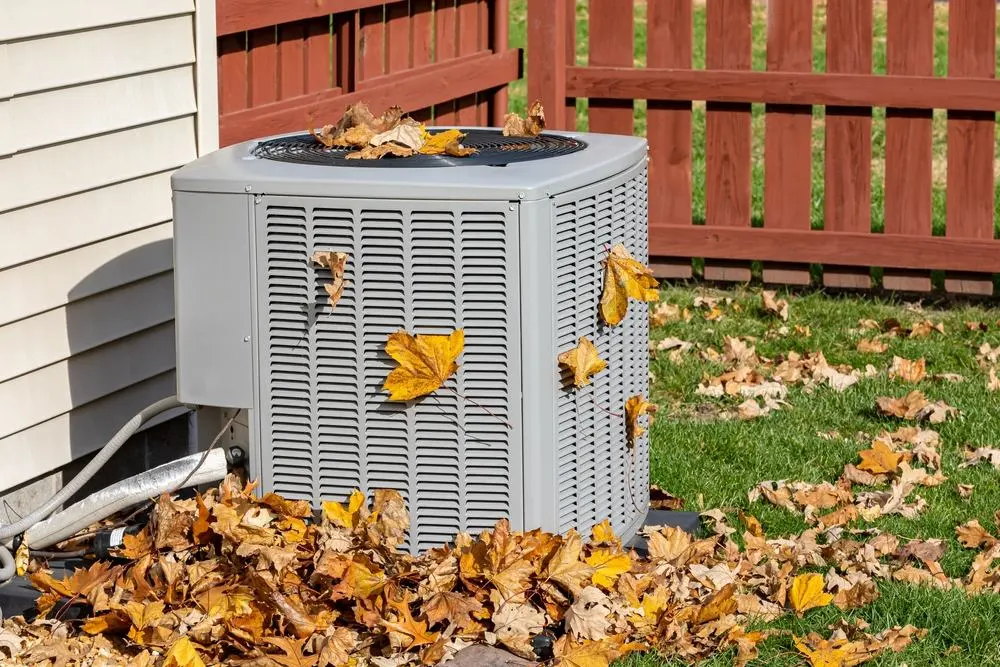
Cleaning Your Evaporator Coil
If you’ve found dirty evaporator coil signs, you have two options: clean it yourself or hire a professional. Here’s what you should know about DIY cleaning:
DIY Cleaning Methods
For light dirt and dust, you can try these methods:
No-Rinse Foaming Cleaner:
- Purchase a no-rinse evaporator coil cleaner from a hardware store
- Turn off your AC system completely
- Spray the foam cleaner on the coil according to product directions
- The foam will expand, clean the coil, and drip into the drain pan
- No rinsing needed – the condensation will wash away residue
Gentle Brushing:
- Turn off your AC system
- Use a soft brush (like a paintbrush) to gently remove loose dirt
- Brush in the direction of the fins to avoid bending them
- Vacuum up loose dirt with a shop vac
Preventive Maintenance
To keep your evaporator coil cleaner longer:
- Change your air filter every 1-3 months
- Have your ducts cleaned if they’re very dirty
- Keep your home clean to reduce dust in the air
- Schedule yearly professional maintenance
Regular maintenance is much easier and cheaper than dealing with a severely dirty coil. An ounce of prevention is truly worth a pound of cure when it comes to your AC system.
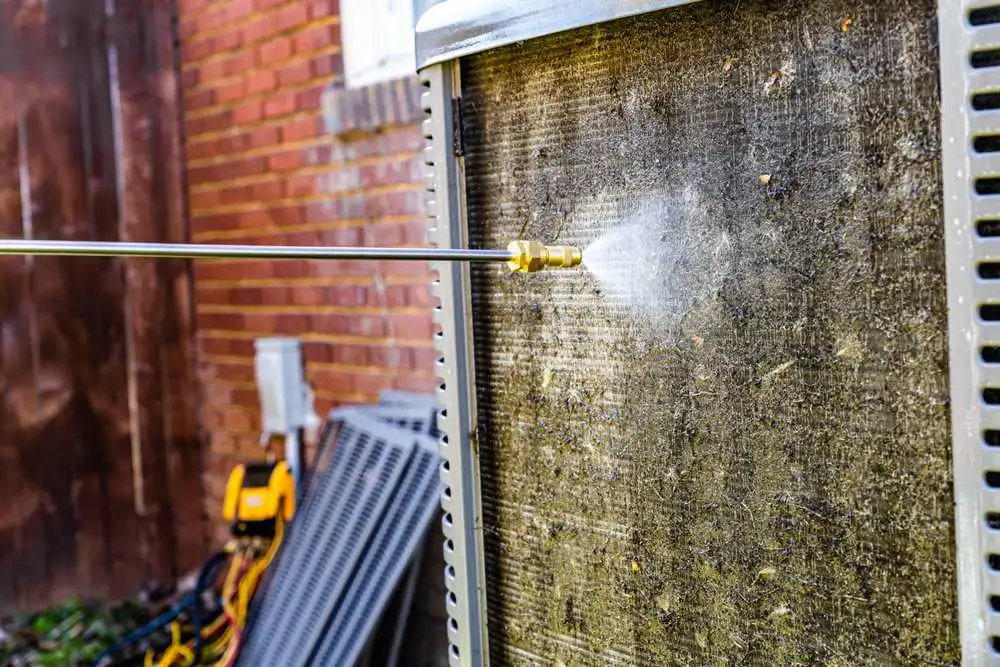
When to Call a Professional
While some coil cleaning can be done yourself, there are times when you should definitely call a professional:
Signs You Need Professional Help
Contact an HVAC technician if:
- You see heavy dirt buildup that simple methods won’t remove
- There’s visible mold growth on the coil
- You notice ice formation that returns after defrosting
- Your AC is leaking water even after basic cleaning
- The coil has bent or damaged fins
- You’re uncomfortable working with your HVAC equipment
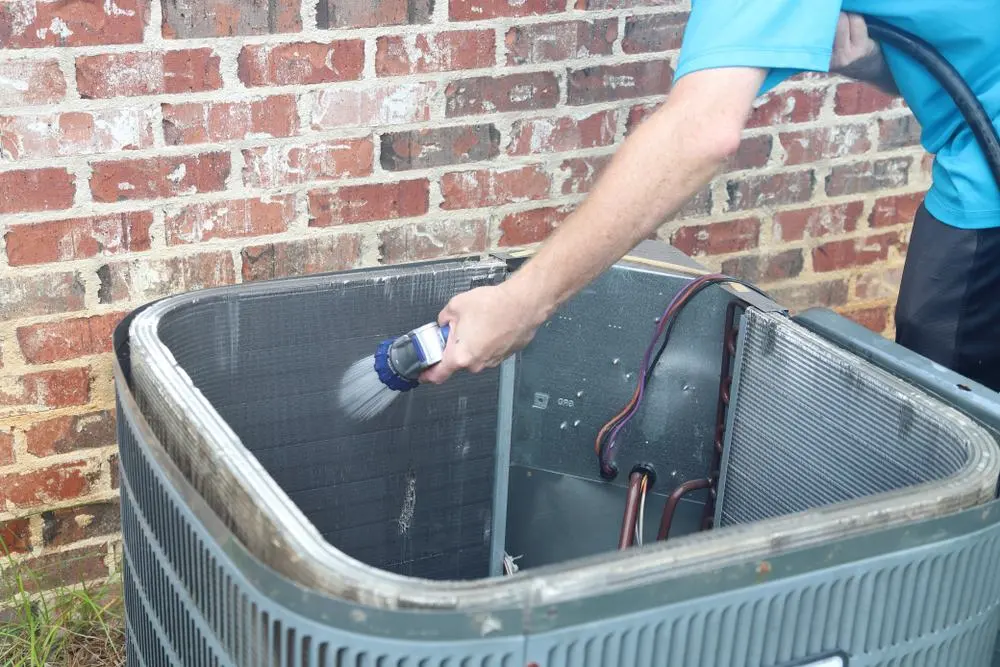
Professional cleaning is more thorough and safer for your system. Technicians have specialized tools and cleaners that can remove stubborn dirt without damaging the delicate coil fins.
What Professional Cleaning Includes
When you hire a professional, they typically:
- Inspect the entire system, not just the coil
- Use professional-grade cleaning solutions
- Clean both sides of the coil thoroughly
- Check and clean the condensate drain
- Straighten any bent fins with a fin comb
- Test the system after cleaning to ensure proper operation
A professional cleaning costs between $100-$400 depending on your location and system size. While this might seem expensive, it’s much cheaper than replacing a damaged coil or entire AC system.
Finding a Qualified Technician
Look for technicians who:
- Are licensed and insured
- Have good reviews online
- Offer a maintenance plan for regular service
- Provide upfront pricing before starting work
A good technician will explain what they’re doing and why. They should also give you tips to keep your system running efficiently between professional cleanings.
Frequently Asked Questions
How often should evaporator coils be cleaned?
Most systems should have the evaporator coil cleaned once a year, especially before peak cooling season. If you have pets or live in a dusty area, twice a year may help prevent airflow blockages and energy waste.
Can a dirty evaporator coil cause my AC to stop working completely?
Yes, a dirty coil can lead to ice buildup and trigger a system shutdown to protect your equipment. If ignored, it may cause your compressor to overheat and fail, leading to expensive repairs or even full unit replacement.
How much does professional evaporator coil cleaning cost?
Professional coil cleaning usually costs between $100–$400 depending on system layout and local rates. Many HVAC companies include this in yearly maintenance plans that cost less overall and include other system checks too.
Will a dirty evaporator coil affect my health?
Yes, when a coil is dirty, mold and bacteria can build up and circulate through your home. This can trigger allergies or worsen asthma, especially for people sensitive to airborne irritants.
How long does it take to clean an evaporator coil?
Most professional cleanings take 1–2 hours, depending on how dirty the coil is and how easily it can be accessed. Add 30–60 minutes if it needs drying before safely restarting the system.
Can I prevent my evaporator coil from getting dirty?
You can’t prevent it completely, but changing filters monthly and keeping your home dust-free really helps. Using a high-quality air filter and scheduling annual maintenance will extend your system’s efficiency.
Is a dirty evaporator coil covered by warranty?
Most warranties don’t cover problems caused by neglect, including dirty coils. To stay protected, keep proof of regular maintenance or you could void your coverage when issues arise.
Keep Your AC Running Smoothly
Recognizing dirty evaporator coil signs early can save you money and keep your home comfortable. From reduced cooling and higher bills to strange smells and ice formation, these warning signs shouldn’t be ignored.
Regular maintenance is the key to preventing serious problems. Change your filters regularly, schedule yearly professional check-ups, and address any issues promptly.
If you’re noticing any of the dirty evaporator coil signs we’ve discussed, don’t wait until your system fails completely. Contact Advanced Plumbing and Air Conditioning today to inspect and clean your system. Your comfort, your wallet, and your AC system will thank you!