
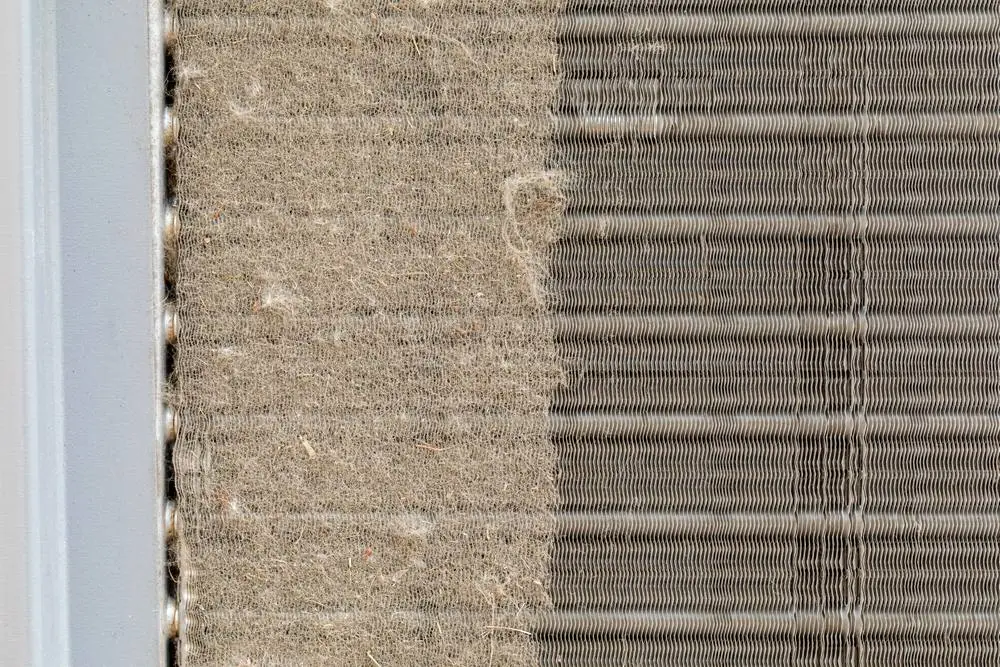
Dirty evaporator coil effects show up as weaker cooling, higher power bills, and worse indoor air. The coil is where your air conditioner absorbs heat, so a layer of dirt across it forces the whole system to work harder for less result. Left alone, that strain shortens the equipment’s life.
Key Points
- A dirty coil blocks heat transfer, so the AC runs longer and cools less.
- Dirty evaporator coil effects can increase energy costs by 20-30%.
- A frozen coil and a failing compressor are the two effects that need attention immediately.
- Compressor replacement often costs $1,000 to $2,500, against $100-$400 for a cleaning.
- Annual cleaning plus monthly filter changes prevents nearly all of it.
What Happens When Your AC Coil Gets Clogged?
A clogged evaporator coil turns a working air conditioner into an expensive one. Dirty evaporator coil effects include higher energy bills, weaker cooling, and poor air quality, and the system has to run far longer to reach the same temperature.
Think of the evaporator coil as the lungs of your air conditioner. Clogged lungs make breathing hard work. Dust and dirt across the coil do the same thing to your AC, and the strain eventually reaches the compressor.
The good news is that this is one of the most preventable failures in home HVAC. Regular cleaning stops nearly every problem on this list before it starts.
Why Does an Evaporator Coil Get Dirty?
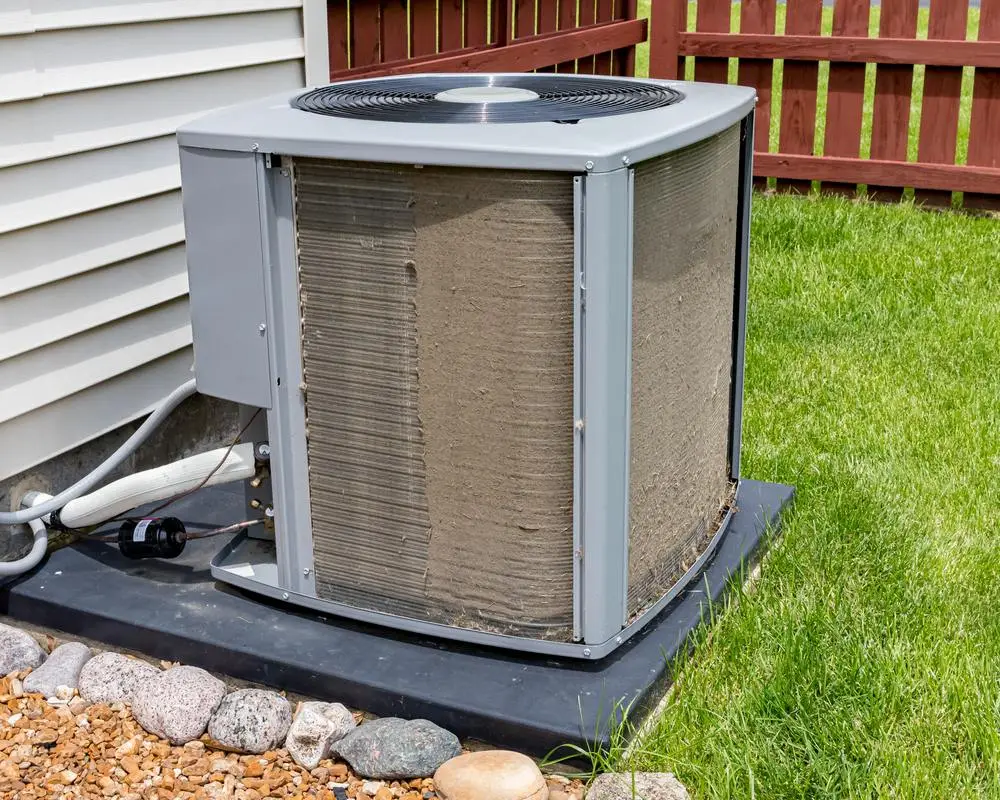
An evaporator coil gets dirty because it is permanently damp and every bit of your home’s air passes across it. The coil is a set of metal tubes with thin fins, sitting inside your home near the air handler, and its job is to absorb heat from indoor air.
Here is the mechanism. Warm household air passes over the cold coil, the refrigerant inside absorbs the heat, and the cooled air blows back into the house. It works the same way sweat cools your skin.
Common Causes of a Dirty Coil
- Airborne particles: Dust, pet hair, and pollen stick to the coil as air passes through.
- Moisture: Condensation on the coil traps particles and creates a surface more dirt sticks to.
- Poor filtration: A dirty or low-quality filter lets more particles reach the coil.
- Lack of maintenance: Without regular cleaning, buildup compounds year over year.
Even spotless homes end up with dirty coils eventually. That part is normal. The dirty evaporator coil effects that follow are what cause the damage.
7 Harmful Effects of a Dirty Evaporator Coil
Here are the seven most common dirty evaporator coil effects, in the order they usually appear.
1. Reduced Cooling Efficiency
A dirty coil cannot absorb heat properly. The dirt layer acts like a blanket, blocking heat transfer. Your AC works harder and produces less cooling, so the house never feels cool even with the system running constantly.
2. Higher Energy Bills
When the AC struggles against a dirty coil, it runs longer and draws more electricity. Dirty evaporator coil effects can increase energy costs by 20-30%. That is money spent on runtime, not comfort.
3. Poor Indoor Air Quality
Dirt, mold, and bacteria collecting on the coil get blown into your living space every cycle. That can trigger allergies, asthma, and other respiratory problems. If your family sneezes and coughs more when the AC runs, the coil is a likely culprit. A dedicated HVAC UV light installation targets the growth on the coil itself.
4. Frozen Evaporator Coil
Freezing is one of the most common dirty evaporator coil effects. Dirt blocks airflow across the coil, the surface temperature drops below freezing, and moisture on the coil turns to ice. A frozen coil stops cooling entirely and causes water damage when it thaws.
5. System Breakdowns
Parts wear out faster when the system runs harder. The compressor, which is the heart of the AC, can fail early. Replacing a compressor is expensive, often costing $1,000 to $2,500. Regular coil cleaning costs a fraction of that. When a system is already failing, AC repair should come before another cleaning.
6. Reduced System Lifespan
An AC system should last 15-20 years with proper care. The strain from dirty evaporator coil effects can cut that lifespan in half. It works like an engine without oil changes: nothing fails on day one, but the end arrives years early.
7. Unpleasant Odors
Dirt plus moisture is ideal conditions for mold and bacteria. That produces musty smells through the house whenever the AC runs. The odor is not just unpleasant, it is a direct signal that air quality has degraded.

Which Effects Need Attention Right Now?
Not all seven carry the same urgency. Sorting them keeps a cleaning job from becoming a replacement job.
- Stop the system: A frozen coil. Running an iced-up system pushes liquid refrigerant toward the compressor, which is what turns a cleaning into a compressor failure.
- Call this week: Water pooling around the indoor unit, or a musty smell that does not clear. Both usually mean the drain path is compromised and water is going somewhere it should not.
- Book at your convenience: Higher bills, weaker cooling, and reduced lifespan. These cost money steadily but will not damage the equipment this week.
The rule of thumb is simple. Ice or water means stop and call. Efficiency losses mean schedule a cleaning.
How to Tell If Your Evaporator Coil Needs Cleaning
You do not need to be an HVAC expert to spot dirty evaporator coil effects. The indicators are fairly specific.
Warning Signs of a Dirty Evaporator Coil
- Weak airflow from your vents
- Home takes longer to cool than it used to
- AC runs constantly but never reaches the set temperature
- Unusual noises from the air handler
- Musty smells when the AC turns on
- Higher than normal energy bills
- Water leaking around the indoor unit
- Ice forming on the refrigerant lines
Two or more of these together usually means the coil is the problem. Cleaning it often resolves all of them at once.
Simple Visual Inspection
Check the coil yourself. Shut the AC off completely, then find the indoor air handler, usually in a closet, attic, or basement. Remove the access panel, which may take a screwdriver.
Shine a flashlight on the coil. A clean coil looks shiny and metallic. A dirty coil shows visible dust, dirt, or a gray-green film. Visible buildup means it is time to clean. that can safely remove even stubborn buildup without damaging your system.
DIY Cleaning Tips for Evaporator Coils
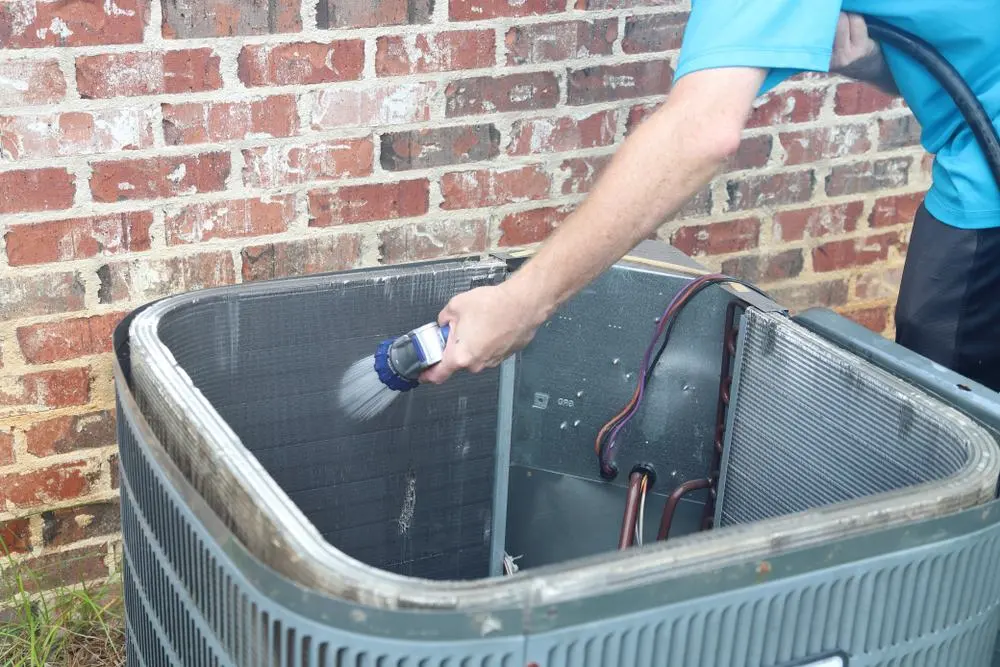
If you handle basic home maintenance, you can clean the coil yourself and head off most dirty evaporator coil effects.
Safety First
Before you start:
- Turn off power at the thermostat and the circuit breaker
- Gather gloves, safety glasses, a soft brush, coil cleaner spray, and a hand sprayer
- Make sure the area is well ventilated
Step-by-Step Cleaning Process
- Access the coil: Remove the access panel on the air handler.
- Remove loose debris: Lift dust with a soft brush, working carefully so you do not bend the fins.
- Apply coil cleaner: Use a no-rinse foaming cleaner made for evaporator coils and follow the product directions.
- Let it work: The foam dissolves dirt and drips into the drain pan.
- Check the drain: Confirm the condensate drain is not clogged.
- Reassemble: Replace the panel and restore power.
What Not to Do
Avoid these mistakes:
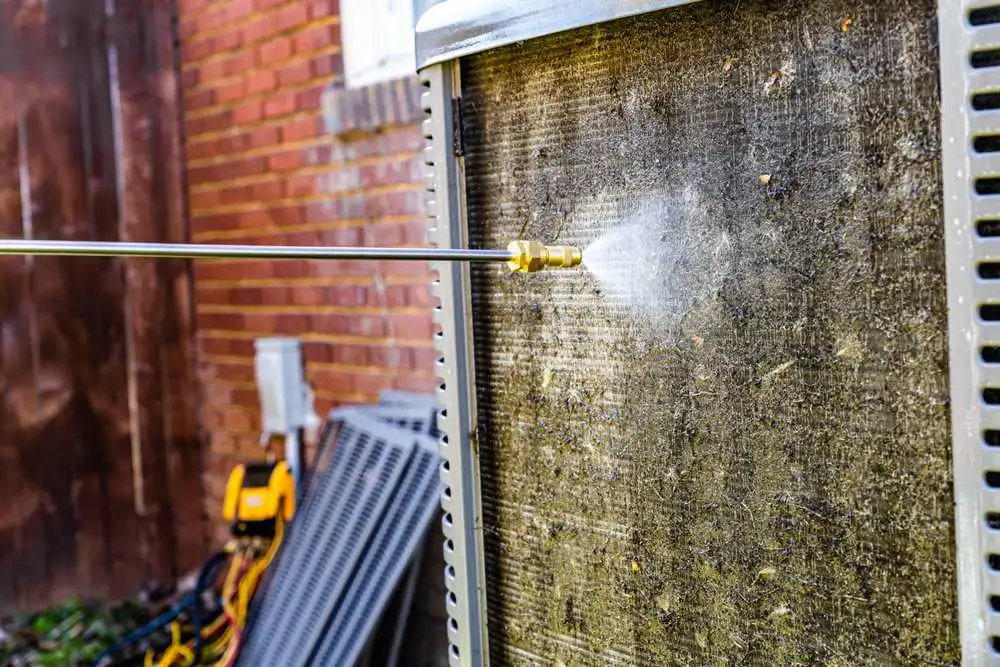
- Do not use a pressure washer or a strong water spray
- Do not use household cleaners that were not made for coils
- Do not scrub hard or use a stiff brush
- Do not bend or damage the aluminum fins
If any of that sounds like more than you want to take on, professional cleaning is always the safe option.
When to Call a Professional for Coil Cleaning
DIY cleaning handles light dirt. Some situations need a technician.
Signs You Need Professional Cleaning
- Severe dirt buildup that DIY methods will not lift
- Mold growth on or around the coil
- Bent or damaged fins that need repair
- A frozen coil that will not thaw
- Performance issues that persist after cleaning
- No cleaning in 2+ years
Professional technicians carry tools and solutions that remove stubborn buildup without damaging the system. Broader problems that reach past the coil call for full HVAC repair.
What to Expect from Professional Cleaning
A technician typically:
- Performs a complete system inspection
- Uses professional-grade cleaning solutions
- Cleans both sides of the coil thoroughly
- Straightens bent fins with a fin comb
- Cleans the condensate drain and pan
- Checks refrigerant levels
- Tests system performance after cleaning
Professional cleaning typically runs $100-$400 depending on system size and how bad the buildup is. Against the repairs and energy waste that dirty evaporator coil effects cause, it pays for itself quickly.
Preventing Dirty Evaporator Coil Effects
Prevention beats cleaning. These habits keep the coil clear.
Regular Maintenance Schedule
- Change air filters monthly during heavy use seasons
- Schedule professional maintenance once or twice yearly
- Have coils professionally cleaned annually
Booking AC maintenance before cooling season is the cheapest version of every repair on this page.
Improve Your Home’s Air Quality
Fewer particles in the air means a cleaner coil:
- Upgrade to better air filters with a higher MERV rating, 8-11 for most homes
- Consider an air purifier to cut airborne particles
- Vacuum and dust regularly
- Control humidity levels to limit mold growth
System Upgrades Worth Considering
- UV lights installed near the coil prevent mold and bacteria growth
- Electronic air cleaners capture more particles than standard filters
- Sealed ductwork keeps attic and crawl space dust out of the system
Each costs something upfront and saves more over the life of the system.
Frequently Asked Questions About Dirty Evaporator Coils
How often should evaporator coils be cleaned?
Most HVAC professionals recommend cleaning evaporator coils at least once per year as part of regular maintenance. With pets, heavy dust, or allergies in the house, every 6 months works better. Regular cleaning prevents the dirty evaporator coil effects described above.
Can a dirty evaporator coil cause my AC to stop working completely?
Yes. Severe buildup can freeze the coil solid, which stops cooling entirely and can damage the compressor if the system keeps running. The compressor may shut down on high pressure, leaving you without cooling until it is repaired.
Will a dirty evaporator coil affect my heating system too?
If you have a heat pump that both heats and cools, then yes. In heating mode the coil works as a condenser, and dirt reduces heating efficiency exactly the way it reduces cooling efficiency.
How much money can I save by keeping my evaporator coil clean?
Studies show dirty evaporator coil effects can increase energy consumption by 20-40%. For a home with a $200 monthly summer electric bill, that is $40-$80 wasted each month. Across a cooling season, clean coils could save $200-$400 in energy alone, before counting avoided repairs.
Can I use household cleaners on my evaporator coil?
No. Many household cleaners contain chemicals that damage the coil or produce harmful fumes once the AC runs. Use only cleaners formulated for HVAC coils, which are made to be safe for the equipment and your air.
How long does professional evaporator coil cleaning take?
A professional cleaning typically takes 1-2 hours depending on how dirty and how accessible the coil is. Complex systems take longer. The technician will also check other components while they are in the equipment.
Can dirty evaporator coils cause health problems?
Yes. Mold, bacteria, and other contaminants growing on a dirty coil get distributed through the home whenever the AC runs. That can trigger allergies, asthma attacks, and respiratory infections, particularly in children, older adults, and anyone with existing conditions.
Stop Dirty Coil Damage Before It Reaches the Compressor
Every effect on this list traces back to the same cause and has the same fix. A clean coil transfers heat properly, and the system does its job without straining.
Change filters on schedule, watch for weak airflow and musty smells, and get the coil professionally cleaned once a year. That routine costs less annually than a single emergency repair.
If your system is already showing two or more of these effects, do not wait for the coil to freeze. Contact our team today and we will inspect the coil, clean it properly, and check whether the strain has reached anything else.