Table of Contents
You should clean your evaporator coil at least once per year. However, how often to clean an evaporator coil actually depends on several factors including usage, environment, and the age of your system.
Regular cleaning prevents dirt buildup that can reduce efficiency, increase energy bills, and potentially lead to system failure. In homes with pets, smokers, or in dusty areas, you might need to clean your evaporator coil every 3-6 months for optimal performance.
Understanding Evaporator Coils
An evaporator coil is a crucial component of your air conditioning system. It’s responsible for absorbing heat from the air in your home. The coil contains refrigerant that changes from liquid to gas as it collects heat, cooling your indoor air in the process.
Evaporator coils are typically made of copper, aluminum, or steel and have a series of fins that increase the surface area. This design maximizes heat transfer but also makes the coil a perfect trap for dust, dirt, and other airborne particles.
When you understand how often to clean an evaporator coil, you’re protecting one of the most important parts of your heat pump. A clean evaporator coil ensures your system runs efficiently, keeps your home comfortable, and helps avoid costly repairs.
Why Evaporator Coils Get Dirty
Evaporator coils get dirty for several reasons. First, they’re constantly exposed to air flowing through your home. This air carries dust, pet dander, pollen, and other particles that stick to the coil’s surface.
Second, the coil’s cold surface often creates condensation. This moisture can trap more dirt and even lead to mold growth if not properly drained.
Finally, if your air filter is dirty or improperly installed, more contaminants will reach the evaporator coil. This is why changing air filters regularly is an important part of determining how often to clean an evaporator coil.

Recommended Cleaning Frequency
The general rule is to clean your evaporator coil at least once per year. This annual cleaning should be part of your regular HVAC maintenance schedule. However, several factors might require you to clean your evaporator coil more frequently.
For homes with pets, the fur and dander can quickly clog your system. In this case, cleaning every 3-6 months might be necessary. Similarly, if someone in your home smokes or if you live in a particularly dusty area, more frequent cleaning is recommended.
The age of your system also matters when determining how often to clean an evaporator coil. Older systems might need more frequent cleaning as they’re often less efficient and more prone to dirt buildup.
Seasonal Considerations
The best time to clean your evaporator coil is before heavy usage seasons. For most homes, this means cleaning in spring before summer cooling begins.
In regions with year-round cooling needs, you might want to schedule cleanings twice a year – perhaps in spring and fall. This ensures your system runs efficiently during the hottest months.
Remember that how often to clean an evaporator coil also depends on your local climate. Humid environments can lead to more mold growth on coils, while dry, dusty areas might cause more dirt accumulation.
Usage Factors
How you use your AC system affects how often to clean an evaporator coil. If your system runs almost constantly, it will filter more air and collect more dirt than a system that runs occasionally.
Homes with open windows or doors will introduce more outside contaminants. Similarly, renovation projects create extra dust that can quickly clog your evaporator coil.
The quality of your air filter also plays a role. Higher MERV-rated filters trap more particles, potentially extending the time between evaporator coil cleanings.
Signs Your Evaporator Coil Needs Cleaning
Don’t wait for a complete system breakdown to clean your evaporator coil. Several warning signs indicate it’s time for cleaning, regardless of your regular schedule.
Reduced cooling efficiency is the most common sign. If your home isn’t cooling as quickly or evenly as before, a dirty evaporator coil might be the culprit. You might notice some rooms staying warmer than others.
Higher energy bills without increased usage suggest your system is working harder than it should. This extra effort often results from a dirty evaporator coil forcing your system to run longer cycles.
Visual and Physical Signs
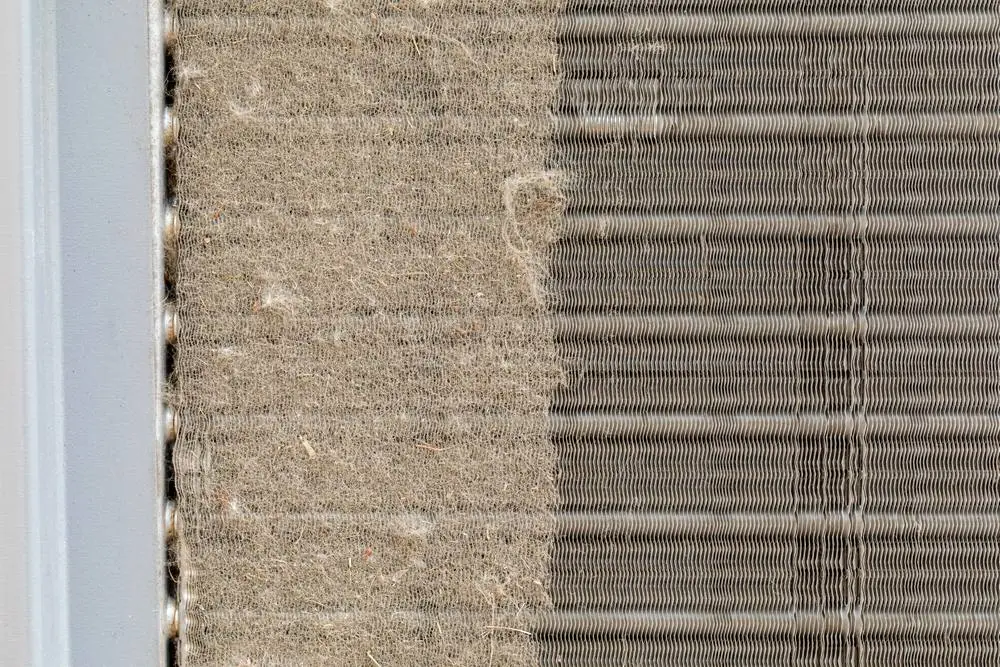
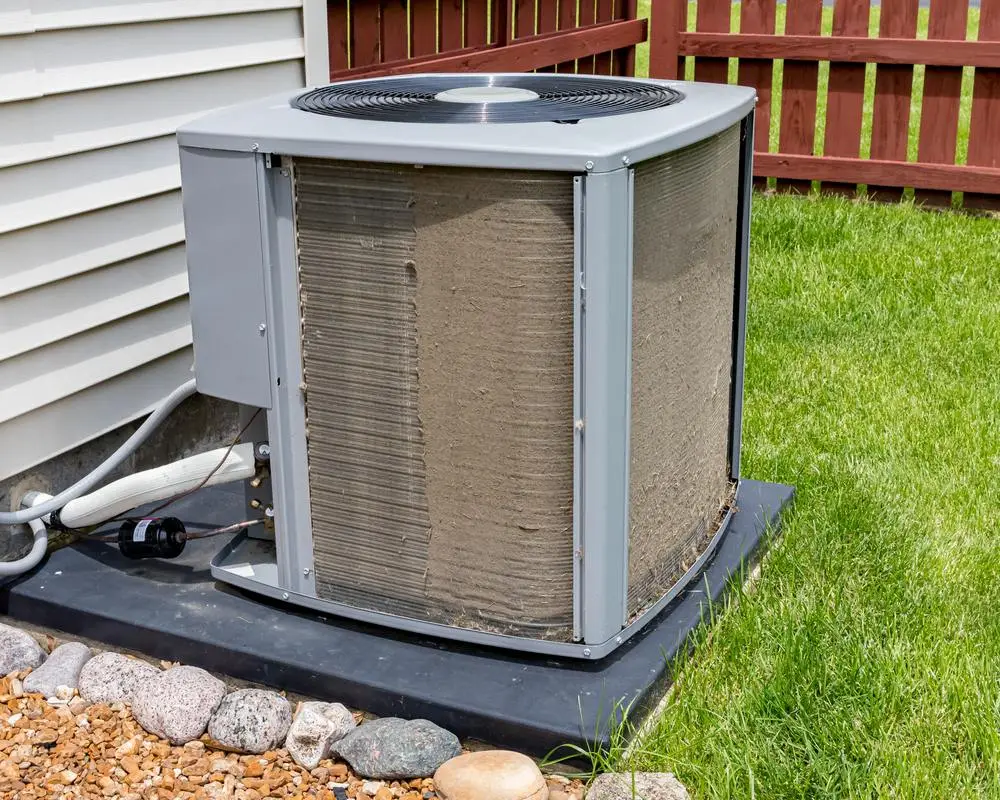
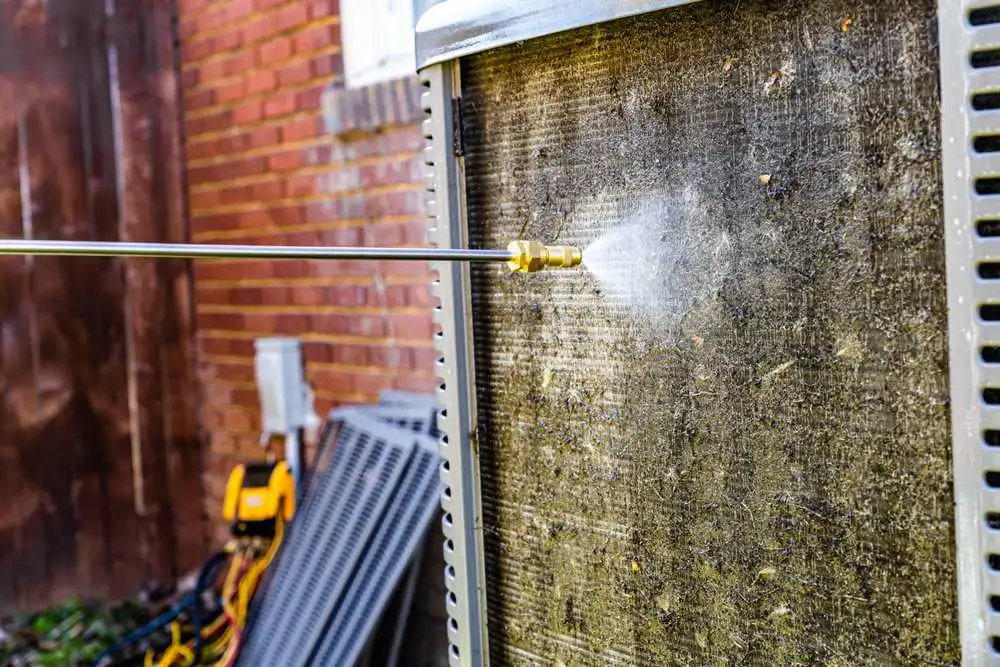
If you can access your evaporator coil, visible dirt, dust, or mold growth is a clear indication cleaning is needed. The coil should appear clean and free from buildup.
Strange smells coming from your vents, especially musty or moldy odors, often indicate a dirty evaporator coil. These smells occur when mold or bacteria grow on the damp, dirty surface.
Ice formation on the evaporator coil or refrigerant lines is another warning sign. When dirt insulates the coil, it can’t absorb heat properly, causing refrigerant to get too cold and freeze.
System Performance Issues
Your heat pump might start short cycling – turning on and off frequently – when the evaporator coil is dirty. This happens because the system can’t transfer heat effectively.
Water leaks around your indoor unit often indicate a problem with the evaporator coil. Dirt can block the normal condensation drainage path, causing water to overflow.
Understanding how often to clean an evaporator coil helps you recognize these signs early. Prompt cleaning can prevent more serious problems and extend the life of your system.
Step-by-Step Cleaning Guide
If you’re wondering how often to clean an evaporator coil, you should also know the proper cleaning method. Here’s a simple guide for those comfortable with DIY maintenance.
First, gather your supplies: a no-rinse evaporator coil cleaner, a soft brush, gloves, safety glasses, and a spray bottle with water. Always turn off power to your HVAC system before beginning any maintenance work.
Locate the evaporator coil, which is typically found in the indoor unit of your heat pump. You may need to remove an access panel using a screwdriver.
Cleaning Process
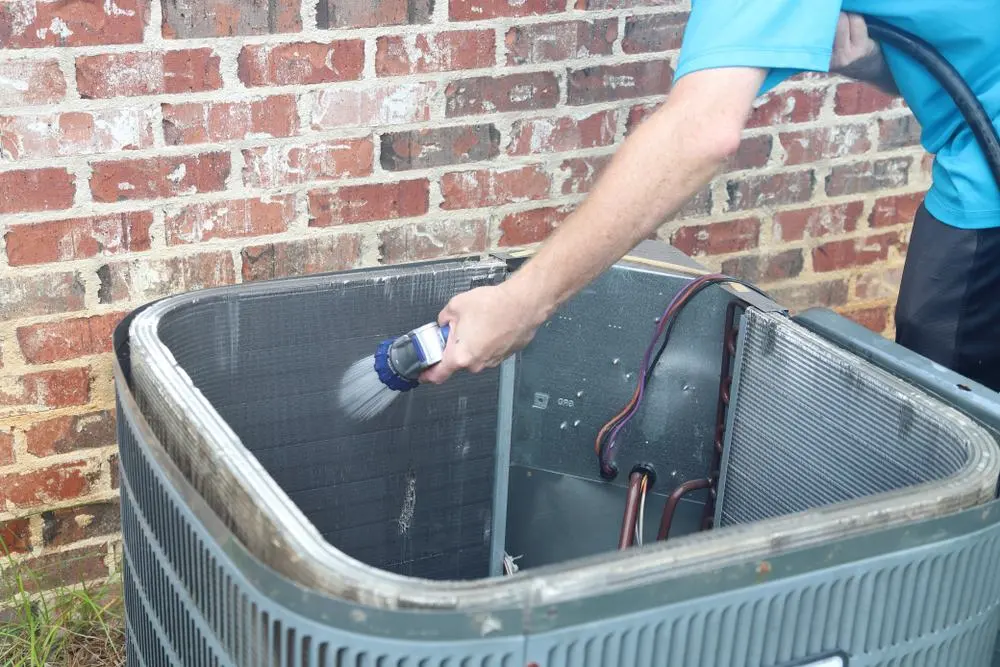
Begin by gently removing loose debris with a soft brush. Be extremely careful not to bend the delicate aluminum fins on the coil.
Spray the no-rinse coil cleaner according to the product instructions. These cleaners are designed to foam up, loosen dirt, and then drip away with the condensation naturally produced by the coil.
For heavily soiled coils, you might need to repeat the application. Allow the cleaner to work for the recommended time before rinsing if the product requires it.
Safety Precautions
Always wear gloves and safety glasses when cleaning an evaporator coil. The fins are sharp and can cause cuts, while cleaning chemicals can irritate skin and eyes.
Ensure good ventilation in the area where you’re working. Some cleaning products have strong fumes that shouldn’t be inhaled.
If you’re unsure about how often to clean an evaporator coil or the cleaning process itself, it’s better to call a professional. Improper cleaning can damage the delicate components of your AC system.
Professional vs. DIY Cleaning
While DIY cleaning is possible, professional cleaning offers several advantages. HVAC technicians have specialized tools and cleaners that can remove stubborn buildup without damaging the coil.
Professionals can also inspect other components of your system during the cleaning. They might catch potential problems before they lead to expensive repairs.
The cost of professional evaporator coil cleaning typically ranges from $100 to $400, depending on your location and the condition of your coil. While this is more expensive than DIY cleaning, it might save money in the long run through improved efficiency and fewer repairs.
When to Call a Professional
If you’re unsure about how often to clean an evaporator coil or notice severe performance issues, it’s time to call a professional. Signs that you need expert help include ice formation, water leaks, or complete cooling failure.
Systems that haven’t been maintained for several years will likely need professional attention. The built-up dirt might be too stubborn for consumer-grade cleaners.
Older systems or those with a history of problems should also be serviced by professionals. They can ensure the cleaning doesn’t cause additional damage to fragile components.
Finding a Qualified Technician
Look for HVAC technicians with proper certification and good reviews. Ask friends or family for recommendations, or check online review sites.
Before hiring, ask the technician about their experience with your specific type of system. Also inquire about their cleaning methods and the products they use.
A good technician will be happy to explain how often to clean an evaporator coil for your particular situation and might offer a maintenance plan to keep your system in top condition.
Maintaining Clean Evaporator Coils
Prevention is the best approach to evaporator coil maintenance. Changing your air filter regularly is the simplest way to keep your evaporator coil cleaner for longer.
Most homes should replace standard 1-inch filters every 1-3 months. Thicker filters might last 3-6 months. Check your filter monthly and replace it when it looks dirty.
Using higher-quality filters can also reduce how often to clean an evaporator coil. Filters with MERV ratings of 8-13 capture more particles before they reach your evaporator coil.
Additional Preventive Measures
Consider installing an ultraviolet (UV) light near your evaporator coil. These lights kill mold and bacteria that might grow on the moist surface of the coil.
Regular duct cleaning can also reduce the amount of dust reaching your evaporator coil. Most homes benefit from duct cleaning every 3-5 years.
Keeping your home clean reduces the particles in your air. Regular dusting, vacuuming with a HEPA filter vacuum, and reducing indoor pollution all help keep your evaporator coil cleaner.
Seasonal Maintenance Schedule
Create a maintenance calendar to track how often to clean an evaporator coil and perform other HVAC tasks. Set reminders for filter changes, professional inspections, and coil cleaning.
Before summer, schedule a complete system check, including evaporator coil inspection and cleaning if needed. This ensures efficient cooling during the hottest months.
Similarly, before winter, have your heating system checked if you use a heat pump that shares the evaporator coil with your AC system.
Frequently Asked Questions
How do I know if my evaporator coil is dirty?
Signs of a dirty evaporator coil include reduced cooling efficiency, higher energy bills, strange odors from vents, ice formation on the coil or refrigerant lines, and water leaks around your indoor unit. If your system isn’t cooling properly despite a new air filter and proper refrigerant levels, a dirty evaporator coil is likely the problem.
Can I clean my evaporator coil myself?
Yes, you can clean your evaporator coil yourself if you’re comfortable with basic HVAC maintenance. Use a no-rinse coil cleaner specifically designed for evaporator coils, and be very gentle with the delicate fins. However, if you’re unsure about how often to clean an evaporator coil or the cleaning process, hiring a professional is safer.
Will a dirty evaporator coil affect my energy bills?
Absolutely. A dirty evaporator coil can increase your energy bills by 20-30%. When dirt insulates the coil, it can’t absorb heat efficiently, forcing your system to run longer and work harder to cool your home. Regular cleaning based on how often to clean an evaporator coil guidelines can help maintain energy efficiency.
How long does professional evaporator coil cleaning take?
Professional evaporator coil cleaning typically takes 1-2 hours, depending on the condition of the coil and the accessibility of your system. More severely dirty coils might require additional time. The technician will also perform other maintenance tasks during this visit, such as checking refrigerant levels and inspecting other components.
Can a dirty evaporator coil cause health problems?
Yes, a dirty evaporator coil can contribute to health problems. Mold and bacteria can grow on the damp surface of a dirty coil, and these contaminants can then be blown throughout your home. This might trigger allergies, respiratory issues, or other health concerns, especially in sensitive individuals. Understanding how often to clean an evaporator coil helps prevent these health risks.
Keep Your AC Running Smoothly with Regular Evaporator Coil Cleaning
Knowing how often to clean an evaporator coil is essential for maintaining an efficient, reliable air conditioning system. For most homes, annual cleaning is sufficient, but factors like pets, smoking, and local environment might necessitate more frequent cleaning.
Pay attention to warning signs like reduced cooling, higher energy bills, and unusual odors. These indicate it’s time to clean your evaporator coil regardless of your regular schedule.
Whether you choose DIY cleaning or professional service, regular maintenance extends the life of your system and improves your home’s comfort. Remember that prevention through regular filter changes and good indoor air quality practices reduces how often to clean an evaporator coil.
Don’t wait until your system fails on the hottest day of summer. Schedule your evaporator coil cleaning today and enjoy the benefits of an efficiently running AC system. Your comfort and wallet will thank you!
Ready to ensure your HVAC system runs at peak efficiency? Contact Advanced Plumbing, Heating, and Air today to schedule a professional evaporator coil cleaning. We’ll help you determine exactly how often to clean an evaporator coil for your specific situation and keep your system running smoothly year-round. Book your appointment now!