
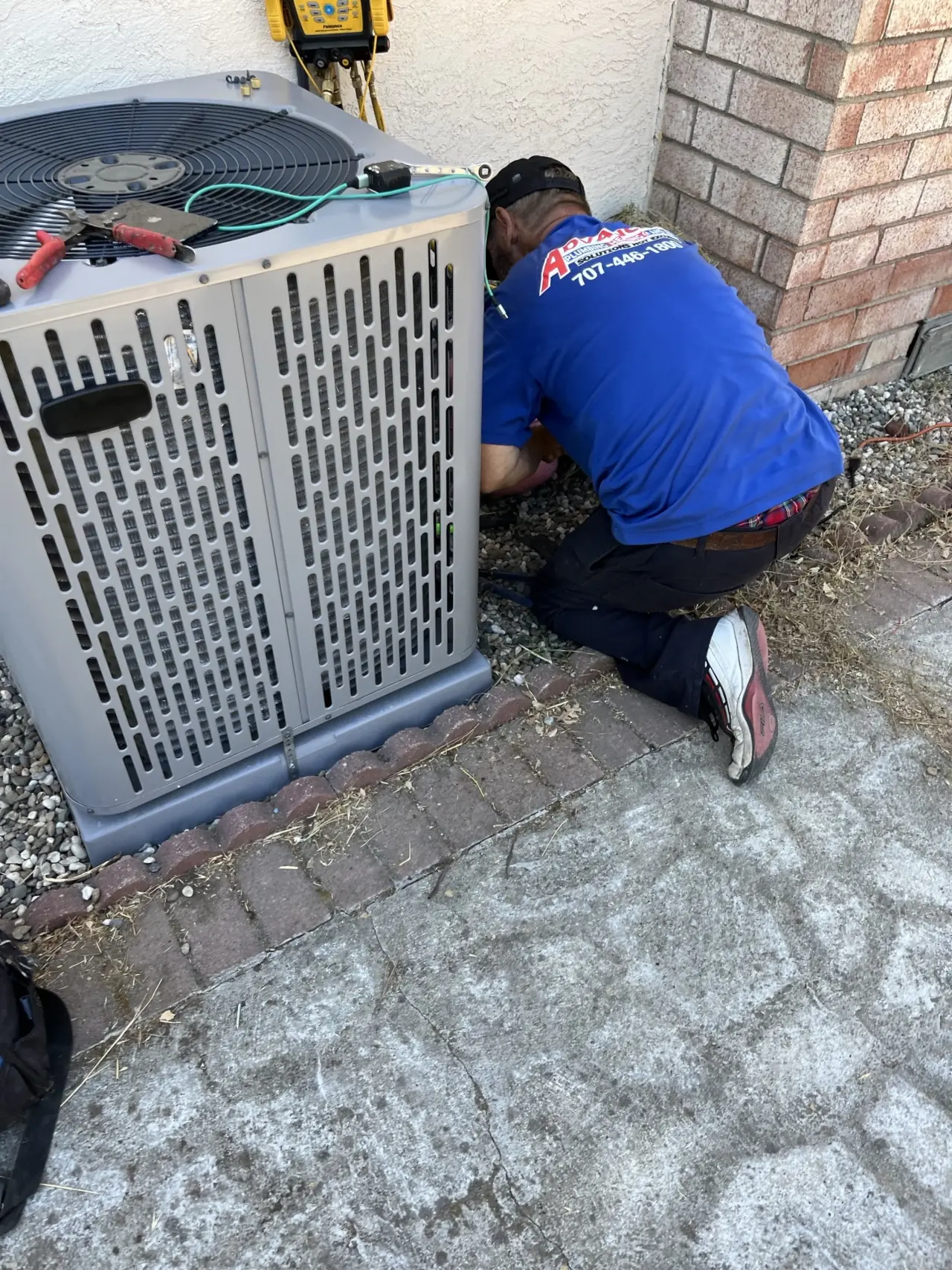
Furnace vs Heat Pump: Which is Better for Vacaville Homes?
A furnace vs heat pump comparison is essential for Vacaville homeowners looking to upgrade their heating systems. In Vacaville’s climate, where winters are cool but rarely freezing, both systems can work well, but they have different strengths. Furnaces provide powerful heating using gas or electricity to generate heat, while heat pumps move heat rather than create it, offering both heating and cooling in one system. For Vacaville residents, heat pumps are often more energy-efficient during mild winters, potentially saving 50% on heating costs compared to furnaces. However, furnaces may perform better during occasional cold snaps. Your best choice depends on your home’s size, your budget, and your comfort preferences.
Table of Contents
Comparing Furnace vs Heat Pump Systems: A Visual Guide
| Feature | Furnace | Heat Pump |
|---|---|---|
| Energy Source | Natural gas, propane, or electricity | Electricity |
| How It Works | Creates heat through combustion or electric resistance | Transfers heat from outside air to inside (or reverse) |
| Efficiency in Vacaville Climate | Good | Excellent |
| Initial Cost | $2,500-$6,000 | $4,000-$8,000 |
| Lifespan | 15-20 years | 10-15 years |
| Cooling Capability | None (separate AC needed) | Yes (built-in) |
How Furnaces Work
Furnaces are heating powerhouses that create warmth through a simple process. They burn fuel (usually natural gas in Vacaville) or use electricity to generate heat. This heat warms up air that’s then blown through ducts into your rooms.
When you set your thermostat to a certain temperature, your furnace kicks on when the room gets colder than that number. The burners light up or the electric coils heat up, warming the heat exchanger. Your blower fan pushes air across this hot metal surface, heating the air.
This heated air travels through your ducts and out through vents in your floors or ceilings. The warm air raises your home’s temperature until it matches what you set on your thermostat. Then the furnace shuts off until the temperature drops again.
Types of Furnaces Available in Vacaville
In Vacaville, homeowners can choose from several types of furnaces. Natural gas furnaces are most common because gas lines are widely available in the area. These furnaces burn natural gas to create heat and typically cost less to run than other types.
Electric furnaces use heating elements, similar to a giant toaster, to warm air. They cost less to install than gas furnaces but more to operate. However, they’re 100% efficient at converting electricity to heat.
Propane furnaces work like natural gas models but use propane stored in a tank on your property. These are good options for Vacaville homes without access to natural gas lines. Oil furnaces are less common in California but work by burning heating oil to generate warmth.
Furnace Efficiency Ratings Explained
When shopping for a furnace vs heat pump, you’ll see AFUE ratings. AFUE stands for Annual Fuel Utilization Efficiency. This percentage tells you how much of your fuel actually becomes heat for your home.
A furnace with 80% AFUE turns 80% of its fuel into heat, while 20% escapes through the chimney or elsewhere. Modern furnaces range from 80% to 98% AFUE. In Vacaville’s climate, a high-efficiency furnace (90%+ AFUE) can make sense if you plan to stay in your home for many years.
Higher AFUE furnaces cost more upfront but save money over time. For example, upgrading from an 80% to a 96% AFUE furnace could save about 15-20% on your heating bills. This means the extra cost might pay for itself within 5-7 years in Vacaville’s climate.
How Heat Pumps Work in Vacaville’s Climate
Heat pumps work like air conditioners that can run in reverse. Instead of creating heat, they move it from one place to another. In winter, a heat pump pulls heat from the outside air (yes, even cold air contains heat) and moves it inside your home.
The process uses refrigerant that absorbs heat outside and releases it inside. This is much more energy-efficient than creating heat from scratch. In summer, the process reverses, and your heat pump works just like an air conditioner, removing heat from your home.
In Vacaville’s mild climate, heat pumps work very efficiently most of the year. They struggle only when temperatures drop below freezing, which happens rarely in Vacaville. This makes the furnace vs heat pump decision particularly relevant for our area.
Types of Heat Pumps for Vacaville Homes
Air-source heat pumps are the most common type in Vacaville. They extract heat from outdoor air and transfer it inside. These work well in our mild climate and cost less to install than other types.
Ductless mini-split heat pumps don’t need ductwork. They have an outdoor unit connected to one or more indoor units mounted on walls or ceilings. These are great for home additions, older homes without ducts, or for creating temperature zones in your home.
Geothermal heat pumps use underground loops to exchange heat with the earth, which stays at a constant temperature year-round. While extremely efficient, they cost much more to install and require sufficient property space for the ground loops.
Heat Pump Efficiency Ratings Explained
Heat pumps have two efficiency ratings: HSPF (Heating Seasonal Performance Factor) for heating and SEER (Seasonal Energy Efficiency Ratio) for cooling. Higher numbers mean better efficiency.
Modern heat pumps typically have HSPF ratings between 8.2 and 13. For Vacaville homes, a heat pump with at least 9 HSPF provides good efficiency. SEER ratings usually range from 14 to 22, with 16 or higher recommended for our climate.
These ratings matter in the furnace vs heat pump debate because they help predict operating costs. A heat pump with high ratings might cost more initially but save money over time. In Vacaville’s climate, a heat pump can use up to 50% less electricity than electric resistance heating.
Climate Considerations for Vacaville Homeowners
Vacaville’s climate features hot summers and mild winters, with temperatures rarely dropping below freezing. This climate profile strongly influences the furnace vs heat pump decision.
Heat pumps perform most efficiently in moderate temperatures, making them well-suited for Vacaville’s climate. They work best when outdoor temperatures stay above 30-35°F, which is true for most of Vacaville’s winter days.
Furnaces, while effective in any temperature, may be overkill for Vacaville’s mild winters. However, they provide consistent heat output regardless of outdoor temperature, which some homeowners prefer during the occasional cold snap.
Seasonal Performance Differences
During Vacaville’s winter months (December through February), a heat pump works efficiently most days. On the rare days when temperatures drop below freezing, heat pumps must work harder and may rely on backup electric resistance heating, which uses more electricity.
Furnaces maintain the same efficiency regardless of outdoor temperature. This consistent performance can be reassuring during cold snaps, but it means you’re not taking advantage of the potential efficiency of a heat pump during milder days.
In summer, the comparison becomes one-sided. Heat pumps provide efficient cooling, while furnaces provide no cooling at all. This dual functionality gives heat pumps a significant advantage in Vacaville’s hot summers.
Humidity Control in Vacaville Homes
Humidity control is another factor in the furnace vs heat pump debate. Vacaville has relatively low humidity, especially in summer. Heat pumps tend to remove less moisture from the air than traditional air conditioners when cooling.
In winter, furnaces can make indoor air very dry, sometimes requiring a separate humidifier. Heat pumps typically don’t dry out the air as much during heating mode, which many people find more comfortable.
For homes with humidity concerns, either system can work well when properly sized. The key is having your HVAC professional perform a load calculation to ensure your system matches your home’s specific needs.
Environmental Impact: Furnace vs Heat Pump
Environmental concerns increasingly influence heating system choices. Heat pumps generally have a smaller carbon footprint than furnaces, especially as California’s electricity grid incorporates more renewable energy.
Natural gas furnaces produce carbon dioxide and other emissions directly at your home. While modern furnaces are cleaner than older models, they still burn fossil fuels. Electric furnaces don’t produce emissions at home but rely on electricity that may come from fossil fuel plants.
Heat pumps use electricity but very efficiently. For every unit of electricity, they can deliver 3-4 units of heating or cooling energy. This efficiency, combined with California’s increasingly clean electricity, makes heat pumps the greener choice for most Vacaville homes.
Comfort Factors: Which System Feels Better?
Comfort is subjective, but there are noticeable differences between furnaces and heat pumps. Furnaces typically produce hotter air (120-140°F) coming from vents compared to heat pumps (90-110°F). This can make furnaces feel cozier to some people.
Heat pumps provide more consistent temperatures throughout your home. They typically run longer at lower outputs, avoiding the hot-and-cold cycles some furnace systems create. This steady approach maintains more even comfort.
Noise levels also differ in the furnace vs heat pump comparison. Modern furnaces are generally quiet indoors, with most noise contained in the utility room. Heat pumps have outdoor units that make some noise, similar to air conditioners, which might be a consideration depending on your home’s layout.
Air Quality Considerations
Both systems can be equipped with high-quality air filters to remove dust, pollen, and other particles. However, there are some inherent differences in how they affect air quality.
Gas furnaces require combustion, which consumes oxygen and can introduce combustion byproducts if not properly vented. Electric furnaces and heat pumps don’t have this concern. Heat pumps also don’t create the dry air that furnaces sometimes do, which can irritate sinuses and skin.
For homes with severe air quality concerns, either system can be paired with whole-home air purifiers, humidifiers, or dehumidifiers. These add-ons work equally well with furnaces or heat pumps.
Making Your Decision: Furnace vs Heat Pump
When deciding between a furnace vs heat pump for your Vacaville home, consider these key factors. First, evaluate your budget for both upfront costs and long-term operation. Heat pumps cost more initially but often save money over time.
Next, think about your comfort preferences. Do you prefer the hotter air from a furnace, or the consistent temperature of a heat pump? Consider also whether having one system for both heating and cooling appeals to you.
Finally, factor in your environmental concerns and future plans. Heat pumps align better with California’s clean energy future and may benefit from additional incentives as the state pushes for electrification.
Hybrid Systems: The Best of Both Worlds?
If you’re torn in the furnace vs heat pump debate, consider a hybrid system. These dual-fuel systems combine a heat pump with a gas furnace backup. The heat pump handles most heating during mild weather, while the furnace takes over during very cold periods.
Hybrid systems offer excellent efficiency in Vacaville’s climate. They cost more upfront but provide optimal comfort and efficiency in all weather conditions. They’re particularly good for larger homes or for homeowners who want maximum comfort regardless of outdoor temperatures.
Installation costs for hybrid systems might cost $7,000-$10,000, but the energy savings and comfort benefits make them worth considering for many Vacaville homeowners planning to stay in their homes long-term.
Frequently Asked Questions About Furnace vs Heat Pump Systems
Which is cheaper to run in Vacaville, a furnace or heat pump?
In Vacaville’s climate, a heat pump is typically cheaper to run than a furnace. Heat pumps can be 300-400% efficient in mild weather, while even the best furnaces are limited to about 98% efficiency.
How long do furnaces and heat pumps last?
Furnaces typically last 15-20 years with proper maintenance, while heat pumps generally last 10-15 years. The difference occurs because heat pumps run year-round (for both heating and cooling), while furnaces only operate during heating season. Regular maintenance can help both systems reach their maximum lifespan.
Can I install a heat pump if I don’t have ductwork?
Yes! Ductless mini-split heat pumps are perfect for homes without existing ductwork. These systems use small indoor units mounted on walls or ceilings connected to an outdoor unit. They’re energy-efficient and provide zoned comfort, allowing different temperatures in different rooms.
Will a heat pump work during Vacaville’s coldest days?
Modern heat pumps work effectively even when temperatures drop into the 30s, which covers most of Vacaville’s winter days. During rare colder periods, heat pumps use backup electric resistance heating. While this backup is less efficient, it’s only needed occasionally in Vacaville’s climate.
Are there rebates available for upgrading my heating system?
Yes, several rebates are available for Vacaville residents. California utility companies offer incentives for high-efficiency systems, particularly for switching from gas to electric heat pumps. Federal tax credits may also apply. Check with your utility provider and tax professional for current offers.
Making the Right Choice for Your Home
The furnace vs heat pump decision comes down to your specific needs. For most Vacaville homes, heat pumps offer the best combination of efficiency, comfort, and environmental benefits. Their ability to both heat and cool makes them particularly well-suited to our climate.
However, furnaces remain a solid choice for homeowners who prefer their heating characteristics or have budget constraints that make the lower upfront cost appealing. Gas furnaces in particular can provide powerful heating during occasional cold snaps.
Whatever you choose, proper sizing and professional installation are crucial. An incorrectly sized system, whether furnace or heat pump, will never perform efficiently or provide optimal comfort. For expert guidance tailored to your specific home, contact Advanced Plumbing and HVAC to schedule a consultation. Their experienced technicians can help you navigate the furnace vs heat pump decision and ensure your new system provides years of comfortable, efficient operation.