
Table of Contents
Kitchen sink maintenance is essential for keeping your home clean and preventing costly repairs. A well-maintained sink drains properly, stays free of odors, and lasts much longer. Taking care of your kitchen sink doesn’t require special skills or expensive products. With simple, regular cleaning and a few preventative habits, you can keep your sink in great shape for years to come.
In this guide, we’ll cover everything you need to know about kitchen sink maintenance. From daily cleaning routines to fixing common problems, you’ll learn how to keep your sink looking and working its best. Let’s dive into the simple steps that make a big difference in your kitchen’s most-used fixture.
Daily Kitchen Sink Maintenance Habits
Good kitchen sink maintenance starts with daily habits that prevent buildup and keep things flowing smoothly. These simple tasks take just minutes but save hours of deep cleaning later.
Rinse After Every Use
Always rinse your sink after using it. This simple habit washes away food particles, soap residue, and other substances that can cause stains or odors. Use warm water and run it for about 15 seconds after each major sink use. For stainless steel sinks, wipe down with a soft cloth after rinsing to prevent water spots and maintain shine.
Wipe Down Surfaces
Keep a clean microfiber cloth near your sink. Wipe down the basin, faucet, and handles at the end of each day. This prevents soap scum and hard water deposits from building up. For extra cleaning power, spray a little all-purpose cleaner first. Pay special attention to the areas around the drain and faucet base where grime often collects.
Run Cold Water When Using the Garbage Disposal
If your sink has a garbage disposal, always run cold water before, during, and after use. Cold water helps solidify any grease so it can be chopped up and flushed away instead of coating your pipes. Run the water for about 15 seconds after turning off the disposal to ensure all waste is flushed through the pipes.
Use a Sink Strainer
A sink strainer is your first defense against clogs. Place one in each drain to catch food scraps, hair, and other debris. Empty the strainer into the trash after doing dishes or food prep. This simple kitchen sink maintenance step prevents most drain problems before they start. Strainers cost just a few dollars but can save hundreds in plumbing bills.

Weekly Deep Cleaning Routines
Even with good daily habits, your sink needs a deeper clean once a week. These kitchen sink maintenance tasks help remove buildup and sanitize surfaces.
Disinfect the Entire Sink
Disinfect your sink weekly to kill germs. Kitchen sinks can harbor more bacteria than some bathroom surfaces! Spray the entire sink with a disinfectant cleaner or make your own by mixing equal parts water and white vinegar. Let it sit for 5-10 minutes, then rinse thoroughly with warm water. For extra cleaning power, sprinkle baking soda first, then spray with vinegar for a bubbling action that helps lift grime.
Clean the Garbage Disposal
Your garbage disposal needs regular cleaning to prevent odors. Cut a lemon into quarters and run them through the disposal with cold water. The citrus oils help clean the blades and leave a fresh scent. For deeper cleaning, make ice cubes with equal parts water and white vinegar, then grind these through the disposal. The ice helps scrape away buildup while the vinegar disinfects.
Polish Faucets and Handles
Faucets and handles show water spots and fingerprints quickly. Use a cleaner made for your specific faucet material (chrome, brushed nickel, etc.). Apply with a soft cloth and buff until shiny. For stubborn mineral deposits, soak a paper towel in white vinegar and wrap it around the affected area for 15 minutes before wiping clean. This kitchen sink maintenance step keeps your fixtures looking new.
Clean the Drain
Pour 1/2 cup baking soda followed by 1/2 cup vinegar down the drain. Let it fizz for 5 minutes, then flush with hot water. This natural cleaning method helps break down grease and prevent slow drains without harsh chemicals. For sinks with garbage disposals, this cleaning method is safer than commercial drain cleaners, which can damage disposal components.
Preventing Clogs and Drain Issues
Clogs are the most common kitchen sink problem. These preventative kitchen sink maintenance steps keep your drains flowing freely.
What Not to Put Down the Drain
Many drain problems start with putting the wrong things down your sink. Never put these items down your drain:
- Cooking grease or oil (collect in a container and throw in trash)
- Coffee grounds (compost or throw away)
- Eggshells (they don’t break down well)
- Starchy foods like rice or pasta (they expand in water)
- Flour (forms a paste-like substance in pipes)
- Produce stickers (they stick to pipe walls)
Even with a garbage disposal, these items can cause problems over time. Good kitchen sink maintenance includes knowing what should go in the trash instead of down the drain.
Flush with Hot Water Regularly
Once a week, run hot water through your sink for 1-2 minutes. This helps melt away any grease building up in the pipes. For extra cleaning power, add a tablespoon of dish soap to the hot water. This simple maintenance step costs nothing but can prevent many common drain problems.
Use Drain Cleaners Sparingly
Chemical drain cleaners can damage pipes with repeated use. Instead, try a drain snake (also called a drain auger) for clogs. These flexible tools can reach into the pipe to pull out hair and debris. For minor clogs, a plunger designed for sinks can often clear the blockage. Save chemical cleaners for tough clogs that don’t respond to other methods.
Check the P-Trap
The curved pipe under your sink (called the P-trap) can collect debris over time. If your sink is draining slowly, place a bucket under the P-trap and unscrew it to clean out any buildup. This is easier than it sounds and can solve many drainage issues. Just remember to tighten everything properly when reassembling to prevent leaks.

Caring for Different Sink Materials
Different sink materials need specific kitchen sink maintenance approaches. Here’s how to care for the most common types.
Stainless Steel Sinks
Stainless steel is durable but can scratch and show water spots. Clean with mild dish soap and water daily. For deeper cleaning, make a paste with baking soda and water, apply with a soft cloth, and rub in the direction of the grain. Rinse thoroughly and dry to prevent water spots. Avoid steel wool, which can scratch the surface. For stubborn stains, try a specialized stainless steel cleaner.
Porcelain and Ceramic Sinks
These sinks are beautiful but can chip and stain. Clean with non-abrasive cleaners to avoid scratching the surface. For stains, make a paste of hydrogen peroxide and baking soda, apply to the stain, and let sit for 30 minutes before rinsing. Avoid dropping heavy objects into these sinks, as they can chip or crack the surface. Regular kitchen sink maintenance helps prevent stains from setting in.
Composite and Granite Sinks
Composite sinks are made from crushed stone and resin. They’re durable but can stain if not properly maintained. Clean daily with mild soap and water. For deeper cleaning, use a mixture of baking soda and water. Avoid harsh chemicals and abrasive cleaners, which can dull the finish. Always dry after cleaning to prevent water spots and mineral buildup.
Copper and Brass Sinks
These specialty sinks develop a natural patina over time. Clean with mild soap and water only. Never use harsh chemicals or abrasive cleaners, which can damage the finish. Dry thoroughly after each use to prevent water spots. Some copper sink manufacturers provide special waxes or sealants for maintenance—follow their specific recommendations for best results.

When to Call a Professional
While regular kitchen sink maintenance prevents most problems, some issues require professional help. Know when to call in the experts.
Persistent Clogs
If you’ve tried plunging, snaking, and natural cleaners but your sink still drains slowly, it’s time to call a plumber. The clog might be deeper in your plumbing system than you can reach with DIY tools. A professional has specialized equipment to locate and clear stubborn blockages without damaging your pipes.
Leaking Pipes
A dripping faucet might be a DIY fix, but leaking pipes under the sink need professional attention. Even small leaks can cause water damage, mold growth, and higher water bills. Turn off the water supply to the sink and call a plumber right away. Quick action can prevent more expensive repairs later.
Foul Odors That Won’t Go Away
If your sink smells bad even after thorough cleaning, you might have a problem in the drain system. This could indicate a dry P-trap (the curved pipe under the sink that should stay filled with water to block sewer gases) or a more serious issue with your home’s plumbing vent system. A professional can diagnose and fix these problems safely.
Sink Installation or Replacement
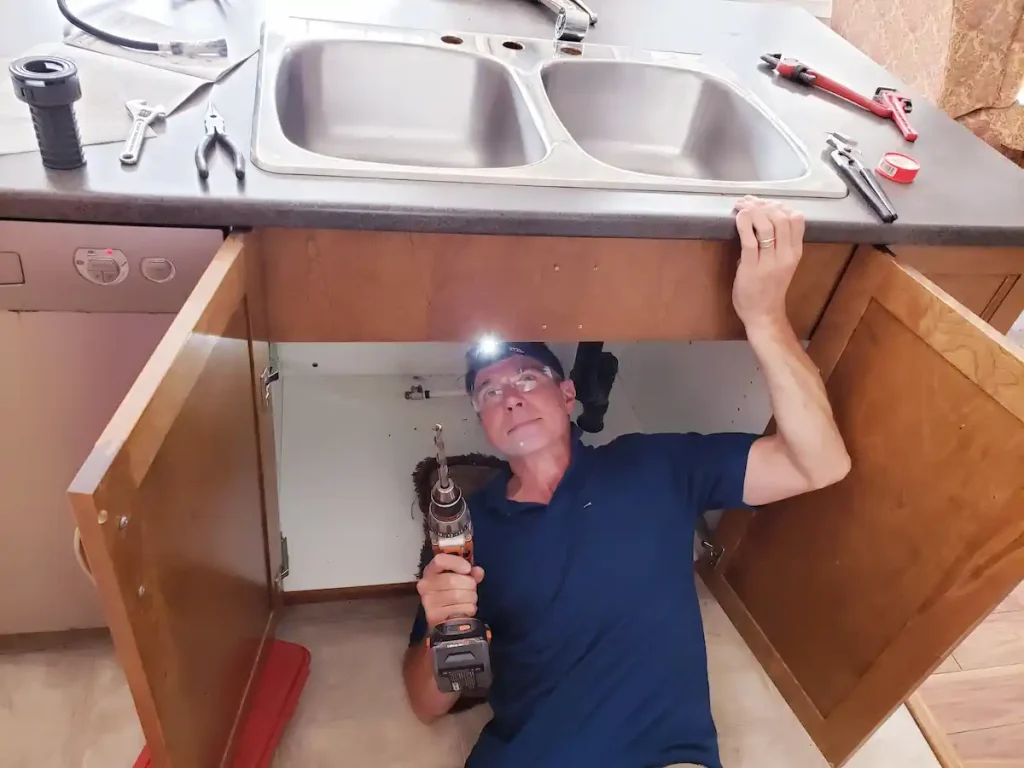
Installing a new sink or replacing an old one is a job best left to professionals. Proper installation ensures your sink functions correctly and doesn’t leak. A professional can also help you choose the right sink for your needs and ensure it meets local building codes. This investment in proper installation prevents many future kitchen sink maintenance headaches.

Kitchen Sink Maintenance FAQ
Here are answers to common questions about kitchen sink maintenance to help you keep your sink in top condition.
How often should I clean my kitchen sink?
You should rinse and wipe down your kitchen sink daily. A deeper cleaning with disinfectant should be done weekly. The drain should be cleaned with baking soda and vinegar every 1-2 weeks to prevent buildup. These regular kitchen sink maintenance habits prevent most common problems.
What’s the best way to remove rust stains from my sink?
For rust stains on stainless steel, make a paste with baking soda and water. Apply to the stain and gently rub with a soft cloth. For porcelain sinks, try a mixture of lemon juice and salt. Apply to the stain, let sit for 30 minutes, then rinse. Commercial rust removers are also available but check that they’re safe for your sink material before using.
Why does my sink drain slowly even though it’s not completely clogged?
Slow drains usually indicate partial clogs from buildup of soap, grease, and debris on pipe walls. Try pouring boiling water down the drain, followed by the baking soda and vinegar method described earlier. If this doesn’t work, a drain snake can help remove buildup without harsh chemicals. Regular kitchen sink maintenance prevents these partial clogs from forming.
How can I prevent water spots on my stainless steel sink?
Dry your sink after each use with a soft cloth to prevent water spots. For extra protection, apply a small amount of olive oil or mineral oil to a cloth and wipe over the dry sink surface. This creates a thin barrier that helps repel water. Repeat this treatment weekly as part of your kitchen sink maintenance routine.
Is it normal for my garbage disposal to smell bad?
No, a properly maintained garbage disposal shouldn’t smell bad. Odors usually indicate food particles stuck in the mechanism. Clean it by grinding ice cubes made with vinegar and water, or by grinding lemon or orange peels with cold water. Regular cleaning prevents odor-causing buildup.
How long should my kitchen sink last before needing replacement?
With proper kitchen sink maintenance, most sinks last 15-30 years. Stainless steel and composite sinks tend to last longer than porcelain. Signs that you need a new sink include cracks that can’t be repaired, severe staining that won’t come clean, or outdated designs that affect your home’s value. Regular maintenance extends your sink’s lifespan significantly.
Keep Your Kitchen Sink in Top Shape with Regular Maintenance
Good kitchen sink maintenance doesn’t require special skills or expensive products. By following the simple daily and weekly routines outlined in this guide, you can prevent most common sink problems. Remember to rinse after each use, clean thoroughly each week, and be mindful of what goes down your drain.
Different sink materials need specific care, so adjust your cleaning methods accordingly. Know when to handle problems yourself and when to call a professional. With proper care, your kitchen sink will function well and look great for many years.
Ready to upgrade your kitchen sink or need help with a plumbing issue? Our professional team is here to help with all your kitchen sink maintenance needs. Contact Advanced Plumbing today to schedule an appointment and keep your kitchen functioning at its best. Your sink is the heart of your kitchen—let us help you take care of it properly!