Table of Contents
Air scrubber safety is essential for anyone using these powerful air cleaning devices in their home or business. These machines help clean the air by removing harmful particles, germs, and odors. When used correctly, air scrubbers create healthier indoor spaces. However, improper use can lead to problems. This guide covers everything you need to know about air scrubber safety, from installation to maintenance and troubleshooting.
What Are Air Scrubbers and How Do They Work?
Air scrubbers are devices that clean the air in your home or building. Unlike air filters that only trap particles passing through them, air scrubbers actively pull in air and remove contaminants. They use special technology to catch tiny particles that regular filters miss.
Most air scrubbers work using a combination of filters and UV light technology. First, they pull in dirty air through a fan. Then, the air passes through filters that catch dust, pollen, and other large particles. After that, many modern air scrubbers use UV light to kill germs like bacteria and viruses.

Types of Air Scrubbers
There are several types of air scrubbers available today:
- HVAC-integrated air scrubbers – These attach to your home’s heating and cooling system
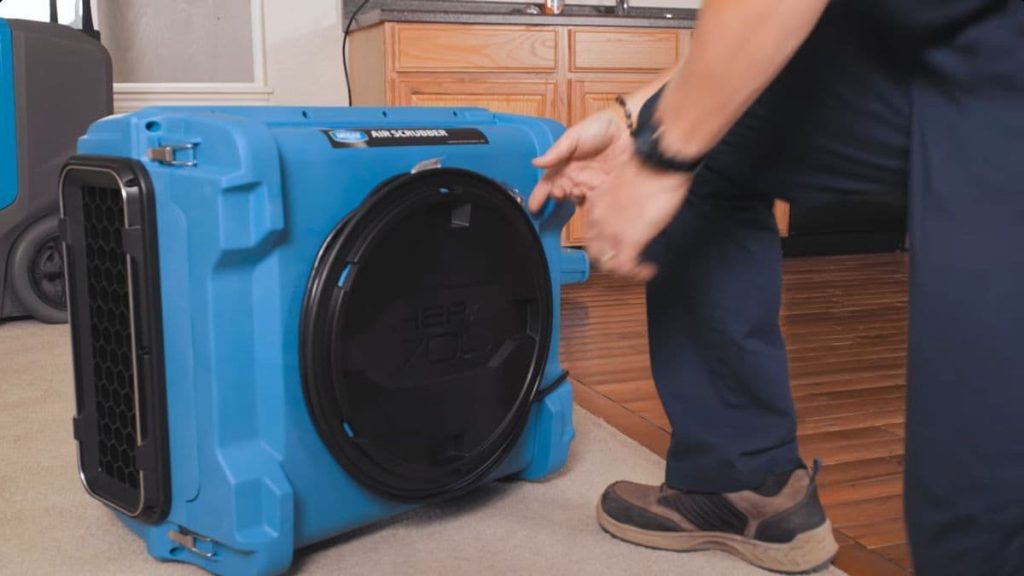
- Portable air scrubbers – Standalone units you can move from room to room
- Industrial air scrubbers – Heavy-duty units for construction sites or large spaces
Each type has different air scrubber safety considerations. For example, portable units need stable placement, while HVAC-integrated systems require professional installation to ensure air scrubber safety.
Benefits of Using Air Scrubbers
When used safely, air scrubbers offer many benefits:
- Remove up to 99.9% of airborne contaminants
- Reduce odors from cooking, pets, and smoke
- Help reduce allergy and asthma symptoms
- Kill harmful bacteria and viruses
- Extend the life of your HVAC system by keeping it cleaner
Understanding how air scrubbers work helps you use them safely. Proper air scrubber safety practices ensure you get all these benefits without any risks.
Important Safety Features of Modern Air Scrubbers
Today’s air scrubbers come with many built-in safety features. These features help prevent accidents and ensure the device works properly. When shopping for an air scrubber, look for these important safety elements.
Automatic Shut-Off Features
Good air scrubbers include automatic shut-off systems. These turn the unit off if it gets too hot or if something blocks the airflow. This prevents fires and damage to the machine. Some models also shut off if they tip over, which is an important air scrubber safety feature for homes with kids or pets.
Child-Safe Design Elements
If you have children, look for air scrubbers with child-safe designs. These might include:
- Button locks that prevent kids from changing settings
- Covered UV light components to prevent exposure
- Secure filter compartments that can’t be easily opened
- Rounded edges and stable bases to prevent tipping
These features are crucial for air scrubber safety in family homes.
Electrical Safety Certifications
Never buy an air scrubber without proper safety certifications. Look for labels like UL (Underwriters Laboratories), ETL, or CSA. These show the device has been tested for electrical safety. Uncertified units might pose fire risks or other hazards.
Filter Replacement Indicators
Many modern air scrubbers have lights or alerts that tell you when to change filters. This is more than just a convenience feature—it’s important for air scrubber safety. Dirty filters make the unit work harder, which can cause overheating or reduced effectiveness.
Air Scrubber Installation Safety Guidelines
Proper installation is crucial for air scrubber safety. Even the best air scrubber can cause problems if installed incorrectly. Follow these guidelines to ensure safe installation.
Professional vs. DIY Installation
For HVAC-integrated air scrubbers, professional installation is strongly recommended. These systems connect to your home’s electrical system and ductwork. Improper installation can lead to:
- Electrical hazards
- Reduced effectiveness
- Damage to your HVAC system
- Voided warranties
Portable air scrubbers are simpler to set up, but you should still read all instructions carefully. Air scrubber safety begins with proper setup.
Placement Considerations for Maximum Safety
Where you put your air scrubber matters a lot for safety:
- Keep at least 12 inches of clearance around the unit for proper airflow
- Place on flat, stable surfaces to prevent tipping
- Keep away from water sources like sinks or bathtubs
- Don’t block vents with furniture, curtains, or other items
- Keep away from heat sources like radiators or direct sunlight
Following these placement rules is essential for air scrubber safety and effectiveness.
Electrical Safety During Installation
Electrical safety is a critical aspect of air scrubber installation:
- Always turn off power at the breaker before installing HVAC-integrated units
- Use grounded outlets for portable units
- Avoid using extension cords when possible
- If you must use an extension cord, choose one rated for the power requirements
- Never modify the plug or remove the grounding pin
These electrical safety practices help prevent shocks and fires, which are serious air scrubber safety concerns.
Maintenance Tips for Safe Air Scrubber Operation
Regular maintenance is key to air scrubber safety. A well-maintained unit works better and lasts longer. Follow these tips to keep your air scrubber running safely.
Filter Replacement Schedules
Dirty filters are one of the biggest air scrubber safety issues. They can cause:
- Overheating of the unit
- Reduced air cleaning effectiveness
- Strain on motors and fans
- Growth of mold or bacteria in the unit
Most manufacturers recommend changing filters every 3-6 months. However, homes with pets, smokers, or high dust levels may need more frequent changes. Always follow the schedule in your owner’s manual for optimal air scrubber safety.
Cleaning Procedures for Different Components
Beyond filter changes, regular cleaning helps maintain air scrubber safety:
- Exterior surfaces: Wipe down with a damp cloth weekly to prevent dust buildup
- Air intake grills: Vacuum gently with a brush attachment monthly
- Fan blades: Clean according to manufacturer instructions (usually every 3-6 months)
- UV lamp: If your unit has one, wipe carefully with alcohol when changing filters
Always unplug portable units before cleaning. For HVAC-integrated systems, turn off power at the breaker first.
When to Call a Professional
Some air scrubber safety issues require professional help. Call a technician if you notice:
- Unusual noises or vibrations
- Burning smells
- Visible damage to electrical components
- Water leakage or condensation inside the unit
- The unit repeatedly shuts off unexpectedly
Trying to fix these problems yourself could compromise air scrubber safety and void your warranty.
Health Considerations When Using Air Scrubbers
While air scrubbers improve air quality, there are some health considerations to keep in mind. Understanding these helps ensure air scrubber safety for everyone in your home.
UV Light Exposure Risks
Many air scrubbers use UV-C light to kill germs. This light is powerful and can harm skin and eyes. Good air scrubber safety design keeps this light contained inside the unit. However:
- Never operate a unit with a damaged cover
- Don’t look directly at UV light components
- Keep children from playing with or opening the unit
- Turn off and unplug before changing filters or cleaning
Proper air scrubber safety features should prevent UV exposure, but always be careful.
Ozone Production Concerns
Some older air scrubbers produce ozone as a byproduct. Ozone can irritate lungs and worsen asthma or other breathing problems. For better air scrubber safety:
- Choose models that are certified ozone-free
- Look for CARB (California Air Resources Board) compliance
- Avoid any product marketed as an “ozone generator”
Modern air scrubbers should produce little to no ozone, making them safer for everyone.
Special Considerations for People with Respiratory Conditions
If you or family members have asthma, COPD, or other breathing issues, air scrubber safety is especially important:
- Choose HEPA-certified air scrubbers when possible
- Avoid models with strong fragrances or chemical treatments
- Start with the unit on low settings and gradually increase
- Monitor symptoms when first using the air scrubber
- Consult your doctor if you have concerns about air scrubber safety with your condition
The right air scrubber can help respiratory conditions, but the wrong one might make them worse.
Troubleshooting Common Air Scrubber Safety Issues
Even with proper care, you might encounter air scrubber safety problems. Here’s how to handle common issues safely.
Addressing Unusual Noises or Smells
Strange noises or smells often signal air scrubber safety concerns:
- Rattling or vibrating: Check for loose parts or improper placement
- Grinding noises: Turn off immediately—this could indicate fan problems
- Burning smell: Unplug right away and check for overheating
- Musty odors: Clean or replace filters, as mold might be growing
Never ignore these warning signs, as they could indicate serious air scrubber safety issues.
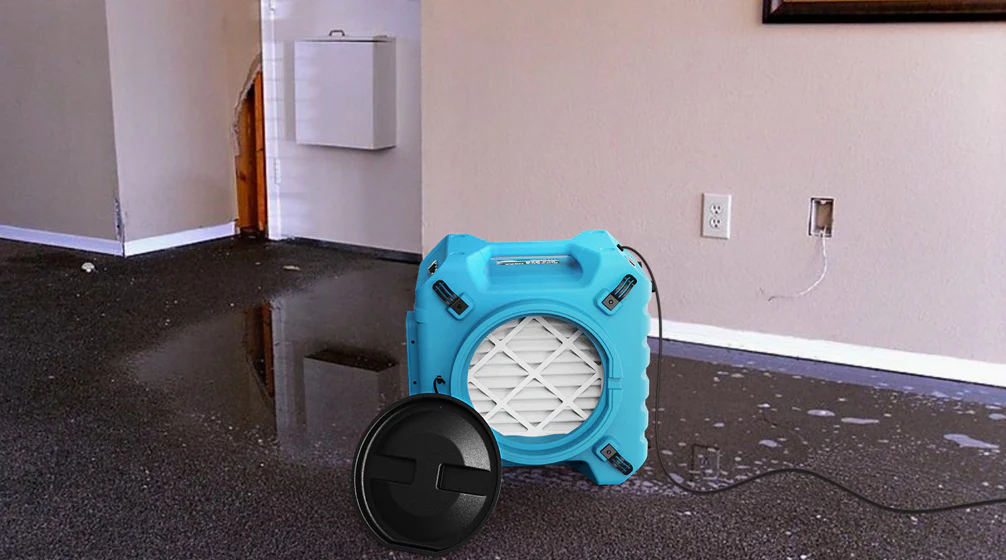
Handling Water Damage or Electrical Issues
If your air scrubber gets wet or shows electrical problems:
- Immediately unplug the unit or turn off power at the breaker
- Do not touch the unit if you suspect electrical issues
- Allow wet units to dry completely before attempting to use again
- Have a professional inspect any unit that has had water damage
- Replace, don’t repair, units with damaged power cords
Water and electricity don’t mix, making this a critical air scrubber safety concern.
When to Replace Rather Than Repair
Sometimes replacement is safer than repair. Consider replacing your air scrubber if:
- It’s more than 5-7 years old and having problems
- Repair costs exceed 50% of replacement cost
- It has suffered major water or electrical damage
- It lacks modern air scrubber safety features
- It produces ozone or has damaged UV components
Newer models often have better air scrubber safety features and energy efficiency.
Frequently Asked Questions About Air Scrubber Safety
Are air scrubbers safe to run 24/7?
Yes, most modern air scrubbers are designed for continuous operation. However, for optimal air scrubber safety, make sure your model is rated for 24/7 use. Check the owner’s manual to confirm. Even with continuous-use models, giving the unit occasional breaks can extend its lifespan.
Can air scrubbers cause headaches or other health issues?
Air scrubbers shouldn’t cause headaches or irritation when properly maintained, but dirty filters or certain chemicals can be triggers. If symptoms continue after cleaning or repositioning the unit, consult both a doctor and an air quality expert.
How do I know if my air scrubber is working properly?
You’ll know your air scrubber is working well if the airflow is steady, your home smells cleaner, and you notice less dust on surfaces. Some units have indicators showing normal operation, and fewer allergy symptoms can also signal proper performance.
Are air scrubbers safe for pets?
Yes, air scrubbers are generally safe for pets when proper air scrubber safety guidelines are followed. Keep these Yes, air scrubbers are pet-safe when used responsibly and kept in spots pets can’t easily access or knock over. Choosing quieter models and ensuring cords are hidden can help keep both pets and the air scrubber safe from harm.
Do air scrubbers use a lot of electricity?
No, most home air scrubbers are energy-efficient and use about the same power as a computer or lamp. To keep costs low and efficiency high, choose ENERGY STAR units, clean filters often, and program your unit to run only when needed.
How often should professional maintenance be performed?
Most air scrubbers should get professional service once a year, or every six months in high-use areas. Timely maintenance keeps filters clean, ensures the unit runs safely, and helps avoid costly issues while maximizing your air quality.
Conclusion: Making Air Scrubber Safety a Priority
Air scrubber safety should be a top concern for anyone using these helpful devices. When used correctly, air scrubbers create healthier indoor environments by removing contaminants and improving air quality. By following the guidelines in this article, you can enjoy all the benefits while avoiding potential risks.
Remember to choose units with proper safety certifications, follow installation guidelines carefully, and maintain your air scrubber regularly. Pay attention to placement, electrical safety, and filter replacement schedules. If you have health concerns or notice any problems with your unit, address them promptly.
Air scrubber safety isn’t complicated, but it does require attention to detail. With proper care, your air scrubber will provide years of cleaner, healthier air for you and your family.
Ready to Improve Your Indoor Air Quality Safely?
If you’re considering adding an air scrubber to your home or have questions about air scrubber safety with your existing unit, we’re here to help. Our team of indoor air quality experts can guide you through selection, installation, and maintenance to ensure your air scrubber operates safely and effectively. Contact Advanced Plumbing, Heating, and Air today to schedule a consultation and breathe easier knowing your indoor air is clean and your air scrubber safety is assured.