
Table of Contents
When your home’s ductwork isn’t performing well, you have two main options: duct sealing vs duct replacement. Duct sealing fixes leaks in your existing ducts using special tapes or sealants. It costs less (typically $500-$1,500) and works best for newer systems with minor issues.
Duct replacement involves removing old ducts and installing new ones. It costs more ($2,000-$6,000+) but is better for severely damaged, moldy, or very old ductwork. The right choice depends on your duct condition, budget, and long-term plans for your home.
Understanding Duct Sealing vs Duct Replacement
Your home’s ductwork is like the lungs of your heating and cooling system. When these air pathways have problems, you need to decide between duct sealing vs duct replacement. Let’s break down what each option means in simple terms.
What is Duct Sealing?
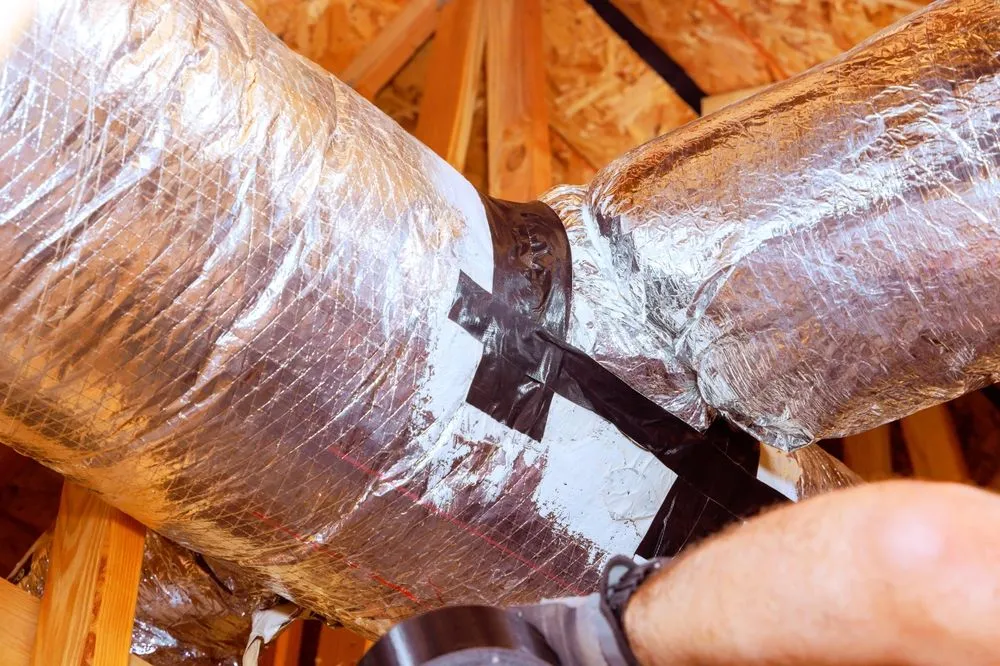
Duct sealing is fixing the leaks in your existing ductwork. Think of it like patching holes in a leaky hose. Professionals use special tapes, mastics (a type of paste), or aerosol sealants to close up gaps where air escapes.
The process usually takes 1-2 days and doesn’t require major changes to your home. Duct sealing works best when your ducts are in good shape overall but have some leaky spots.
What is Duct Replacement?
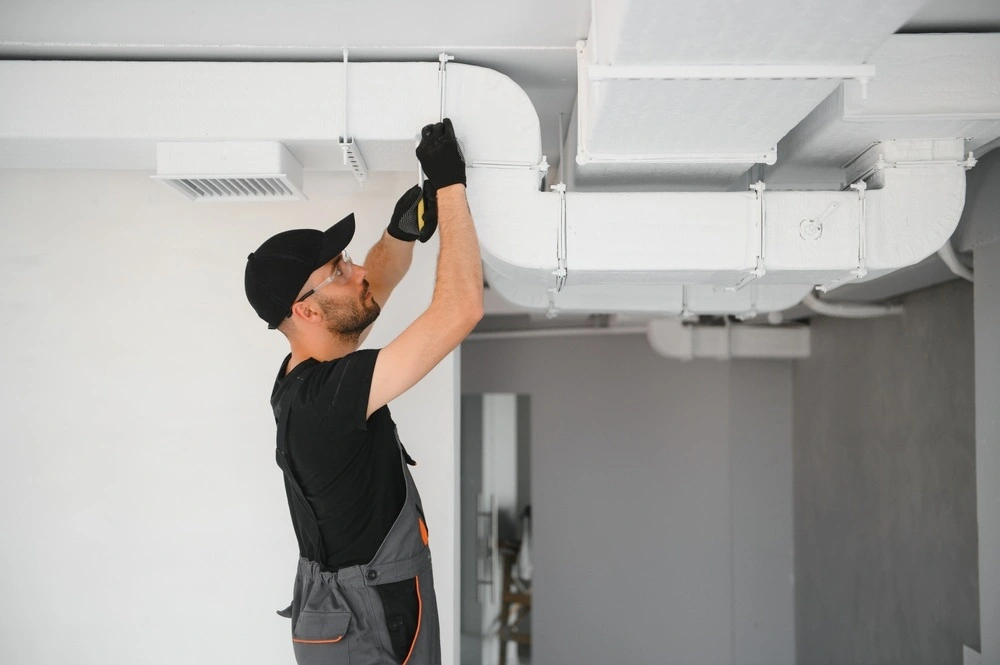
Duct replacement means taking out your old ductwork and putting in brand new ducts. This is like replacing an old garden hose instead of patching it. Professionals remove the existing ductwork and install new, properly sized ducts made from better materials.
This process takes longer (usually 2-5 days) and involves more work in your home. Duct replacement is the better choice when ducts are very old, badly damaged, or poorly designed from the start.
Key Differences Between Sealing and Replacement
The main differences in the duct sealing vs duct replacement decision come down to:
- Cost: Sealing is much cheaper than replacement
- Time: Sealing takes less time to complete
- Disruption: Replacement causes more disruption to your home
- Longevity: New ducts last longer than sealed old ones
- Performance: Replacement can improve overall system design
Signs You Need Duct Work
Before deciding between duct sealing vs duct replacement, you need to know if your ducts need work at all. Here are clear signs that your ductwork needs attention:
High Energy Bills
If your energy bills keep climbing without explanation, leaky ducts might be the culprit. The Department of Energy says that typical homes lose 20-30% of air through duct leaks. This forces your system to work harder and use more energy.
Look at your bills over time. A steady increase might mean your ducts are getting leakier. This is one of the most common reasons people consider duct sealing vs duct replacement.
Uneven Heating or Cooling
Do some rooms feel like an icebox while others feel like a sauna? Uneven temperatures throughout your home often point to duct problems. When air leaks out before reaching certain rooms, those spaces won’t get enough heating or cooling.
Walk through your home and notice temperature differences. If they’re dramatic, your ducts might need work.
Excessive Dust
Finding yourself dusting constantly? Leaky ducts can pull in dust from attics, crawl spaces, and wall cavities. This dust then blows throughout your home.
If you notice more dust than normal, especially shortly after cleaning, your ducts might be sucking in particles from dirty areas of your home.
Visible Damage to Ducts
Sometimes you can actually see duct problems. Look for:
- Disconnected sections
- Visible holes or tears
- Crushed or kinked flexible ducts
- Rust or corrosion
- Mold growth
If you spot these issues, you’ll definitely need to choose between duct sealing vs duct replacement.
Benefits of Duct Sealing
When weighing duct sealing vs duct replacement, sealing offers several advantages that make it appealing for many homeowners.
Cost-Effective Solution
Duct sealing costs significantly less than replacement. Most homeowners spend between $500-$1,500 for professional duct sealing. This makes it a budget-friendly option when your ducts are basically sound but leaky.
The return on investment can be impressive too. The EPA’s Energy Star program estimates that sealing leaky ducts can improve HVAC efficiency by up to 20%. This means you could recover your costs through energy savings within a few years.
Improved Indoor Air Quality
Leaky ducts can pull in pollutants from crawl spaces, attics, and between walls. These contaminants then circulate throughout your home. By sealing these leaks, you prevent these unwanted particles from entering your living space.
Many families notice fewer allergy symptoms after duct sealing. This happens because less dust, pollen, and other allergens get pulled into the system. For homes with asthma sufferers, this benefit of duct sealing vs duct replacement can be particularly valuable.
Energy Efficiency Gains
Sealed ducts deliver more of your heated or cooled air where it belongs – in your living spaces. This means your system doesn’t have to work as hard to maintain comfortable temperatures.
The energy savings are real. According to the Department of Energy, sealing leaky ducts can improve heating and cooling system efficiency by up to 20%. This translates to lower utility bills month after month.
Quick Implementation
Another advantage in the duct sealing vs duct replacement comparison is time. Duct sealing typically takes just 1-2 days to complete. The process causes minimal disruption to your home and daily routine.
Professional duct sealing also doesn’t require removing drywall or making other structural changes in most cases. This means less mess and hassle for you.
When to Choose Duct Replacement
Sometimes duct sealing isn’t enough. Here’s when replacement makes more sense in the duct sealing vs duct replacement decision.
Severely Damaged Ductwork
When ducts have extensive damage, sealing becomes like putting bandages on a broken arm. If your ducts have large holes, multiple disconnected sections, or severe crushing, replacement is usually the better option.
Animal infestations can also cause irreparable damage. Rodents and other pests sometimes nest in ducts and chew through materials. In these cases, the duct sealing vs duct replacement question leans heavily toward replacement.
Presence of Mold or Asbestos
Some problems can’t be fixed with sealing. If your ducts contain mold growth, especially black mold, replacement is typically necessary for health reasons. Mold spores can continue to circulate even after cleaning attempts.
Older homes might have asbestos-containing materials in their ductwork. If asbestos is present, professional removal and replacement is the safest approach. Never try to seal ducts containing asbestos, as disturbing these materials releases dangerous fibers.
Improper Duct Sizing
Sometimes the original duct installation wasn’t done correctly. Ducts that are too small for your system create airflow problems that sealing can’t fix. If your ducts make whistling noises or your system seems to struggle, improper sizing might be the issue.
In the duct sealing vs duct replacement debate, only replacement can solve sizing problems. New, properly sized ducts will allow your system to operate at peak efficiency.
Age of Existing Ductwork
Ductwork doesn’t last forever. Most systems have a lifespan of 20-25 years. If your ducts are approaching or beyond this age, replacement often makes more sense than sealing.
Older ducts may have multiple issues beyond visible leaks. Materials deteriorate over time, and older design standards may not meet today’s efficiency expectations. When considering duct sealing vs duct replacement for older systems, replacement typically offers better long-term value.
Cost Comparison: Sealing vs Replacement
Money matters when deciding between duct sealing vs duct replacement. Let’s look at what you can expect to pay for each option.
Duct Sealing Costs
Professional duct sealing typically costs between $500 and $1,500 for an average home. The exact price depends on:
- Home size
- Duct accessibility
- Sealing method used
- Amount of leakage
Aerosol sealing (a newer method) costs more than traditional mastic sealing but reaches leaks in hard-to-access areas. Most homeowners recoup these costs through energy savings within 2-4 years.
Duct Replacement Costs
Duct replacement costs significantly more, typically ranging from $2,000 to $6,000 or more. Factors affecting the price include:
- Home size
- Duct material chosen
- Accessibility issues
- Local labor rates
- Whether design changes are needed
While this represents a bigger investment in the duct sealing vs duct replacement decision, replacement provides a fresh start with a system that should last 20+ years.
Return on Investment Considerations
When comparing duct sealing vs duct replacement, consider the long-term value:
Duct Sealing ROI:
- Lower upfront cost
- Energy savings of 10-20%
- Typically pays for itself in 2-4 years
- Extends existing duct life by 5-10 years
Duct Replacement ROI:
- Higher upfront cost
- Energy savings of 20-30% (with proper design)
- Typically pays for itself in 5-8 years
- New system lasts 20-25 years
- May increase home value
If you plan to stay in your home for many years, replacement might offer better lifetime value despite the higher initial cost.
DIY vs Professional Services
Can you handle duct work yourself? Let’s examine DIY options in the duct sealing vs duct replacement comparison.
DIY Duct Sealing Possibilities
Some minor duct sealing can be done by homeowners. You can:
- Seal accessible duct connections with mastic sealant
- Use UL-listed metal tape (not duct tape) on visible seams
- Insulate exposed ducts in unconditioned spaces
However, DIY sealing has limitations. You can only reach visible, accessible ducts – typically just 20% of the system. Most leaks occur in hidden areas that professionals can better access.
Professional Duct Services
Professional services offer significant advantages in the duct sealing vs duct replacement decision:
For Sealing:
- Access to aerosol sealing technology that reaches hidden leaks
- Proper testing to measure leakage before and after
- Knowledge of building codes and safety requirements
- Ability to identify other system issues
For Replacement:
- Proper system design and sizing calculations
- Knowledge of optimal materials for your climate
- Professional installation that meets code requirements
- Warranties on materials and workmanship
Finding Qualified Contractors
When seeking help with duct sealing vs duct replacement, look for:
- NATE-certified technicians
- Contractors with specific ductwork experience
- Companies that perform before and after testing
- Businesses with good online reviews and references
- Contractors who provide detailed written estimates
Get at least three quotes for either service. The cheapest option isn’t always best – look for value, experience, and quality guarantees.
Frequently Asked Questions About Duct Sealing vs Duct Replacement
How long does duct sealing last?
Professional duct sealing typically lasts 5-10 years, depending on the method used and your home’s conditions. Aerosol sealing generally lasts longer than mastic or tape methods. Factors that affect longevity include house settling, temperature fluctuations, and duct material quality.
Can I live in my home during duct replacement?
Yes, you can usually stay in your home during duct replacement. The process creates some noise and disruption, but contractors typically work in sections to minimize impact. Your HVAC system will be unusable during work hours, so plan accordingly, especially in extreme weather.
Will duct sealing fix all my airflow problems?
Duct sealing fixes leakage issues but won’t solve problems caused by poor design, improper sizing, or damaged components. If your airflow problems stem from leaks, sealing can help significantly. However, if your ducts are too small or poorly designed, you might need replacement for complete resolution.
How do I know if my ducts are leaking?
Signs of leaky ducts include high energy bills, rooms that are hard to heat or cool, excessive dust, and visible damage to accessible ductwork. Professional contractors can perform a duct leakage test to measure exactly how much air is escaping. This test helps inform the duct sealing vs duct replacement decision.
Can duct sealing improve indoor air quality?
Yes, duct sealing can significantly improve indoor air quality. Leaky ducts can pull in dust, allergens, and pollutants from attics, crawl spaces, and wall cavities. Sealing these leaks prevents these contaminants from entering your living space. Many homeowners notice less dust and fewer allergy symptoms after duct sealing.
Is duct replacement covered by home insurance?
Standard home insurance typically doesn’t cover duct replacement due to age or normal wear. However, if your ducts were damaged by a covered event like a fire or fallen tree, insurance might pay for replacement. Check your specific policy and talk to your insurance agent about coverage details.
Making Your Decision: Duct Sealing vs Duct Replacement
Choosing between duct sealing vs duct replacement doesn’t have to be overwhelming. Consider these factors to make your decision:
Choose duct sealing if:
- Your ducts are less than 15 years old
- Damage is limited to small leaks and disconnections
- You’re on a tight budget
- You want a quick solution with minimal disruption
- Your system otherwise performs adequately
Choose duct replacement if:
- Your ducts are over 15-20 years old
- There’s extensive damage, mold, or asbestos
- You’re planning to stay in your home long-term
- You’re already renovating other parts of your home
- Your current system has design or sizing flaws
The best approach is to have a professional assessment. A qualified HVAC contractor can evaluate your specific situation and provide recommendations based on testing and inspection.
Remember that duct sealing vs duct replacement isn’t always an either/or choice. Some homes benefit from a hybrid approach – replacing severely damaged sections while sealing the rest. This can provide a cost-effective middle ground.
Whatever you decide, addressing duct issues will improve your home’s comfort, efficiency, and air quality for years to come.
Ready to Improve Your Home’s Ductwork?
Don’t let leaky or damaged ducts continue to waste energy and compromise your comfort. Whether you need duct sealing vs duct replacement, taking action now will lead to a more comfortable, efficient home.
Contact Advanced Plumbing, Heating, and Air today for a thorough duct inspection and personalized recommendation. We’ll help you understand your options and make the best choice for your home and budget. Call us now to schedule your duct assessment and take the first step toward better indoor air quality and lower energy bills!