
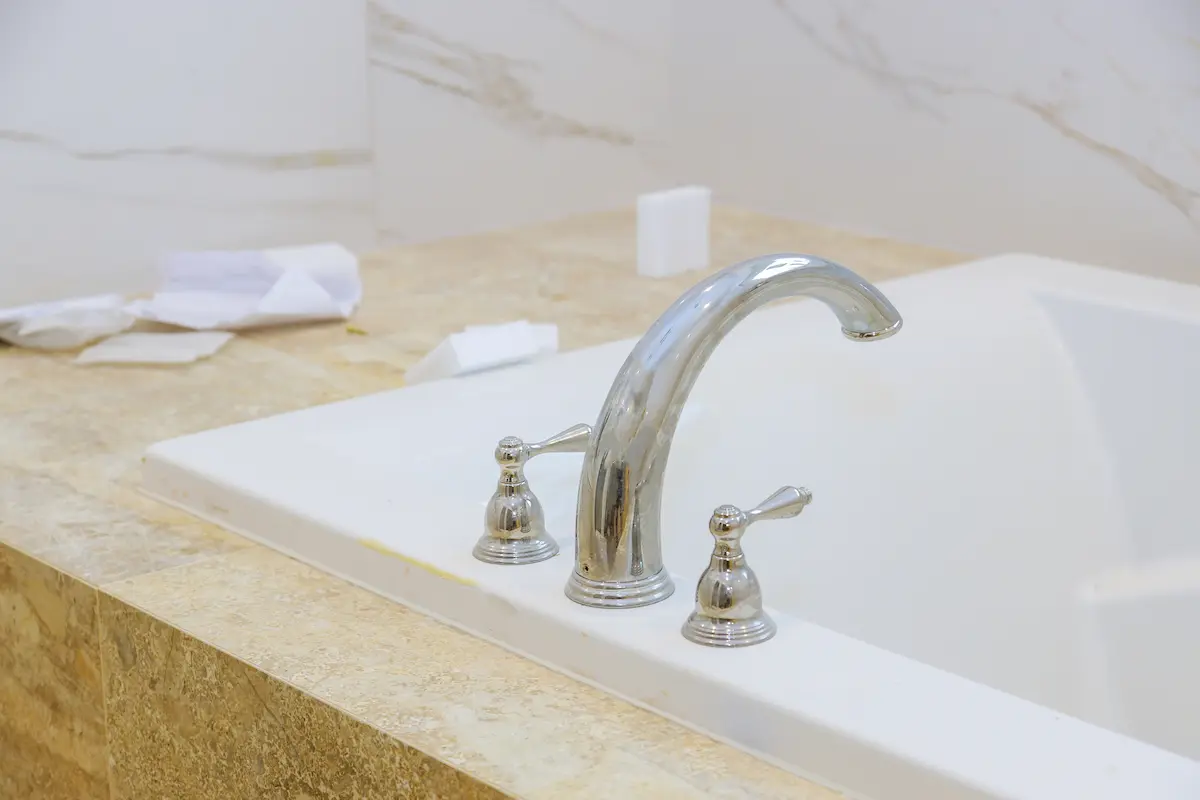
Bathroom sink water comes from the same main supply as your kitchen tap, so it usually is the same water. What changes it is everything in between: pipe material, how often the faucet runs, and whether a filter sits on the line. In most homes, the cold tap is fine to drink.
Key Points
- Both sinks draw from the same main water supply, so the water starts out identical.
- Pipe material is the biggest variable. Homes built before the 1970s may still have lead piping.
- Rarely used bathroom faucets can harbor bacteria, which regular flushing clears.
- Never drink hot water from any tap. Hot water sits in the tank and can grow bacteria.
- Four checks settle it: test, flush, upgrade old pipes, and filter.
Our licensed plumbers (California contractor license #846530) test water and replace old supply lines, and more than 1,400 five-star reviews back that work. If you are unsure what is in your pipes, we will tell you straight instead of selling you a filter you do not need.
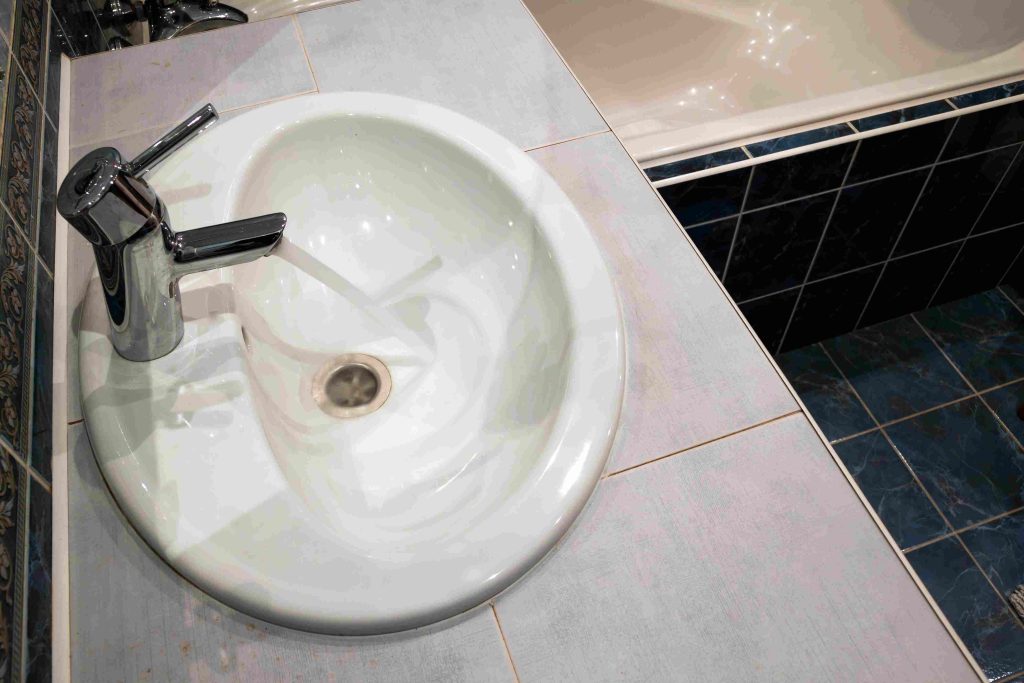
Is Bathroom Sink Water the Same as Kitchen Sink Water?
Bathroom sink water is usually identical, with caveats. Both sinks draw from the same main water supply, so the water starts off identical. Things can change on the way to the faucet.
Does Pipe Material Change Bathroom Sink Water Quality?
It can. Older homes, especially those built before the 1970s, might have lead piping. Lead can leach from those pipes into the water, which poses real health risks.
Even without lead, different pipe materials affect taste and odor. If your bathroom runs on galvanized steel and your kitchen runs on copper, the bathroom tap may taste metallic. That does not automatically mean the water is unsafe, but it is unpleasant.
Old or mismatched supply lines are the case where home repiping fixes the problem at the source rather than filtering around it.
Can Bacteria Grow in a Bathroom Faucet?
Yes, and low use is the reason bathroom sink water goes stale. Bathrooms are humid, and humidity encourages bacterial growth in pipes. Guest bathroom sinks that sit unused for weeks are the usual example.
Flushing bathroom faucets regularly clears out lingering bacteria and the stale smell that comes with it. Good ventilation in the room helps by keeping humidity down.
One study found that while water quality is generally the same, bathroom sinks can carry more bacterial risk. Aerosolized droplets from flushing the toilet settle on nearby surfaces, including the sink and the tap itself.
Do You Need a Filter on the Bathroom Tap?
Only if bathroom sink water is a regular drinking source for you. Most homes install water filters at the kitchen sink, which improves taste and cuts sediment.
Adding one at the bathroom tap makes sense if that faucet is a drinking source rather than just a handwashing station.
If your home has had lead pipes replaced and now runs copper or PEX, drinking from the bathroom tap is not a concern. A water quality testing visit confirms what you actually have instead of leaving you guessing.
Why Should You Never Drink Hot Tap Water?
Hot water sits in the water heater, and standing warm water is a good environment for bacteria. That applies to every tap in the house, kitchen included.
Cold water is safer because it flows more directly from the main supply rather than sitting in a tank.
So Can You Drink From Your Bathroom Tap?
In most homes, bathroom sink water is safe to drink. If you have specific health concerns, ask your doctor rather than guessing.
Local water treatment, pipe material, and how often the faucet runs all shape the answer. If you live in an older home and do not know what your supply lines are made of, get the water tested. It is a small cost for a definite answer.
Bathroom sink water and kitchen water share the same origin. Whether it reaches your glass unchanged depends on the plumbing in between.
How Do You Keep Water Quality High Throughout the House?
Four checks cover it, and none of them are complicated.
The 4 Checks
- Testing: Test your water for contaminants periodically. This surfaces hidden problems affecting every tap in the house, not just one.
- Flushing: Run both cold and hot lines regularly to prevent stagnation. This matters most for faucets that sit unused for stretches. Address leaks and dripping fixtures promptly with plumbing repair so standing water is not sitting in the line.
- Pipe upgrades: Replace old lead or corroded pipes with copper or PEX. This eliminates lead exposure and improves quality everywhere at once.
- Filters: Install a filter on the sinks you actually drink from. Filters remove bacteria, viruses, and sediment.
In hard water areas, a water softener adds a final treatment step for the whole house, which improves quality at every source.
Regular plumbing inspection catches corroding supply lines before they affect what comes out of the tap.
Frequently Asked Questions About Bathroom Sink Water
Is bathroom sink water safe to drink?
In most homes, yes. Both taps draw from the same main supply, so the water is the same until pipe material or a stagnant line changes it. If your home has had lead pipes replaced and runs copper or PEX, drinking the cold bathroom tap is not a concern.
Why does my bathroom sink water taste different from the kitchen?
Different pipe materials are the usual reason. Galvanized steel lines can leave a metallic taste that copper lines do not. A faucet that goes unused for long stretches also tastes stale until you let it run.
How do I know if my home has lead pipes?
Homes built before the 1970s are the ones to check. A water test will confirm whether lead is present, and a plumber can identify your supply line material by inspecting it directly. Guessing based on the age of the house alone is not enough.
Should I flush a bathroom faucet before drinking from it?
Yes, if it has not run in a while. Let the cold water run until it feels cold to the touch. That clears water that has been sitting in the line and any bacteria that came with it.
Does a whole-house filter cover the bathroom taps?
Yes. A whole-house system treats water where it enters the home, so every tap benefits. Point-of-use filters only treat the single faucet they are installed on.
Know What Is Coming Out of Your Taps
Bathroom sink water starts out the same as the water reaching your kitchen. Pipe material, usage patterns, and filtration decide whether it stays that way.
If your home is older or the water tastes off, testing gives you a real answer in one visit rather than a guess.
Want to know exactly what is in your water? Schedule your appointment today or call our team at (707) 446-1800.